In brief
Mykhailo Fedorov, dismissed last month, released a YouTube video demanding that Ukraine restore a democratic vote even while under Russian bombardment. The call has inflamed national protests and has not yet drawn a response from President Volodymyr Zelensky. Fedorov’s argument centers on a “systemic crisis of governance” and criticises corruption that he claims hampers the war effort. Analysts warn that holding elections in wartime would be logistically difficult and could undermine the country’s unity, while supporters argue it is a necessary step towards a republican future. The clash underscores the fragile political situation in a nation still fighting a full‑scale invasion.
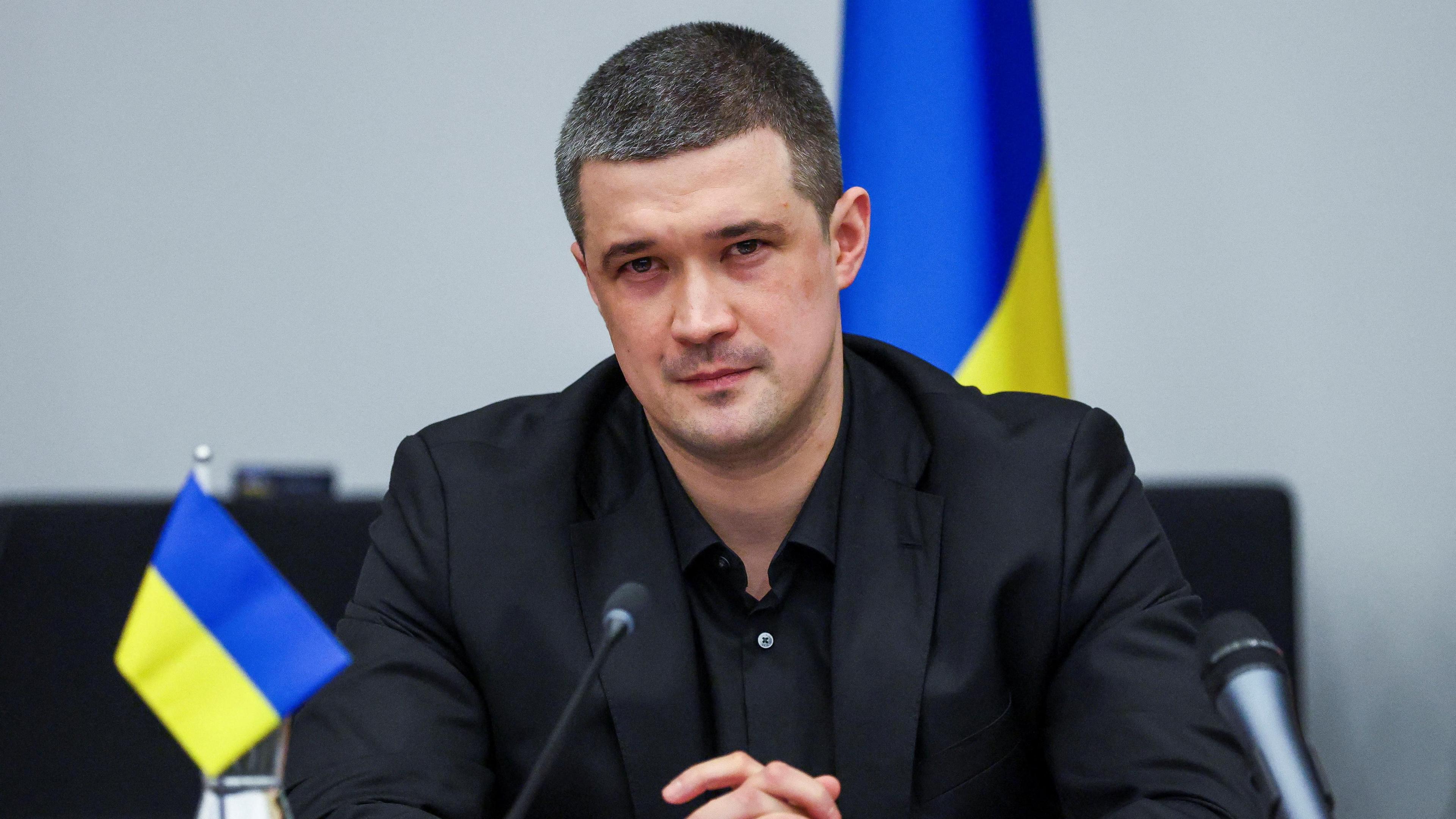
Mykhailo Fedorov, who was removed as Ukraine’s defence minister in July, addressed the nation on YouTube with a plea to hold elections against the backdrop of the ongoing war.
He warned that “democracy cannot be held hostage by Russia” and urged the country to find a “legal, safe and realistic mechanism” for a vote, even as the nation remains under martial law and everyday life is disrupted by missile strikes.
Fedorov’s remarks have sparked a surge of street protests, with thousands of Ukrainians gathering outside the Parliament, chanting slogans demanding his return to the ministry and a national election. The protests, which have taken place weekly, reflect a younger generation’s frustration with a government they feel prioritises loyalty over competence.
In his video, the 35‑year‑old criticised corruption that, he claimed, deprives the military of weapons and equipment, and called for a “systemic crisis of governance” that forces a confrontation with the political system.
Despite his insistence that “it is not about politics”, Fedorov’s appeal has taken on deeper implications, directly challenging President Volodymyr Zelensky, whose five‑year term ended in May last year and who has faced pressure from both Washington and Moscow to consider a fresh mandate.
He has yet to respond to the video, while Zelensky addressed the video in a later personal message, outlining the responsibilities of the new defence minister Yevhenii Khmara and reaffirming the country’s focus on defending against aerial attacks and expanding deep‑strike capabilities.
Ukrainian officials have warned that organising a national election would be near impossible due to the war: logistical hurdles include the displacement of millions of civilians, restrictions on voting for soldiers on the front line, and the potential for Russian interference.
Political analysts in Kyiv argue that “an election during wartime would weaken the country’s unity and resilience” and would be “playing into the hands of Putin” rather than providing genuine democratic legitimacy.
Opposition voices differ: some, tired of the current government structure, see an election as a path to reset and to bring in new leadership, while others align with the defence minister’s critics and prefer focusing on the war effort.
Fedorov’s track record as defence minister—where he modernised the army, launched cyber‑attacks, and introduced the Army of Drones programme—has earned him a reputation as a digital innovator who transforms the war through technology.
As the war continues, the debate over whether Ukraine can mount a fair, safe election under siege remains unresolved, leaving the nation’s political future in limbo.