In brief
Satellite images show Russian naval ships temporarily leaving the Tartous base in Syria, prompting speculation about Moscow's military intentions. While some vessels are on standby offshore, activities continue at the Khmeimim airbase. Concerns arise over potential attacks and discussions regarding the future of Russia's military installations in the region are ongoing.
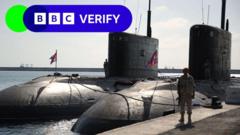
Recent developments in Syria indicate that Russian naval vessels have made a temporary exit from their primary base at Tartous, as shown by satellite imagery reviewed by BBC Verify. This movement raises questions about Moscow's military future in Syria, particularly in light of the shifting political landscape after Bashar al-Assad's regime faces instability. The images, captured by Maxar on December 10, show several ships now positioned offshore in the Mediterranean, with visible activity at the Khmeimim airbase remaining ongoing.Kremlin spokesman Dmitry Peskov confirmed that Moscow is engaging in discussions with the newly established authorities about its military footprint in Syria. He emphasized the importance of maintaining contact for security purposes, while hinting at the sensitive nature of the current situation: “Everything possible is now being done to ensure our military is taking necessary precautions."The Tartous naval facility has long been a cornerstone of Russian naval power in the region, providing essential repair and replenishment services since its establishment in the 1970s, and has been significant for Russia's operations in the Mediterranean. The recent satellite imagery highlights the presence of at least two guided missile frigates about 13 kilometers off the coast, though there is uncertainty over the whereabouts of the rest of the fleet. Analysts suggest the ships’ movements may aim to mitigate vulnerability to attacks, especially amid concerns regarding potential strikes from Syrian rebels or Israeli forces. This uncertainty leaves Russia's naval strategy in a state of limbo, as they could be awaiting further developments before deciding whether to redeploy their resources. Speculations also emerge that if forced to vacate Tartous, Russia might relocate its navy to Tobruk in Libya, an area under the control of Kremlin-aligned Field Marshal Khalifa Haftar. However, such a move could be fraught with disadvantages, particularly concerning proximity to NATO forces, which would complicate operations.At the same time, the Khmeimim airbase continues to play a critical role in Russian military activities throughout the Middle East, allowing strategic launches against various targets in support of Assad's regime. Recent reports suggest that evacuation of this airbase would entail a massive logistical operation, indicating that immediate withdrawal is not on the agenda.The current predicament of Russian forces reflects a significant challenge to Moscow's ambitions in the Middle East, as the power dynamics shift within the region. A pro-Kremlin military analyst warned of the precariousness of Russia's military influence, asserting that its position is increasingly vulnerable. As the situation evolves, the implications for Russian military strategy in Syria remain a critical concern for global observers.