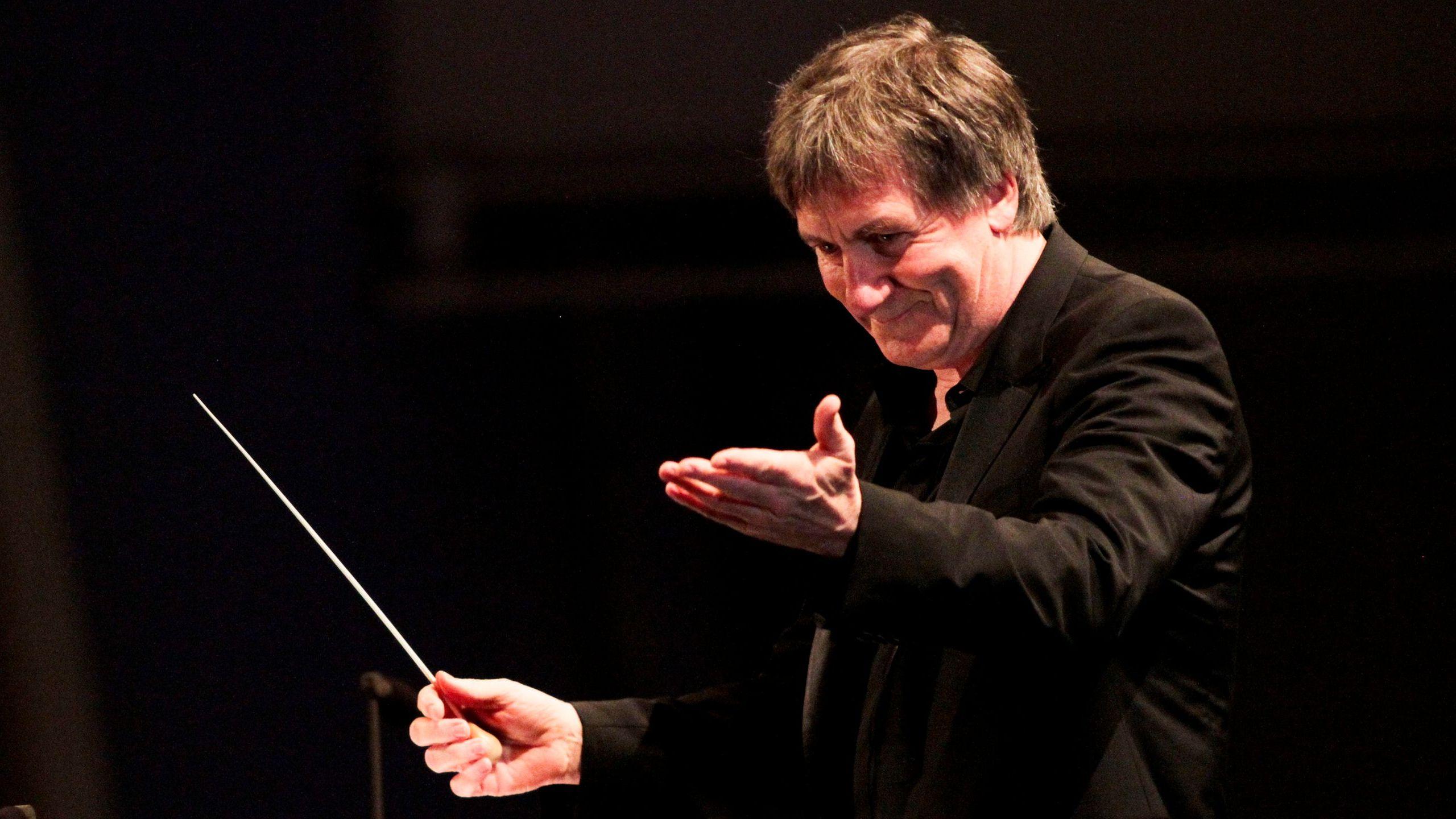
Acclaimed composer George Fenton dies aged 76
George Fenton, the prolific UK composer whose work has graced films such as Gandhi, Groundhog Day and television shows like Planet Earth, has died at the age of 76.
Fenton earned five Oscar nominations for his film scores, including the evocative music for The Remains of the Day and the politically charged Cry Freedom. The composer also received BAFTA, Emmy and Ivor Novello awards for his work on the BBC's nature programmes, including the award‑winning Blue Planet and the iconic theme for the network’s news shows.
A family statement announced: “We are very sad to announce that George Fenton passed away unexpectedly today.” They added that he is survived by his wife Amanda, ex‑wife Jane, children Gemma, Grace and Bridget, and grandchildren Lola, Audrey, Alfred, George, Frank and Beatrice, and a life of music.
Born George Howe in Bromley, Kent in 1949, Fenton was drawn to music by his parents’ own musical talents. He began with the electric guitar at seven, later studying church organ before deciding to pursue a career as a performer and composer. His path led him from a 1968 role in Alan Bennett’s Forty Years On to his first film score for Gandhi in 1983, where he collaborated with Ravi Shankar to weave Indian musical traditions into the score.
Over four decades, Fenton wrote themes for BBC News, Radio 4’s PM, the Money Programme and many popular films, including You've Got Mail and Sweet Home Alabama. He remained a central figure in Ken Loach’s films, scoring 18 collaborations such as Blind and I, Daniel Blake, the latter winning the Palme d'Or in 2016.
Beyond composing, Fenton founded the Association of Professional Composers, later integrated into The Ivors Academy, where he earned fellowship alongside luminaries like Sir Andrew Lloyd Webber and Sir Elton John. He served as a visiting professor at the Royal College of Music and the University of Nottingham and was appointed CBE in 2023 for services to music.
Fenton’s work for David Attenborough’s natural history series, especially the Earth Trilogy—Blue Planet, Planet Earth and Frozen Planet—became a global phenomenon. His music, employing sweeping orchestral arrangements, amplified the emotional resonance of breathtaking visuals from ocean depths to polar ice caps.
In interviews, he often reflected that his career was “an accident,” yet he found unparalleled joy in seeing his compositions come alive. On “Desert Island Discs,” he chose his own piece “Reunion” from Accidental Hero, noting the thrill of hearing his work performed beyond his own vision.