In brief
In Creighton, Nebraska, Rick and Jane Saint John highlight the critical role of their local hospital, especially with their child's medical needs. However, with Avera Creighton Hospital facing financial hardships, stemming from federal funding cuts and no immediate solutions in sight, many rural Americans worry about future healthcare access. Critics argue that the government's proposed $50 billion rural health fund aims more at innovation than rescuing existing hospitals.
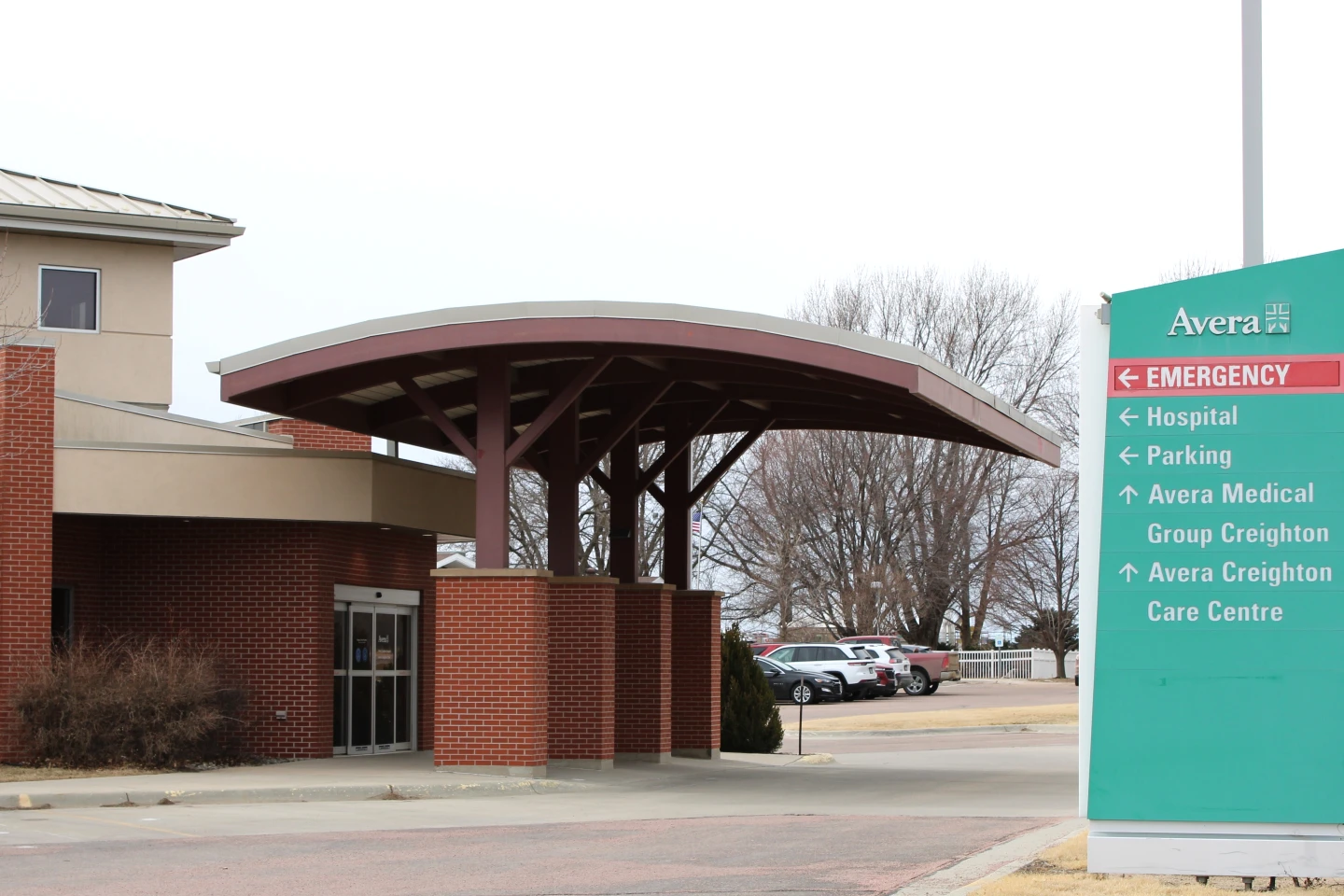
CREIGHTON, Neb. - Rick and Jane Saint John moved to Creighton for its hospital, a crucial resource for their child with nonverbal autism and epilepsy, forcing them to visit the facility up to three times a week. Jane's own life was saved by local medical staff when she suffered from bacterial pneumonia. Concerns arose when they learned that the Avera Creighton Hospital was under financial threat after recent cuts to federal Medicaid funding.
“If we had to drive an hour away to the Yankton hospital, it could have cost her her life,” Rick stated emotionally.
The hospital and many others nationwide are struggling, with hundreds facing closure due to long-standing funding issues, exacerbated by last summer’s cuts from the Trump administration. Such funding cuts affect low-income Americans, a demographic that primarily depends on Medicaid for healthcare access.
While a new $50 billion grant fund was created to support innovation in rural healthcare, critics warn it falls short of addressing immediate financial needs. Dr. Ben Young from Wellness Equity Alliance argued these funds won’t sustain struggling hospitals. It won’t pay to keep the lights on. And it won’t turn the lights back on once they’ve been turned off,” he remarked.
The $50 billion Rural Health Transformation Program was intended to foster innovative healthcare delivery rather than provide direct support to maintain existing services. Nebraska has earmarked a portion of these funds for health innovations but critics fear this won’t help keep hospitals like Avera Creighton operational.
The implications of insufficient healthcare provisions are palpable across rural areas, with many residents anxiously awaiting potential solutions as election season approaches. Republican state lawmakers have voiced concerns over the cuts and seek ways to salvage struggling hospitals amidst dwindling resources.