In brief
On 29 June, two makeshift boats carrying roughly 530 Rohingya fled Myanmar’s Rakhine state in the dead of monsoon season and have never been seen again. Experts say the vessels, built from derelict fishing trawlers, likely capsized amid rough seas, with no survivors. This incident underscores a widening exodus as refugees pressure local aid into crisis, pulled by underground smuggling networks that splinter routes through Bangladesh, Thailand, Malaysia and Indonesia. With boys, women and children caught in a desperate bid for safety, the international community struggles to provide secure passage or a humane solution to this enduring humanitarian crisis.
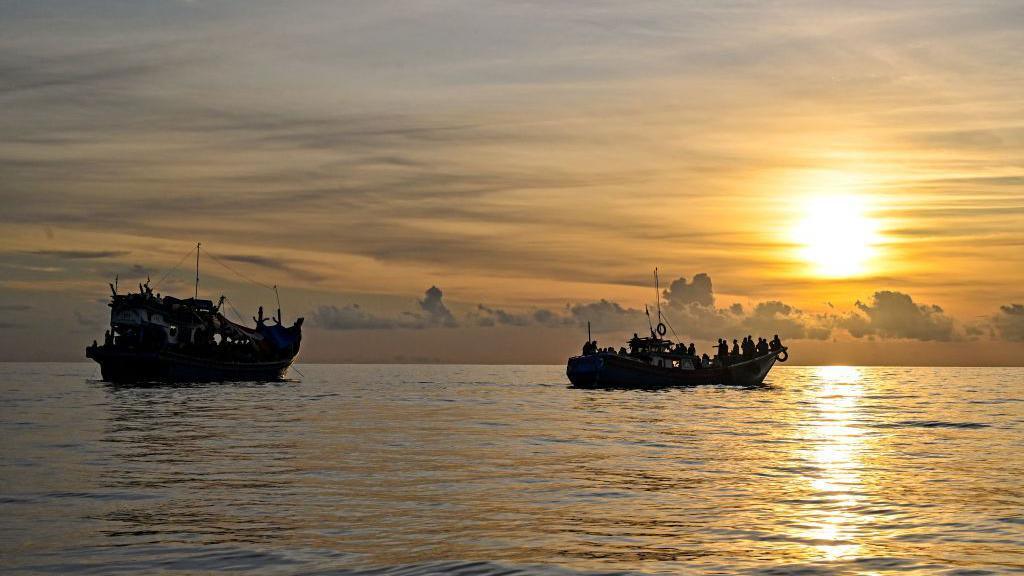
Two overcrowded boats carrying an estimated 530 Rohingya refugees left Myanmar’s Rakhine State on 29 June and have not been heard from since, leaving the international community with only speculation and grim evidence of a probable maritime disaster.
Experts believe the vessels, constructed from old fishing trawlers, were barely seaworthy in the sudden monsoon, with unreliable engines and crews untrained for weather‑tight sailing. The result was two ships that likely capsized – one several hours after departure from the Arakan Army‑controlled village of Sin Tet Maw, the other after days of struggle southeasternwards in rough seas.
The tragedy echoes the routine fate of many Rohingya fleeing the armed conflict in Rakhine. With the Myanmar military and the Arakan Army at odds, thousands are trapped in cramped camps, facing forced conscription, violent raids and severe restrictions on movement.
Smuggler networks have long exploited these conditions, packing as many people as possible onto small vessels that then ferry refugees across the Bay of Bengal and the Andaman Sea. From there, they aim for the southern coast of Myanmar, Thailand, Malaysia and occasionally the island of Aceh in Indonesia – destinations where the refugees may find a chance to reach safety.
These routes have evolved. In 2015, Thailand closed the main land corridors and demolished transit camps, forcing traffickers to pivot toward sea passages or to use Thailand as a staging ground for clandestine river crossings. In recent years, smugglers resort to satellite phones and local fishing boats to evade navy patrols off the coasts of both Myanmar and Malaysia.
A UNHCR estimate links over 4,700 Rohingyas traveling aboard 74 boats in 2026, with some activists suggesting the real number since September last year may be 10,000. A rising figure driven by unbearable living conditions, scarce aid and organised smuggling syndicates that demand $2,000‑$4,000 per person and threaten those who cannot pay.
Without any nation willing to open its borders, refugees remain trapped between desperate migration and brutal survival odds. The loss of the two boats marks another ominous chapter in the Rohingya crisis, where each day a new fleet may set out, facing the same unending risk.
For now, the world watches the sea sprawl beyond the horizon, wondering how many more souls will disappear where no rescue can reach them.