
In brief
The aftermath of the October 7 attack by Hamas has led to rising tensions within U.S. schools as antisemitic incidents surge. Educators like Josh Hirsch confront backlash for their viewpoints. Various state legislatures are pushing for heightened accountability over antisemitic behavior, yet critics argue such measures undermine free speech—all against a backdrop of a polarizing political landscape regarding the Israel-Hamas conflict.
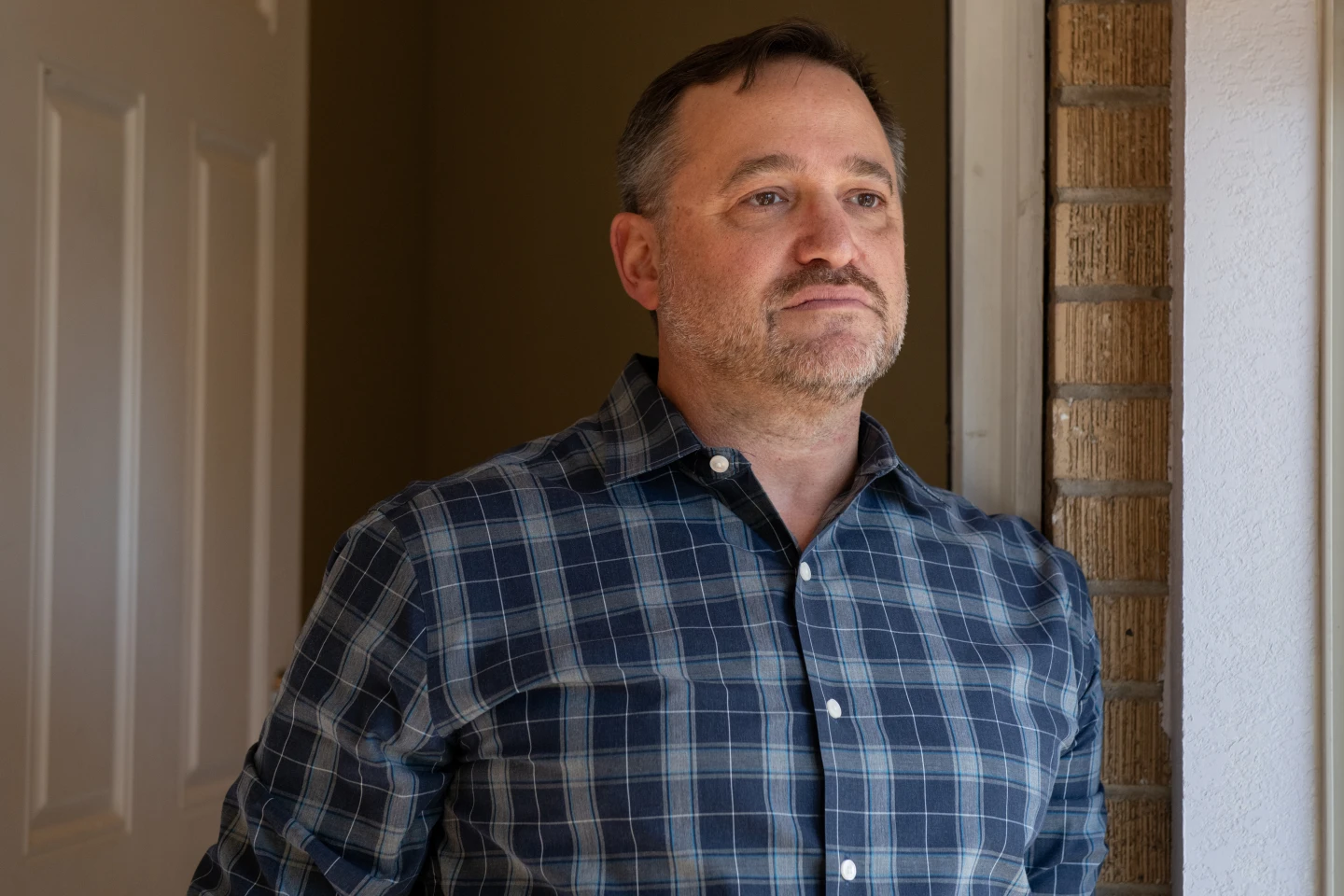
In the aftermath of the October 7 Hamas attack on Israel, tensions have escalated in U.S. schools, where high school teachers like Josh Hirsch are facing backlash for expressing pro-Israel views online. Hirsch, the only Jewish teacher in his Adams County, Colorado classroom, found himself at the center of controversy when a former student called for his firing due to his comments. This response included threatening notes appearing outside his classroom, demonstrating the rising antisemitism linked to the ongoing conflict.As antisemitic harassment rises, many educators are joining advocacy groups, such as the Anti-Defamation League's initiative aimed at fostering inclusive dialogue in schools. Tensions are further compounded by legislation in various states demanding tighter accountability regarding antisemitism in K-12 educational institutions.While some argue that these measures are crucial for protecting students, critics assert they suppress free speech, arguing that criticism of Israel is often wrongly categorized as antisemitism. Several Democratic and Republican-led states have introduced or enacted laws aiming to tackle antisemitism but have faced pushback from civil liberties groups.For example, California’s steps towards training educators on antisemitism have been met with controversy, while Arizona’s governor vetoed a different proposed bill, viewing it as an attack on educators. Nonetheless, definitions of antisemitism adopted by various states encompass certain critical views of Israel, complicating discussions around free expression in educational settings.Nationwide, the Anti-Defamation League reported hundreds of antisemitic incidents in schools last year, reflecting a concerning trend related to rising hostilities against Jewish individuals linked closely with broader political debates. As educators navigate this fraught landscape, many advocate for maintaining safe environments for free expression without resorting to hate, emphasizing the need for constructive dialogue amid adversity.

