In brief
As Australia gears up for elections, opposition leader Peter Dutton is adopting tactics reminiscent of Donald Trump, targeting "wokeness" while seeking to capitalize on the current political climate and inflation challenges.
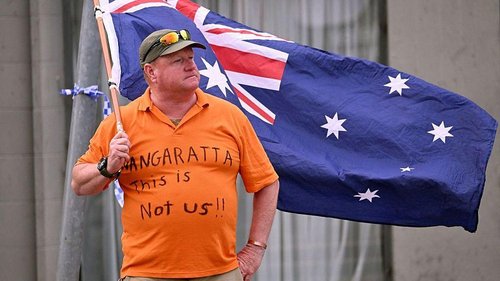
Former Prime Minister Anthony Albanese is facing mounting criticism for being preoccupied with progressive issues, while Dutton leverages this discontent to strengthen his political stance. In a parallel to American politics, Peter Dutton, the head of Australia's primary center-right political party, has embraced rhetoric similar to that of Donald Trump as he seeks to position himself as a contender against Prime Minister Anthony Albanese. With elections approaching by May 17, Dutton is criticizing Albanese for his focus on what he describes as "woke" matters, including environmental concerns and Indigenous rights, amidst rising inflation and housing costs.Recent polls indicate a decline in Albanese's approval ratings, with a staggering 57% of surveyed individuals expressing disapproval of his governance. Dutton, observing this shift, has positioned himself to resonate more with the traditional voter segments that feel marginalized by current initiatives. He has targeted several institutions, branding them as part of a "woke brigade," which includes major banks and grocery chains, accusing them of detracting from pressing economic issues.In response to public concerns, Albanese has proposed tax cuts and emphasized progress in managing inflation, which has reportedly dipped to its lowest mark in three years at 3.2 percent. However, the effectiveness of these measures remains under scrutiny as discontent grows among voters.Moreover, Dutton has taken a firm stance on Australia Day, defending it against critiques that label it as a symbol of colonial injustice. He has suggested the creation of a shadow minister role aimed at improving government efficiency, further solidifying his commitment to addressing voters' concerns about government performance.Dutton's messaging seems to be resonating, evidenced by a narrowing gap in head-to-head comparisons with Albanese. As Australia steps into this new electoral cycle, the debates around identity politics and economic management are set to be at the forefront, potentially reshaping the country's political landscape.