In brief
Nigeria’s rivers have become a graveyard for thousands of civilians, as river‑boat accidents claim a recorded 55 lives this year alone. This article explores the root causes—over‑crowding, unsafe wooden vessels, and lax enforcement of life‑jacket rules—while examining the promises of new national policies and how they are falling short. It also contrasts Nigeria’s current peril with the improved safety record in Lagos, where government‑led interventions have cut fatalities dramatically. A call to action follows, urging authorities to invest in modern craft, stringent regulation and community education before more lives are lost.
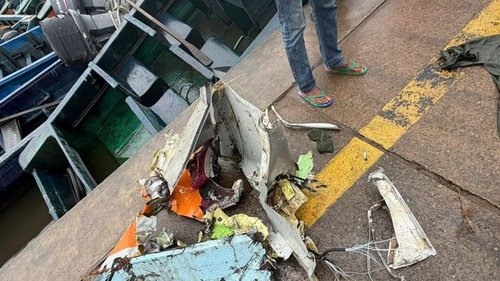
The pattern of drownings in Nigeria’s waterways is all too familiar: a wooden craft brims with passengers, capsizes, and the water claims a dozen new lives. In the past year alone, at least 55 people perished in these maritime mishaps, with dozens more bodies still unaccounted for. The new boat that toppled in Jigawa state last week carried about 40 people, many women farmers and labourers, and investigators recovered 23 survivors but 7 cargo‑filled bodies from the river.
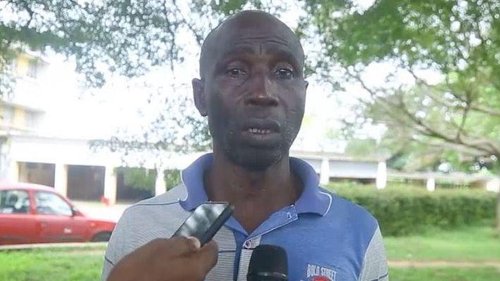
The root of these tragedies lies in a triple fault: overcrowded and unsafe wooden boats, a shortage of usable life‑jackets, and feeble enforcement of safety rules. “We want every passenger to wear a life‑jacket, but we can’t enforce it because we don’t have enough jackets,” says Mallam Sala Altine, the traditional Sarkin Ruwan Shiroro of Niger state.
That shortage is compounded by a culture of complacency: many river‑ineighbours have grown up without ever learning to swim and regard the water as a harmless, everyday transport. Schools and community rallies now teach how to fasten a jacket, but the real barrier is the fact that many operators simply can’t afford to buy new boats or a full wardrobe of jackets.
Nigeria’s National Inland Waterways Authority (Niwa) has issued a Water Transport Code in January 2023 requiring that all vessels on large bodies of water must equip all passengers with a life‑jacket. Yet, more than a year later, the authority admits that enforcement remains “hardly implemented.” In practice, operators still load dozens of passengers onto a 100‑capable boat with only a handful of jackets.
The disaster that killed 32 passengers last year in Niger state spurred Niwa to declare life‑jackets obligatory nationwide. Still, life‑jacket distribution remains patchy. Meanwhile, the sector sees a slow shift toward aluminium and fibre‑reinforced canvas ships under the direction of the Minister of Marine and Blue Economy, Adegboyega Oyetola, who says the “time has come for a decisive break from outdated practices.”
In contrast, Lagos State provides a model of efficiency. A record 92 deaths between 2018 and 2023 on Lagos’ water lanes have plummeted to just one fatality in 2024, with no deaths yet in 2025. The flat government’s four pillars—new standard boats, life‑jackets, dredging of channels, and water‑guard stations—have made the difference.
However, replicating Lagos’ success across the country is not simple. Well‑designed drifts and scheduled dredging cut rising tree trunks that have repeatedly caused capsizes. In the absence of adequate flood‑management teams and updated patrol systems, many destinations remain unsafe.
The water crisis is thus a spiral of neglect, hope and public outcry. While millions of Nigerians rely on the rivers for travel and trade, the lack of safety infrastructure and the continued use of brittle wooden boats still threaten to turn each month’s journey into a death list.
Decisive change will require sustained political commitment: exceeding the pledge of government‑supplied life‑jackets, building dedicated waterways police, upgrading the fleet from wooden to modern aluminium vessels, and fostering a cultural shift where wearing a life‑jacket becomes a norm, not a luxury. Until then, the waves will keep swallowing families, and new tragedies will repeat what already has.