In brief
Lake Kivu serves as a natural divider between peace and turmoil; while Gisenyi thrives with leisure, Goma is reeling from tragedy. Local perspectives shed light on the toll this conflict has taken, further exacerbated by Rwanda's involvement in the unrest.
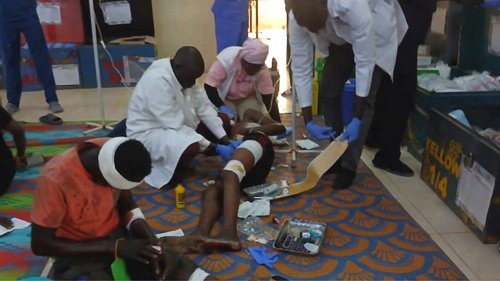
Lake Kivu, located on the border between Rwanda and the Democratic Republic of Congo, illustrates an extraordinary dichotomy. On one shore, in Gisenyi, Rwanda, the atmosphere is vibrant and tranquil, where residents and tourists alike enjoy jet-skiing, canoeing, and savoring local delicacies. Yet, merely two miles across the water lies Goma, a city besieged by conflict and tragedy. Here, recent clashes involving the M23 rebel group led to significant bloodshed, with nearly 3,000 fatalities reported during a brutal offensive in January.Exauce Shalako, a local from Goma who lost a friend in the violence, made his way to Gisenyi for a brief escape. “We need to unwind, to have a change of scene,” he stated, underscoring the desperate need for peace amidst the chaos. Despite the serene facade of Rwanda, accusations swirl around the nation: many experts, including those from the United States and United Nations, allege that Rwanda is not just an observer but an active participant in the conflict. They claim Rwandan troops have aided M23 in their offensive against the Congolese government, a claim that the Rwandan government vehemently denies.As Goma struggles with the horrors of war, Gisenyi's beach life carries on seemingly unaffected. A stroll through Gisenyi reveals colorful beachfront eateries filled with happy families, contrasting sharply with Goma's despair marked by the grim realities of death and destruction. The impasse raises questions about the lasting impact of conflict, the dynamics of regional power struggles, and the vital need for peace in a region long-suffering from strife.