During a turbulent 24 hours that began Monday, escalating tensions between Iran and Israel reached a boiling point, prompting a US-mediated ceasefire after violent exchanges and reciprocal missile strikes. Since June 13, Israel had targeted Iranian military assets, while Iran retaliated with missile launches that breached Israel's defense systems, leading to substantial military confrontations in the region.
The situation took a drastic turn when the US government issued a "shelter in place" warning to its citizens in Qatar, citing credible threats of an Iranian missile strike against the al-Udeid military base in the country. This prompted a flurry of activity, with Qatar closing its airspace and US officials scrambling to monitor the situation. Reports indicated that Iran had indeed launched missiles at the base, yet US and Qatari defenses managed to intercept them, leading to no fatalities.
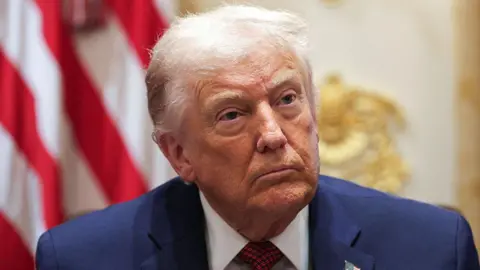
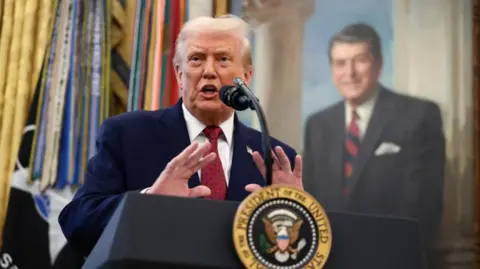
The subsequent communications from both the US and Iran indicated a desire to de-escalate tensions rather than engage in full-blown war. US President Donald Trump's tone shifted from confrontation to diplomacy as he indicated potential openness to peace, urging both sides to avoid further violence. Frantic negotiations were underway involving multiple parties, including Israel and Qatar, with reports revealing that a ceasefire agreement was nearing completion.
Despite early successes in reaching a truce, both sides continued to engage in hostilities, resulting in civilian casualties and further strikes until the ceasefire was formally declared. Trump characterized the hostilities as "the 12 Day War," stating that the ceasefire was effective immediately. The announcement, however, was soon complicated by further military actions from both Iran and Israel, highlighting the fragile nature of the agreement.
With ongoing violations reported shortly after the ceasefire was established, the situation remained tense. Trump conveyed frustration towards both leaders, calling for calm and seeking to prevent a complete breakdown of the newly founded peace efforts. His discussions with both Iran and Israel emphasized the precariousness of the truce and the need to avert a return to widespread conflict.
The situation took a drastic turn when the US government issued a "shelter in place" warning to its citizens in Qatar, citing credible threats of an Iranian missile strike against the al-Udeid military base in the country. This prompted a flurry of activity, with Qatar closing its airspace and US officials scrambling to monitor the situation. Reports indicated that Iran had indeed launched missiles at the base, yet US and Qatari defenses managed to intercept them, leading to no fatalities.
The subsequent communications from both the US and Iran indicated a desire to de-escalate tensions rather than engage in full-blown war. US President Donald Trump's tone shifted from confrontation to diplomacy as he indicated potential openness to peace, urging both sides to avoid further violence. Frantic negotiations were underway involving multiple parties, including Israel and Qatar, with reports revealing that a ceasefire agreement was nearing completion.
Despite early successes in reaching a truce, both sides continued to engage in hostilities, resulting in civilian casualties and further strikes until the ceasefire was formally declared. Trump characterized the hostilities as "the 12 Day War," stating that the ceasefire was effective immediately. The announcement, however, was soon complicated by further military actions from both Iran and Israel, highlighting the fragile nature of the agreement.
With ongoing violations reported shortly after the ceasefire was established, the situation remained tense. Trump conveyed frustration towards both leaders, calling for calm and seeking to prevent a complete breakdown of the newly founded peace efforts. His discussions with both Iran and Israel emphasized the precariousness of the truce and the need to avert a return to widespread conflict.