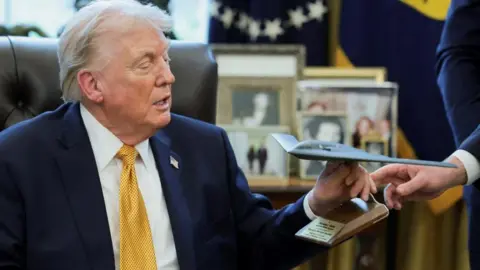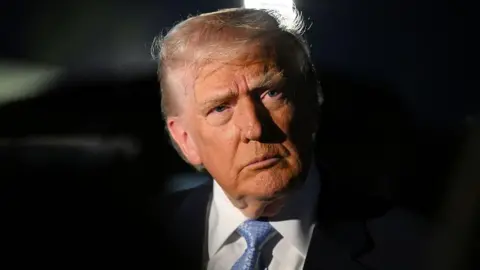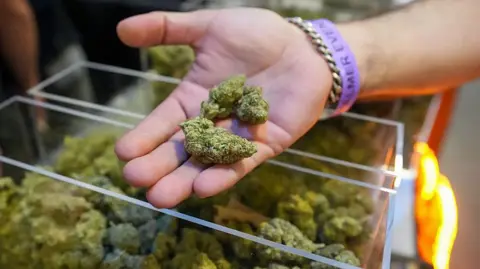
President Donald Trump is expected to sign an executive order that would expand access to cannabis, a long-anticipated move that would mark the most significant shift in U.S. drug policy in decades.
The order is expected to reclassify cannabis from a Schedule I narcotic, to a Schedule III drug - placing it under the same category as Tylenol with codeine, according to reports.
Although cannabis will remain illegal at the federal level, classifying it as a Schedule III narcotic could enable expanded research into its potential benefits.
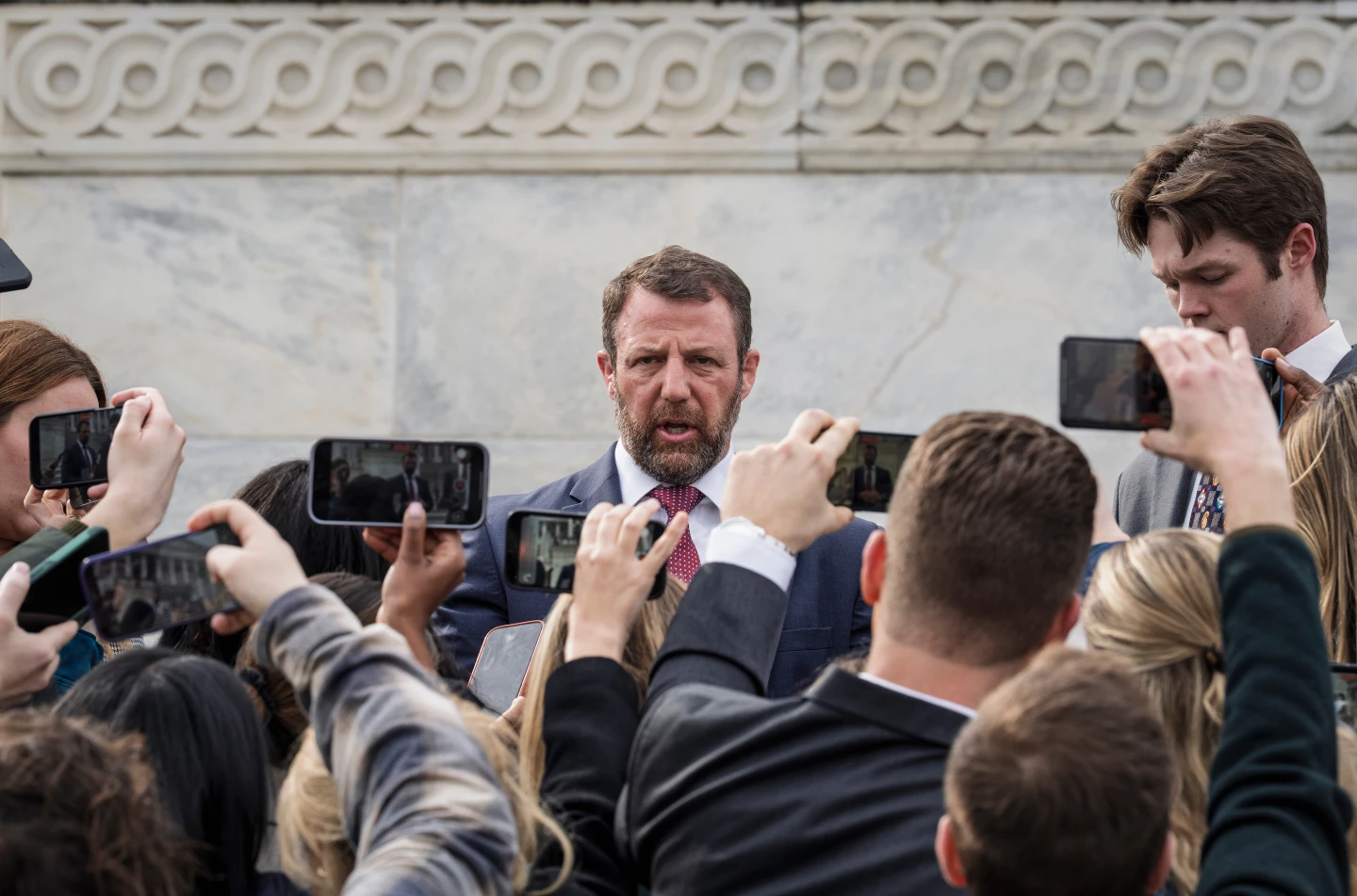
Several Republican lawmakers have expressed caution regarding the move, arguing it may normalize cannabis use.
The U.S. Drug Enforcement Administration notes that Schedule III narcotics have a moderate to low potential for physical and psychological dependence.
The executive order could be announced as soon as Thursday, although plans could change.
This new classification could also lead to tax implications for state-authorized cannabis dispensaries, which, under current law, are barred from certain tax deductions if they sell Schedule I products.
Reports indicate a pilot program may be included, permitting reimbursements for older Americans for cannabidiol (CBD) for conditions like cancer treatments.
In recent years, most U.S. states have approved cannabis for medical use, with 24 states allowing recreational use. Cannabis has been classified as a Schedule I narcotic since 1971, indicating it has no accepted medical use and a high potential for abuse.
Trump recently stated he was considering reclassification due to tremendous amounts of research that can’t be done unless you reclassify.
The Biden administration had proposed similar changes earlier, but efforts have stalled due to administrative and legal obstacles.
President Trump has shown a consistent interest in reforming cannabis laws, indicating a desire to cease the endless arrests of adults for small amounts of marijuana for personal use.
However, resistance from some Republican senators remains. A group recently sent an open letter to the president expressing concerns that marijuana normalization would counteract efforts to revitalize the American economy.
Polls suggest a majority of Americans support marijuana legalization, though recent data shows fluctuations in support levels, especially among Republicans.