In brief
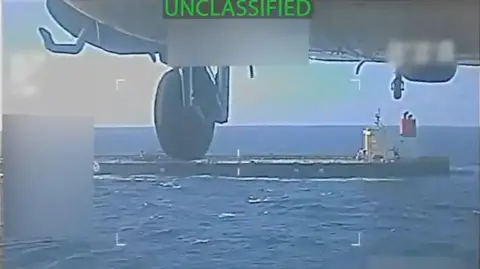
Venezuela's oil industry, crucial for its economy, is struggling under US sanctions. To adapt, the country has resorted to using a network of 'ghost ships', which change their identities and operate under the radar to export oil. Despite sanctions imposed by the US government, reports indicate a partial recovery in Venezuela's oil exports, suggesting these tactics are effective. The situation escalated further with President Trump's recent naval blockade targeting these vessels.
In a further escalation of tension between the United States and Venezuela, President Donald Trump has ordered a naval blockade to stop sanctioned oil tankers from entering and leaving the South American country.
Venezuela - which has the world's largest proven oil reserves - is highly dependent on revenues from its oil exports to finance its government spending.
But US sanctions targeting Venezuela's state-run oil company PDVSA have made exporting oil difficult for the Venezuelan government, leading them to resort to a fleet of 'ghost ships'.
So what do we know about these vessels and how they operate?
'Total and complete blockade'
As of last week, more than 30 of the 80 ships in Venezuelan waters or approaching the country were under US sanctions, according to data compiled by TankerTrackers.com.
It is these vessels President Trump is targeting with the 'total and complete blockade of all sanctioned oil tankers going into, and out of, Venezuela,' he announced on his Truth Social account on 16 December.