In brief
The 'Make America Healthy Again' (MAHA) movement, led by advisors to U.S. Health Secretary Robert F. Kennedy Jr., is intermingled with profit-driven motives of powerful wellness advocates, including those promoting potentially harmful goods like raw milk. This convergence of interests fuels a legislative push for anti-science policies across the U.S., framing commercial profitability as a justification for removing consumer protections.
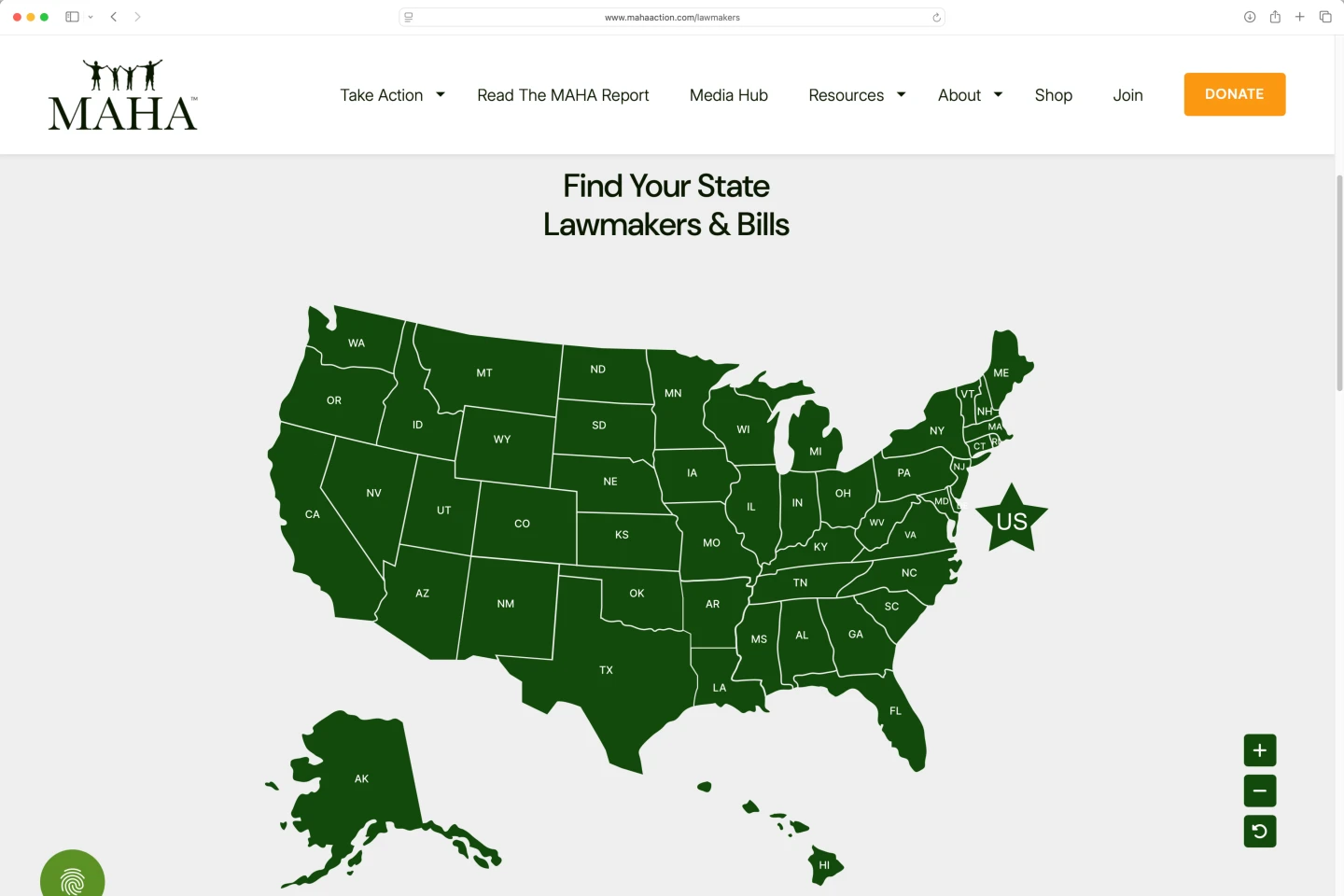
At a recent natural products industry trade show, advisers to U.S. Health Secretary Robert F. Kennedy Jr. promoted the 'Make America Healthy Again' (MAHA) movement, asserting that its goals resonate with the interests of the supplement and holistic health industries. Proponents, like Del Bigtree, suggested that Republican support for such movements could lead to prosperity for various health-focused businesses. This movement has come under scrutiny for aligning closely with influential anti-vaccine advocates and entities pushing for anti-science legislation across the United States.Critics have noted that this wave of advocacy is fueled by well-funded organizations backed by individuals profiting from distrust in traditional medical practices. Legislative actions pushed by these activists have allegedly sought to dismantle established consumer protections, citing potential profitability for sectors like dairy farming as justification. For instance, a Delaware bill aimed to legalize raw milk sales, with proponents arguing that it could unlock significant financial benefits for local producers, despite concerns surrounding public health.The movement’s advocacy includes promoting products that undermine established scientific guidelines, such as raw milk sales, which have been associated with health risks. Figures like Mark McAfee, a prominent raw milk promoter, have faced controversy due to historical product recalls linked to health incidents. Yet, as raw milk gains legislative ground, his business forecasts remarkable growth, demonstrating how the MAHA movement's economic incentives often prevail over health considerations.Additionally, the ties between the MAHA initiative and prominent anti-vaccine activists lead to significant financial gain from the movement. Businesses associated with Bigtree and Kennedy have seen lucrative contracts, showcasing the intricate web connecting health advocacy with profit-making.During appearances at industry events, advisors like Casey Means articulate strategies to foster a prosperous atmosphere for their supporters, urging them to engage with lawmakers and reshape national health discussions around nutrition rather than pharmaceuticals. This approach emphasizes a transformation in public health priorities, potentially augmenting the commercial landscape of health products at the expense of proven scientific safeguards.