The US has officially implemented a 17% tariff on the majority of tomatoes imported from Mexico, effective immediately. The decision comes after the US withdrew from a longstanding trade agreement, claiming it failed to shield American tomato growers from "unfairly priced" imports from their southern neighbor.
US Secretary of Commerce Howard Lutnick voiced concerns, stating that American farmers have suffered due to unfair trade tactics that undercut tomato prices. In contrast, Mexico has firmly rejected allegations of dumping low-priced tomatoes in the US, attributing the popularity of their produce to its superior quality.
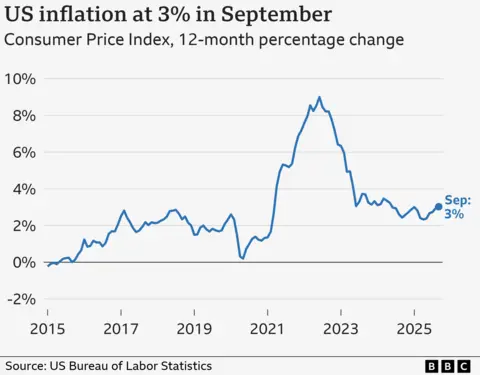
This tariff is expected to drive up prices for consumers at supermarkets and restaurants, particularly affecting items like pizza sauces and salsas that rely on tomato ingredients. The Florida Tomato Exchange notes that approximately 70% of tomatoes consumed in the United States are sourced from Mexico.
Proponents of the tariff believe it will lead consumers to turn to domestically grown tomatoes, potentially boosting local agricultural trade. However, the Mexican government has claimed that finding substitutes for Mexican tomatoes will prove "impossible" given their significant market presence. They expressed intentions to negotiate a new agreement before the impact of the tariff is fully realized while also seeking alternative markets for their producers.
The move follows a history of complaints from US tomato growers, who have sought government intervention since 1996, alleging that their business was being undermined by lower-priced Mexican imports. Over the years, the two nations have established multiple agreements to mitigate tariff disputes, but the latest pact, signed in 2019, has now been nullified by the US.
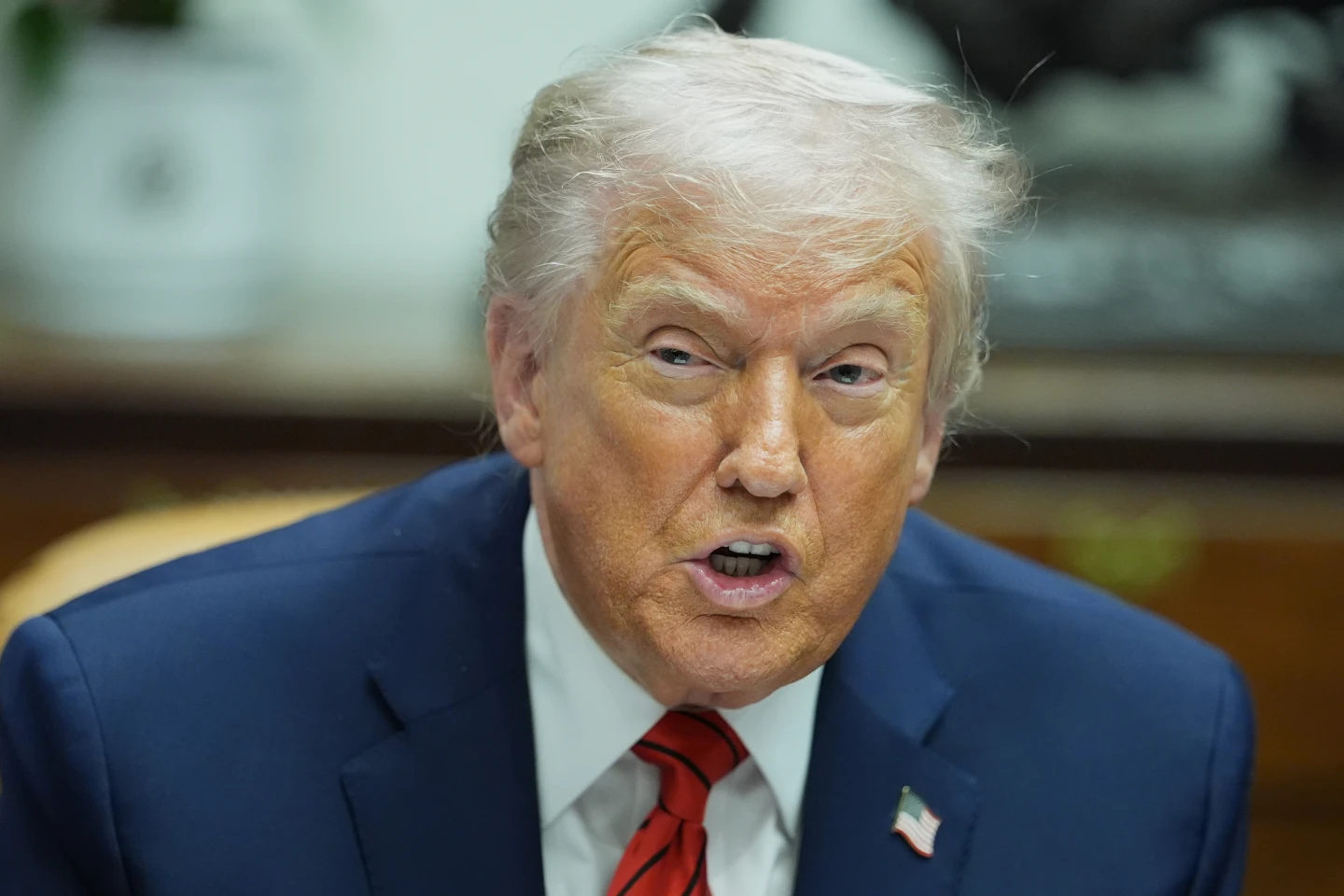
Furthermore, President Trump has indicated potential future tariffs of 30% on all Mexican goods beginning August 1st, blaming Mexico for not sufficiently addressing issues related to narcotics trafficking in North America. Other trading partners, including Brazil and China, have also faced similar tariff threats from the US.
US Secretary of Commerce Howard Lutnick voiced concerns, stating that American farmers have suffered due to unfair trade tactics that undercut tomato prices. In contrast, Mexico has firmly rejected allegations of dumping low-priced tomatoes in the US, attributing the popularity of their produce to its superior quality.
This tariff is expected to drive up prices for consumers at supermarkets and restaurants, particularly affecting items like pizza sauces and salsas that rely on tomato ingredients. The Florida Tomato Exchange notes that approximately 70% of tomatoes consumed in the United States are sourced from Mexico.
Proponents of the tariff believe it will lead consumers to turn to domestically grown tomatoes, potentially boosting local agricultural trade. However, the Mexican government has claimed that finding substitutes for Mexican tomatoes will prove "impossible" given their significant market presence. They expressed intentions to negotiate a new agreement before the impact of the tariff is fully realized while also seeking alternative markets for their producers.
The move follows a history of complaints from US tomato growers, who have sought government intervention since 1996, alleging that their business was being undermined by lower-priced Mexican imports. Over the years, the two nations have established multiple agreements to mitigate tariff disputes, but the latest pact, signed in 2019, has now been nullified by the US.
Furthermore, President Trump has indicated potential future tariffs of 30% on all Mexican goods beginning August 1st, blaming Mexico for not sufficiently addressing issues related to narcotics trafficking in North America. Other trading partners, including Brazil and China, have also faced similar tariff threats from the US.