In brief
As the holiday season unfolds in December, the artificial Christmas tree industry grapples with rising tariffs causing prices to increase by 10-15%. Although there is a strong preference for artificial trees among U.S. consumers, manufacturers face challenges in production and supply. Companies are reluctant to move back to domestic production despite ongoing trade issues, opting instead to diversify their supply chains. The demand for convenient, pre-lit trees remains high, influencing the market.
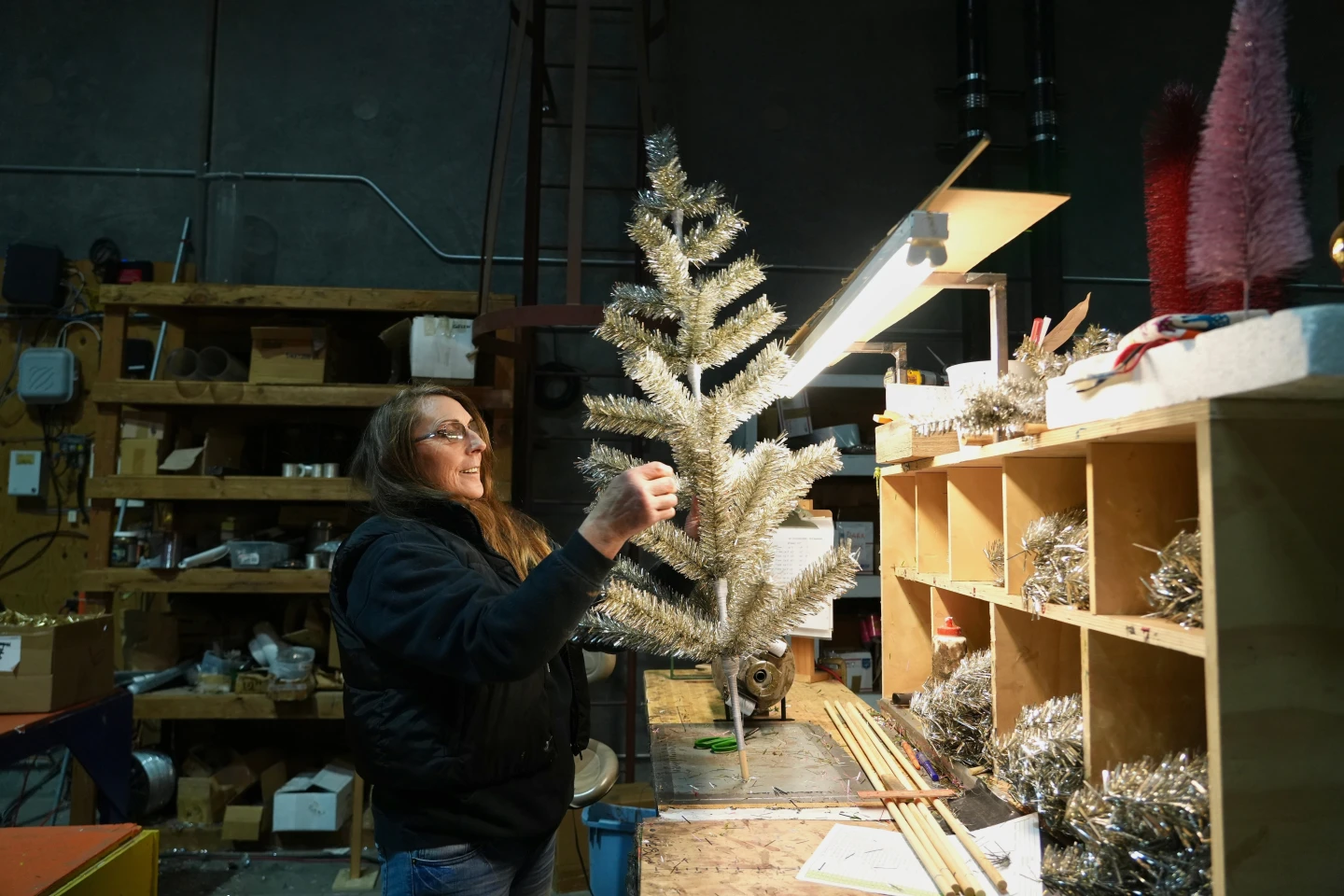
On a recent December day, Mark Latino and a handful of his workers spun sheets of vinyl into tinsel for Christmas tree branches. Latino is the CEO of Lee Display, a Fairfield, California-based company that his great-grandfather founded in 1902. Now, it’s one of the only companies in the U.S. still making artificial Christmas trees, producing around 10,000 per year.Tariffs have brought attention to fake Christmas trees, revealing America's heavy reliance on imported plastic firs. Prices have surged this year due to new import taxes, with tree sellers cutting orders and facing higher tariffs. Despite these challenges, many tree companies remain unlikely to shift production back to the U.S. after decades in Asia, due to labor-intensive manufacturing processes and the necessity for components often not produced domestically.About 80% of U.S. residents planning to use a Christmas tree this year chose fake ones, consistent over the last 15 years. This preference is due to convenience, with most artificial trees sold having pre-strung lights. The trend to produce artificial trees offshore began in Thailand before shifting to China, where labor costs significantly lower production expenses.As companies like Balsam Brands consider manufacturing within the U.S., they've found that domestic production would result in inflated costs for consumers. Additionally, tariffs have forced companies to adapt strategies, such as finding alternative manufacturing locations and restructuring offerings in light of decreased consumer demand. Despite these adaptations, the overarching sentiment is one of uncertainty for the upcoming holiday as costs rise against a backdrop of fluctuating tariffs.