In brief
In a recent address, Philippine President Ferdinand Marcos announced a state of national energy emergency to counter surging oil prices caused by the conflict in Iran. He committed to securing additional oil supplies and establishing measures to stabilize the energy situation, as the Philippines imports almost all its oil. The declaration empowers the government to take necessary actions, including direct fuel purchases, to mitigate the crisis. Transport workers are mobilizing for a two-day strike in protest against the government's handling of rising fuel costs.
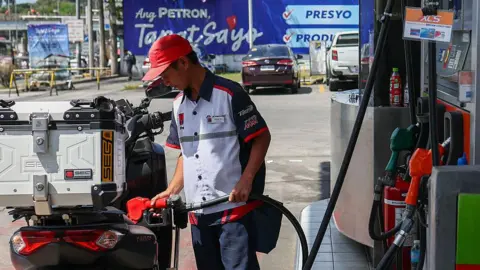
Philippine President Ferdinand Marcos has placed the nation under a state of national energy emergency due to escalating fuel prices linked to the conflict in Iran. In a televised address, he reassured Filipinos that the government would procure an additional one million barrels of oil to augment current stocks sufficient for 45 days. We will have a flow of oil. Not just one delivery, not two deliveries, but a flow of oil-related products, he stated.The Philippines, which relies on imports for 98% of its oil, is the first country to declare an energy emergency following drastic price increases in diesel and petrol, which have more than doubled since hostilities commenced on February 28. The ongoing US-Israel conflict with Iran has severely affected the Strait of Hormuz, critical to global oil distribution, leading to market instability.Marcos emphasized that the emergency declaration grants the government legal authority to implement protective measures to stabilize energy and protect the economy. He mentioned collaboration with the US to secure exemptions for oil imports from countries under sanctions. A new committee has been formed under his directive to oversee the equitable distribution of fuel and essential goods. This measure is expected to last for one year unless revoked or extended by the president.As pressure mounts, Philippine labor coalition Kilusang Mayo Uno criticized the declaration, asserting it reflects a failure in government action. They highlighted the growing discontent among citizens, especially as transport workers prepare for a two-day strike against rising costs and insufficient governmental response. While some industry leaders support the emergency measures, the situation remains tense as Filipino households continuously face financial strain due to fuel price hikes.