In brief
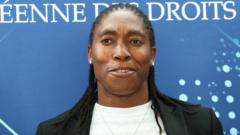
Caster Semenya, the renowned South African athlete, has achieved a significant legal victory as the European Court of Human Rights (ECHR) ruled that her right to a fair hearing was compromised by the Swiss Federal Supreme Court's 2020 decision. This ruling comes in the context of her long-standing fight against World Athletics' regulations that limit testosterone levels for female competitors, a move that has effectively sidelined her from competing in the 800m event since 2019.
The court found that while the Swiss ruling lacked the appropriate rigor required under the European Convention on Human Rights, Semenya's broader complaints concerning her gender rights and discrimination were inadmissible. This outcome reinforces the ongoing global discussion about the treatment of athletes with differences of sexual development (DSD) and highlights Semenya's resolve to advocate for human rights in sport.Following the verdict, Semenya expressed her feelings of vindication and emphasized the importance of addressing fundamental athlete rights. "This is bigger than we ever thought. It’s about human rights," she stated in her post-verdict comments. The ruling does not immediately affect the existing restrictions on DSD athletes but serves as a reminder of the scrutiny facing the regulations imposed by World Athletics.Semenya’s lawyer indicated a need to assess the ruling impacts and potential next steps, while World Athletics has refrained from commenting. The discussion over DSD and testosterone levels continues, notably with World Athletics' plans to introduce new genetic testing protocols that could further complicate eligibility in women’s events. As Semenya transitions to coaching, her landmark victory at the ECHR keeps her mission alive, pushing for recognition and respect for the rights of all athletes. Critics of current regulations argue that they perpetuate discrimination against athletes like Semenya, while defenders maintain they are necessary for fair competition. This legal battle may not only reshape Semenya's future but also invites a broader examination of equity and rights in sports worldwide.