In brief
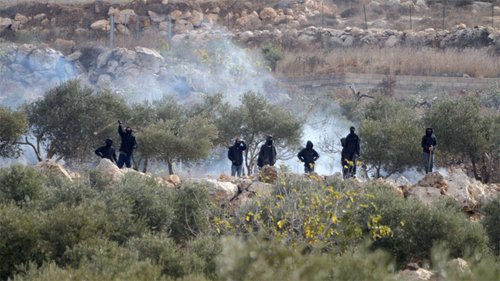
Goma, an embattled city in the Democratic Republic of Congo, is engulfed in grief and devastation following a week of violent clashes that resulted in nearly 3,000 deaths. The conflict, primarily involving the M23 rebel group, has been labeled one of the most lethal in recent history for the region.
In response to this humanitarian crisis, local volunteers, alongside organizations like the International Committee of the Red Cross, are mobilizing to conduct mass burials for the deceased. The chaos left behind includes countless victims interred in hastily dug trenches amid the volatile city landscape. Myriam Favier, a representative from the Red Cross, indicated that the situation looks grim, emphasizing, “We have days of mass burials ahead of us.” Goma, a geopolitical hotspot, encountered significant violence as M23, a group allegedly supported by Rwanda, overran the city last week. This resurgence of armed conflict is not merely an isolated incident; it is steeped in a broader context of decades-long ethnic strife and struggles over the region's abundant resources. Experts note that the scale of casualties witnessed here in such a short time frame highlights a concerning escalation.While the fighting has reportedly lessened in intensity, fears loom about the broader implications for regional stability, as tensions between Congo and Rwanda are reignited. The recent events in Goma could potentially lead to wider military conflicts involving allied factions on both sides, raising alarms amidst a long history of violence in the Central African region.