In brief
Joseph Kabila, who ruled the DRC from 2001 to 2019, has taken the helm of the Front for the Refoundation of the Nation (FRN), a new rebel coalition seeking to oust President Tshisekedi’s government. The FRN says it will coordinate resistance forces, calling for an end to what it describes as tyranny, and is willing to use force. Kabila’s move follows a death sentence in absentia for treason and accusations of ties to rival rebel groups. His announcement at the coalition’s press conference in Goma a year after the city fell to M23 rebels adds another layer of instability to eastern DRC, which remains mired in militia conflict. The government remains silent, while the country braces for potential escalation amid an impending 2028 election.
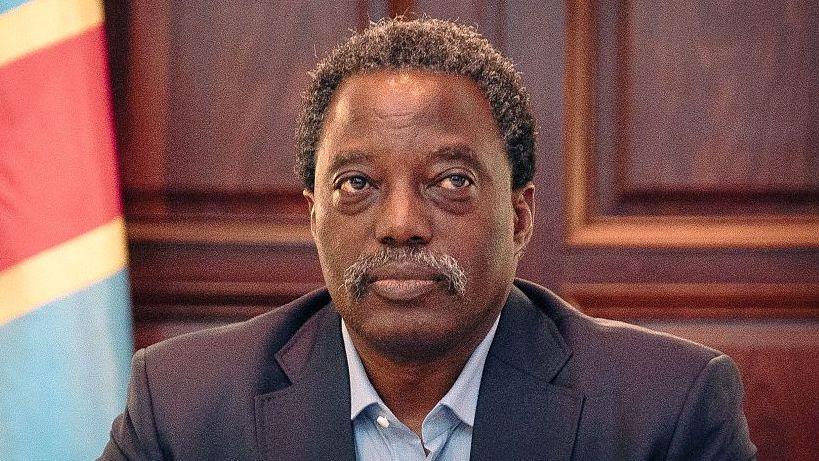
Former Congolese President Joseph Kabila has been named the leader of a new rebel coalition that seeks to overthrow the current government.
The Front for the Refoundation of the Nation (FRN) says it will coordinate resistance forces to end what it calls tyranny in the Democratic Republic of Congo and will pursue the goal by all means, including force.
With a death sentence in absentia for treason issued a year ago, Kabila’s direct involvement in an armed movement starkly contrasts his earlier denial of links to the M23 rebel group that has controlled eastern Congo, including the city of Goma where the coalition was unveiled.
The press conference took place at Kabila’s residence in Goma, the largest city in eastern DR Congo that has been under M23 control since last year. M23 leader Sultani Makenga will serve as one of Kabila’s four deputies in the new movement, the other three coming from the AFC-M23 alliance that seized much of mineral‑rich eastern DR Congo last year.
Kabila lambasted President Félix Tshisekedi’s administration, accusing it of ignoring proposals he had put forward last year, of undermining constitutional rule, mismanaging the economy and failing to improve security. He also alleged arbitrary arrests of political opponents and military officers, yet the government has not publicly responded.
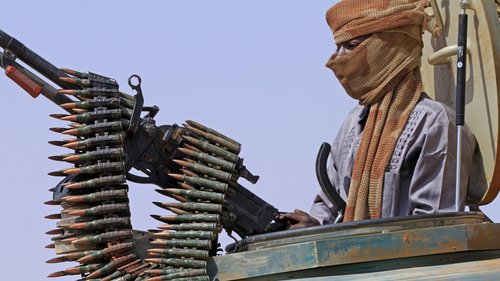
The move arrives at a time of deep uncertainty in a country that has been wracked by violence for decades. More than 100 militia groups operate in eastern DR Congo amid ethnic tensions and fights over control of lucrative natural resources.
Tshisekedi’s second term ends in 2028, but he hinted he might seek a third term “if the people want.” A recent parliamentary bill could pave the way for a referendum that could remove the constitution’s two‑term limit, and protests erupted in the capital last month over the proposed changes.