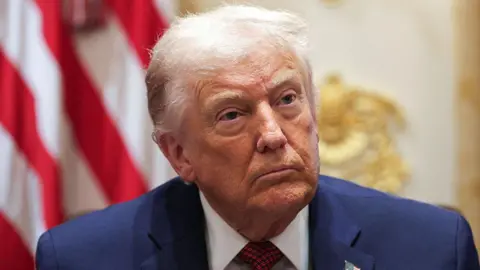
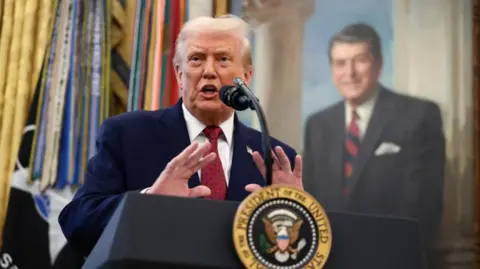
June 24, 2025, 12:11 p.m. ET – President Trump has vocally criticized both Israel and Iran for continuing attacks shortly after his cease-fire announcement, demonstrating the volatility of the agreement aimed at ending a 12-day conflict. The Israeli military claims Iran violated the truce by firing missiles after its declaration, while Iran denies this, asserting that Israel also engaged in attacks during the same timeframe. Trump expressed frustration, indicating that both nations seem unable to manage their actions responsibly.
Reports reveal that Iranian missile strikes targeted Beersheba, resulting in casualties, while Israel conducted retaliatory strikes in Iranian locations. As Trump headed to a NATO summit in the Netherlands, he warned that both sides must adhere to the cease-fire, expressing discontent over the military actions that followed the announcement.
The cease-fire, having gained world attention, saw cautious optimism from various global leaders, including France's Macron, who acknowledged the delicate nature of the situation. However, it became clear that neither side was willing to fully back down, with mutual accusations flying regarding violations.
In the background, Qatar played a crucial role in brokering the cease-fire by engaging both Israel and Iran diplomatically. The situation remains precarious as both nations continue military operations despite the terms of the truce. Market reactions to the cease-fire were positive, with stocks rising and oil prices decreasing.
Trump’s comments underlined the tension in U.S. relations with both countries, as he criticized Israel's immediate military response post-agreement. The dynamic reflects not only a battle between Israel and Iran but also the intricate web of international diplomacy attempting to stabilize the region amidst a backdrop of ongoing military actions.
Reports reveal that Iranian missile strikes targeted Beersheba, resulting in casualties, while Israel conducted retaliatory strikes in Iranian locations. As Trump headed to a NATO summit in the Netherlands, he warned that both sides must adhere to the cease-fire, expressing discontent over the military actions that followed the announcement.
The cease-fire, having gained world attention, saw cautious optimism from various global leaders, including France's Macron, who acknowledged the delicate nature of the situation. However, it became clear that neither side was willing to fully back down, with mutual accusations flying regarding violations.
In the background, Qatar played a crucial role in brokering the cease-fire by engaging both Israel and Iran diplomatically. The situation remains precarious as both nations continue military operations despite the terms of the truce. Market reactions to the cease-fire were positive, with stocks rising and oil prices decreasing.
Trump’s comments underlined the tension in U.S. relations with both countries, as he criticized Israel's immediate military response post-agreement. The dynamic reflects not only a battle between Israel and Iran but also the intricate web of international diplomacy attempting to stabilize the region amidst a backdrop of ongoing military actions.