In brief
The Trump administration's withdrawal of support and refusal to engage with South Africa has exacerbated the country's economic crisis. Recent developments include the denial of a diplomatic visa to Ramaphosa's special envoy, Mcebisi Jonas, as tensions rise over accusations of human rights abuses and strained trade relations.
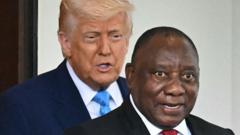
South African President Cyril Ramaphosa is encountering significant hurdles in mending relations with the Trump administration, which has treated South Africa as nearly a pariah state. This perceived isolation has manifested through the blacklisting of South African envoys and a concerning refusal to send high-ranking officials to key meetings, coupled with threats of steep tariffs that could further cripple the already struggling South African economy. The urgency of this situation has been underscored by the Democratic Alliance (DA), the second-largest party in South Africa's coalition parliament, revealing that the US refused to grant a diplomatic visa to President Ramaphosa’s special envoy, Mcebisi Jonas. Ramaphosa established this role in an effort to mend frayed ties with Washington.The US State Department has declined to comment publicly on the visa issue, maintaining a policy of confidentiality regarding visa records. Jonas, a former deputy finance minister and current chairman of the telecommunications giant MTN, was expected to engage with US officials to advocate for South African interests. However, the DA claims his absence from Ramaphosa's recent delegation to critical meetings adds credence to their assertions that the Trump administration is deliberately sidelining South Africa.Much of the escalating animosity stems from a series of actions taken by Trump, including cutting off aid to South Africa and publicly condemning Ramaphosa's government on various fronts. Analysts, such as Priyal Singh from the Institute for Security Studies, emphasize that if the DA's claims are substantiated, it aligns with the Trump administration's broader strategy to weaken communication with the South African government.The diplomatic backlash was further evident when US Treasury Secretary Scott Bessent opted out of a recent G20 finance ministers meeting hosted in South Africa, a decision echoed by other top officials. Ramaphosa's attempts to stabilize relations following an invitation to the Oval Office turned sour when Trump presented misleading evidence to support false genocide claims against white South Africans.Additionally, Jonas's controversial history, including past remarks labeling Trump as a "racist," complicates an already strained atmosphere, making any diplomatic reconciliation increasingly difficult. South Africa's character has shifted toward a more cautious approach in response to geopolitical strife, particularly regarding US military actions in Iran, reflecting a need to navigate these treacherous waters delicately.Policy analyst W. Gyude Moore suggests that the nature of the Cold War-like standoff with the Trump administration has disrupted the longstanding trade and diplomatic relations that South Africa enjoyed through previous administrations. He advises that strengthening ties with other nations may be an important strategy for South Africa moving forward.The looming threat of abrogating trade agreements by imposing tariffs of up to 30% on South African goods potentially jeopardizes around 100,000 jobs in an economy already grappling with a staggering unemployment rate of 32.9%. Such tariffs would primarily impact the agricultural sector, raising questions about the sustainability of South Africa's international trade position and overall economic health.