In brief
The government of Nepal has announced a crackdown on online harassment of survivors of the deadly floods that swept the country last month. Prime Minister Balendra Shah warned that anyone who belittles victims or spreads hateful comments will face criminal prosecution. Police have formed a committee to trace the source of anonymous messages, which could lead to up to five years in prison and fines of 100,000 rupees under the Electronic Transactions Act. Human‑rights activists say such comments may stem from “rage‑baiting” or partisan supporters. The move follows widespread outcry after survivors posted pleas for help and were met with cruel backlash on social media.
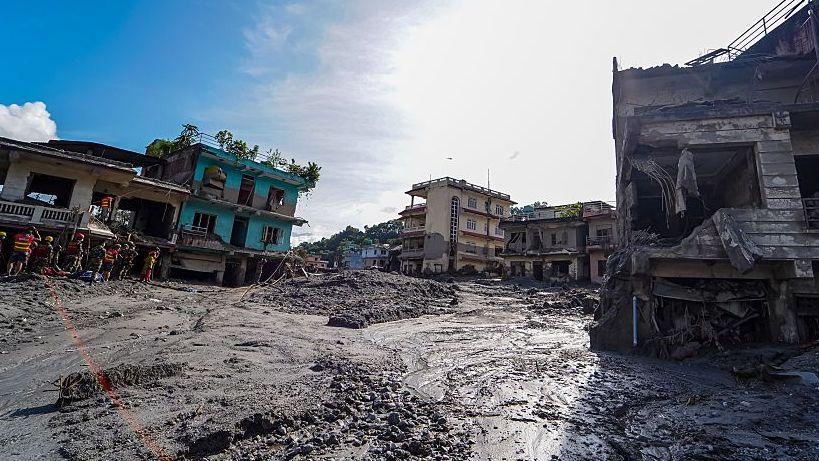
The government of Nepal has pledged to criminalise online harassment of survivors of the deadly floods that struck the country last month. Prime Minister Balendra Shah issued a Facebook post warning that the authorities would “show no leniency” to those who “belittle” victims or “make unnecessary remarks” that add to their pain.
Survivors and families have taken to social media to seek information about missing relatives and to urge authorities to accelerate rescue efforts. Many, however, were met with hostile comments. A woman who had been searching for her missing brother received numerous “nasty” remarks after expressing frustration with the slow start of rescue operations.
A viral clip from a young woman who demanded answers from authorities about her missing husband sparked a wave of insults, including some that urged her to “jump into the river.” Not all comments were unkind; some people urged that victims be consoled rather than cursed.
In response, Nepali police have convened a ten‑member committee to investigate the origin of these comments and identify the addresses and phone numbers behind anonymous accounts. Under Nepal’s Electronic Transactions Act, users who defame or harass others on social media can face up to five years in prison, fines up to 100,000 rupees (about US$662), or both.
Dovan Rai, executive director at Body & Data, cautioned that much of the backlash originates from “rage‑baiting” tactics used to inflame outrage or from supporters of the government who feel slighted when criticism arises. Rai said that such dynamics polarise the online debate and make it harder for survivors to receive support.
The crackdown comes at a time when Nepal’s agencies continue to struggle to locate missing individuals and deliver aid. The Prime Minister’s directive signals a broader governmental effort to protect vulnerable civilians from both real‑world harm and digital harassment.