In brief
Across the country, towns and states are rallying against the surge of data centres that power artificial intelligence. The backlash has shifted a formerly low‑profile issue to the forefront of the 2026 midterm campaign, prompting lawmakers to pause tax incentives and call for local veto rights. Major parties now weigh the political cost of expanding these facilities, while the tech industry argues the sites create jobs and advance national competitiveness. The tension is set to influence key Senate contests in Texas, Ohio, and Georgia.
The last year has seen communities across America protest the rapid build‑out of sprawling data centres that house the servers powering the internet’s newest AI advance. In the small town of Indiana, residents have voiced concerns that a new Amazon complex will sit just across the street, covering more than a square mile and propelling the region’s diesel‑power demand.
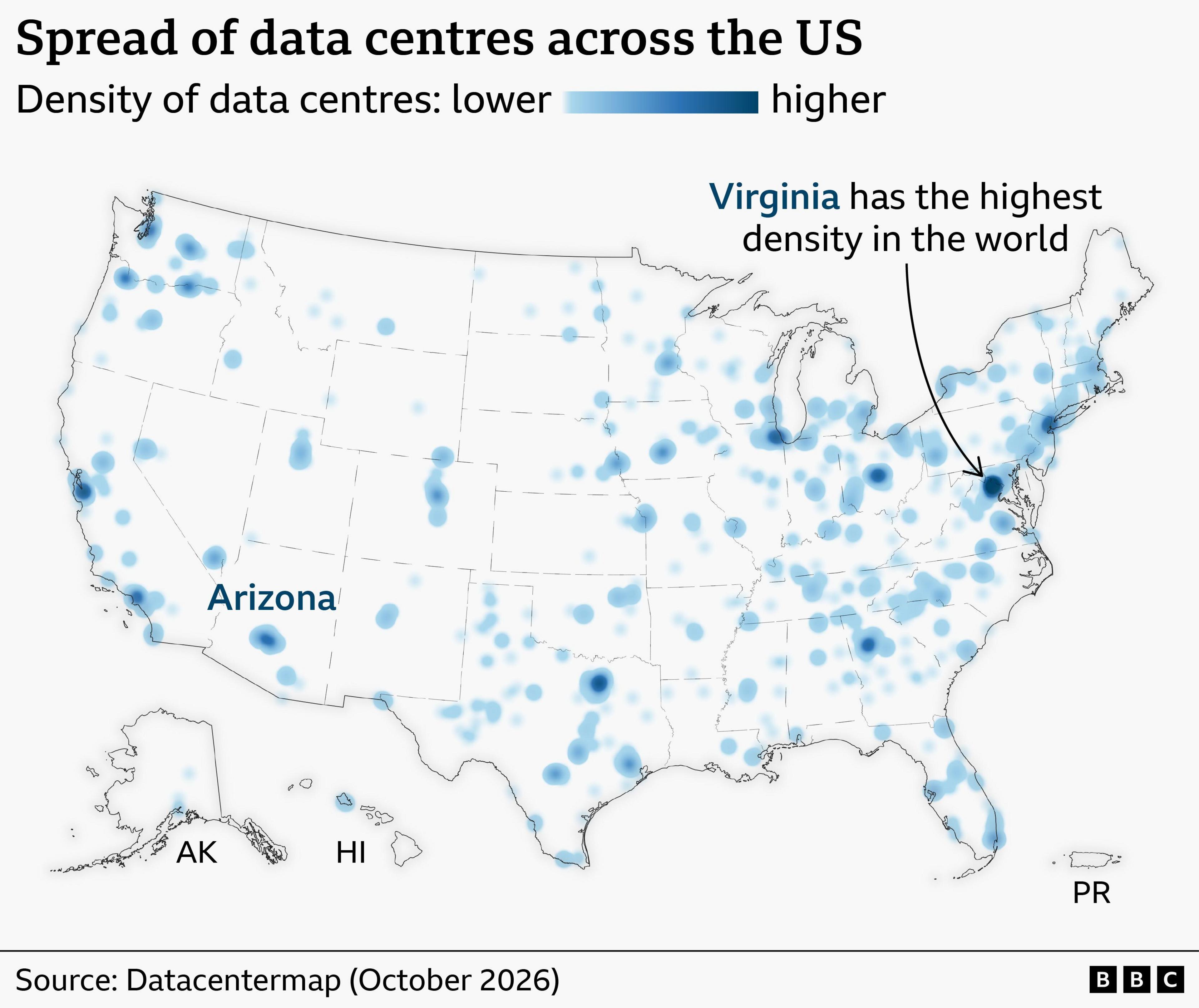
A Pew Research Center report noted that the U.S. could see nearly 6,000 data centres by 2030, a rapid jump from the current 3,000. The majority of these sites are built under local zoning rules, giving senators and local officials little leverage. Yet as community opposition grows, lawmakers on both sides of the aisle are scrambling to capture the narrative.
Former Democratic Senator, now an animal‑rights activist and constituent‑focused adviser, confided that he now holds “regular meetings with staff to track their impact” and is drafting legislation to cap the pace of construction. The move is a direct response to voter sentiment, which has swung sharply against the rapid expansion of data centres.
Not all political players agree before long; President Donald Trump has dismissed the backlash as a “sick conspiracy” and warned that towns resisting investment are “backwards and poor.” This rhetoric has opened the door for Democratic candidates who promise to bring “local control” over the complex’s siting decisions.
Across the nation, activists have formed over 800 groups in just the first months of the year, doubling the number from previous years. In Arizona, Governor Katie Hobbs paused new tax incentives for data centres—while Michigan senator Abdul El Sayed made the issue central to his primary run. Even GOP strongholds such as Ohio have reassessed their stances; Senator John Husted now says the decision should rest with local voters.
Texas, once proudly titled the AI hub of the country, is adjusting its tone, with Governor Greg Abbott now citing concerns over safety and quality of life. Democrat James Talarico’s senatorial campaign has sworn off “sweetheart tax deals” that flood Big Tech.
The tension has spurred temporary moratoria, typically lasting one to three years, as lawmakers try to gauge public opinion. The outcome of these pauses could determine whether data centre giants, like a 700-acre Barupon campus in Liberty, Texas, proceed or stall.
These development pressures come at a time when AI regulation and data-centre policy rank among the top concerns for voters heading to the polls, ahead only of the ongoing Iran war and economic issues. The results will shape the balance of power in the Senate and broader national policy on technology.
For a deeper look at how state politics are being reshaped, see the BBC’s full coverage at bbc.com/news/technology-22214892.