In brief
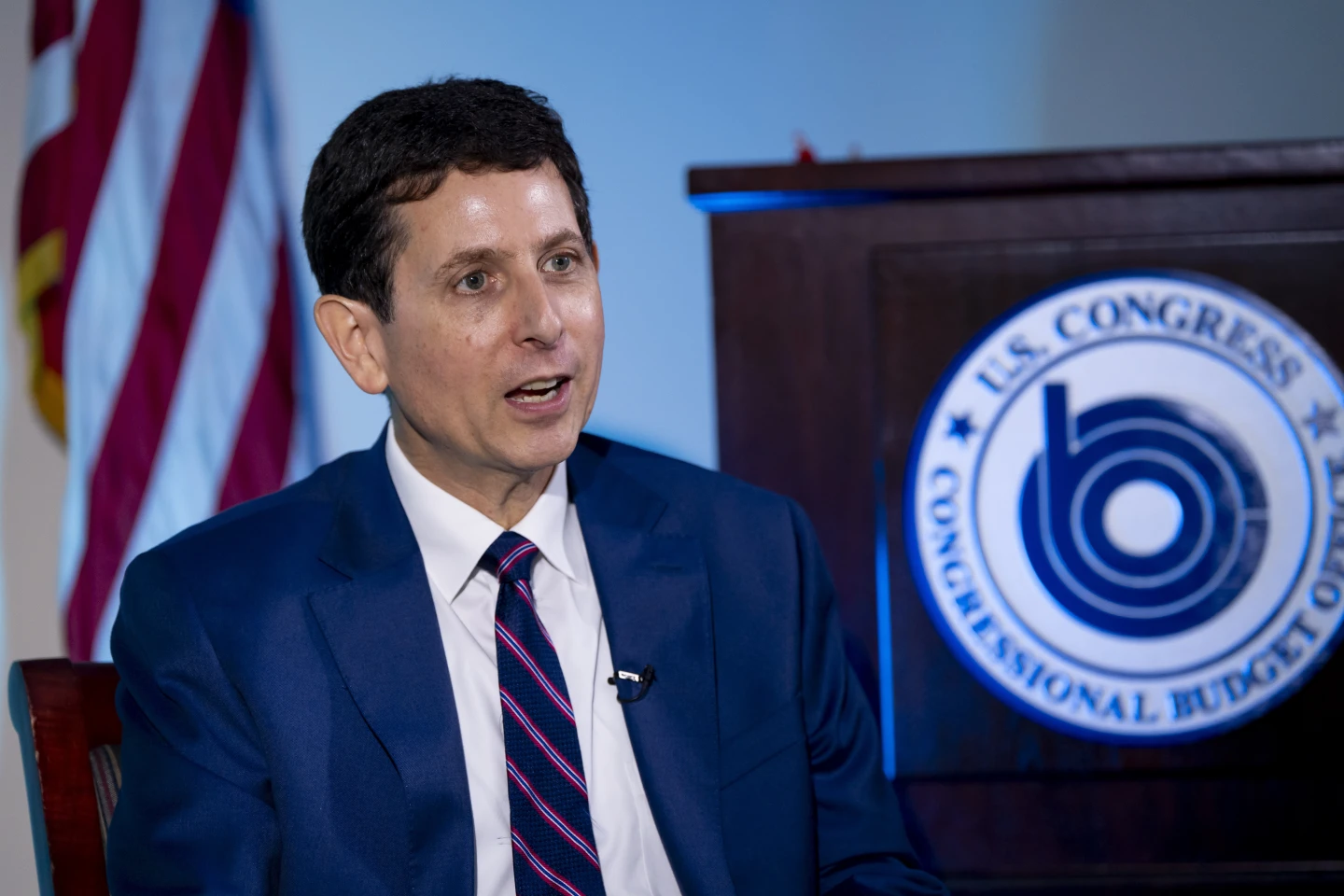
Despite sharp criticism from top Republican officials, Congressional Budget Office (CBO) Director Phillip Swagel defends his agency's commitment to nonpartisan analysis. He discusses the complexities of modern economic conditions, particularly those affected by Trump's policies, and emphasizes the importance of objective data in a politically charged environment.
WASHINGTON (AP) — The summer's sharp debates surrounding recent Republican tax breaks and spending cuts have led to intense criticism directed at the Congressional Budget Office (CBO), but Phillip Swagel, the CBO Director, remains resolute in ensuring accurate, unbiased economic assessments.
Critics, including Speaker Mike Johnson and President Donald Trump, have labeled the CBO as notorious for getting it wrong and very hostile towards their agendas. However, Swagel maintains that the agency's purpose is purely informational: We’re just trying to get it right and inform the Congress and the country. There’s no agenda here,” he asserts.
Swagel leads a team of economists responsible for evaluating the fiscal impacts of significant legislation while actively trying to tune out the political noise. He stresses high standards of accuracy in their analyses to serve both Congress and the public effectively. Sometimes it’s noise, sometimes it’s not. But we just tune it out. Here we do our work,” he states.
$4 trillion in deficit reductions due to tariffs and other new policies are projected by the CBO, but with stronger focus needed due to unprecedented changes in the economy due to Trump's presidency. Swagel emphasizes that moving forward, analyses from the agency will take into account how ongoing economic shifts may affect traditional modeling used in fiscal projections.
The influence of Trump's immigration policies and economic measures on national programs such as Medicare further complicates CBO projections. Swagel's comments highlight the reality that meaningful reform in fiscal policy must also contend with vested political interests in a contentious landscape.