
In brief
The air quality index in Lahore has reached alarming levels, prompting school closures and health warnings as pollution sources multiply.
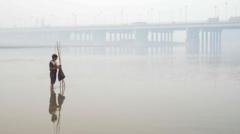
The air above Lahore has turned from clear skies to thick smog, as revealed by satellite images from NASA. This disturbing shift, particularly visible from space, has left the city’s 13 million residents gasping for fresh air, with the air quality index soaring past the 1,000 mark—well into the hazardous range. Initially unnoticed, the smog begins subtly, with a burnt odor permeating the air before it envelops the city. For many, particularly vulnerable groups like children and the elderly, every inhalation is a struggle. The situation has escalated to a point where hospitals anticipate a surge in respiratory illness cases. In response, Pakistani officials have launched an emergency effort, implementing a “green lockdown” that includes school closures, a ban on heavy vehicles in high pollution areas, and strict operating hours for markets across Punjab. Lahore High Court has mandated that all markets close by 8 PM daily until mid-November, as the government attempts to tackle this escalating crisis.Experts warn that this smog problem is not yet at its peak; pollution typically worsens in late November and December, making the current situation all the more concerning. NASA scientists indicate that the thick smoke is increasingly visible from orbit, exacerbated by widespread agricultural burning practices in both Pakistan and India.Officials estimate that approximately 30% of Lahore’s smog is influenced by stubble burning across the Indian border. The number of fires detected in the area this year significantly exceeds averages from previous years, stressing the need for regional cooperation to mitigate this shared environmental crisis. Transportation-related emissions also contribute substantially to the decrease in air quality, alongside other local pollution sources, such as industrial outputs from coal-fired brick kilns. The continuous cold air from Tibet combines with pollutants, resulting in the current pervasive smog.Health authorities report alarming increases in hospital admissions for respiratory conditions; over 900 were noted recently due to the adverse effects of toxic air. Experts highlight that Lahore exhibits significantly worse pollution levels than other major cities, maintaining that the current public health crises are merely symptomatic of a chronic problem.As the crisis deepens, local leaders are calling for collaborative approaches to climate diplomacy, particularly across provincial borders, though responses from neighboring jurisdictions have yet to materialize. While short-term measures like dust suppression have been implemented, they are not enough to solve Lahore's persistent pollution challenges. As concerns mount, residents hope for accountability and immediate action from both governments to restore clean air and a healthy environment.

