In brief
After a courtroom‐high profile trial, Erin Patterson is appealing her life sentence, claiming the jury was exposed to prosecution witnesses and evidence that should have been excluded. Her defence centres on seven grounds, including mobile‑phone tracking and social‑media posts, and notes an alleged hotel‑room mishap that may have tainted jury deliberations. The Department of Public Prosecutions counters that the sentence should be lengthened due to her solitary confinement and notoriety. The Supreme Court will decide whether to overturn the conviction, order a retrial or extend her parole period beyond 33 years. The case underscores the impact of procedural irregularities and media pressure on violent crime trials.
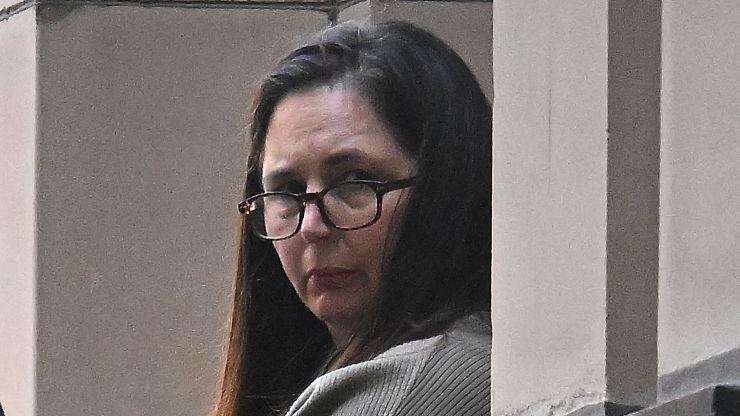
Australia’s mushroom killer, Erin Patterson, is again in courts this week as she seeks to overturn the conviction that handed her a life sentence for the 2023 murders of her in‑laws and a family friend. The case went to a high‑profile trial in Melbourne last year, ending with a verdict that sparked intense public interest.
Patterson, 51, was sentenced for killing Don and Gail Patterson, both 70, and Gail’s sister Heather Wilkinson, 66, after serving them separate beef Wellington meals laced with death‑cap mushrooms. She claims the incident was an accident caused by her foraging hobby, and that she never intended to kill her relatives.
Key to the appeal are allegations that the jury was inappropriately exposed to prosecution evidence and rival witnesses while lodged together in a hotel with media and prosecutorial staff. Prosecutors retain that, due to a media‑frenzy, the jury had to share a floor with journalists and key witnesses, undermining the integrity of the verdict. Patterson’s legal team argues this constituted a fundamental irregularity that warrants a new trial.
In the appeal file, seven grounds were outlined: 1. claims that mobile‑phone tracking data indicating Patterson visited areas where death‑cap mushrooms were found was inadmissible; 2. Facebook posts that portrayed her as hostile toward her in‑laws and estranged husband were excluded; 3. evidence of her mushroom‑foraging hobby meant to depict the killings as a tragic accident was wrongfully removed; 4. inconsistencies in the prosecution’s stated motive; 5. the intimidating cross‑examination by barrister Nannette Rogers was “unfair and oppressive”; 6. the alleged hotel accommodation mishap; and 7. claims of a lack of jury impartiality during deliberations.
At the hearing, Patterson will appear by video link from the Dame Phyllis Frost Centre, where she is currently incarcerated. The three judges who will decide the case are set to rule in the coming weeks, but it won’t be an immediate outcome.
If the court overturns Patterson’s conviction, the options are a retrial or an outright acquittal. Should the prosecution’s appeal succeed, she could see her parole period extended beyond 33 years or, in the worst case, be sentenced to life without parole.
The appeal reflects larger questions about how justice is administered when media attention collides with procedural safeguards and the impact of solitary confinement on a defendant’s rights.