In brief
Prime Minister Narendra Modi, long known for his controlled image, has shifted to casual Instagram reels to speak directly to India’s Gen Z crowd. The move followed widespread youth protests that exposed a gap between the BJP’s traditional online presence and younger voters’ media habits. Modi’s posts now feature candid selfies, slang, and references that appeal to Gen Z, alongside an attempt to turn Instagram into a two‑way conversation. Yet, many young users view the videos as ironic parody rather than genuine outreach, challenging the BJP’s social‑media strategy. While the BJP remains electorally powerful, its future success on platforms like Instagram will hinge on learning to own the narrative on a platform built for irony and engagement.
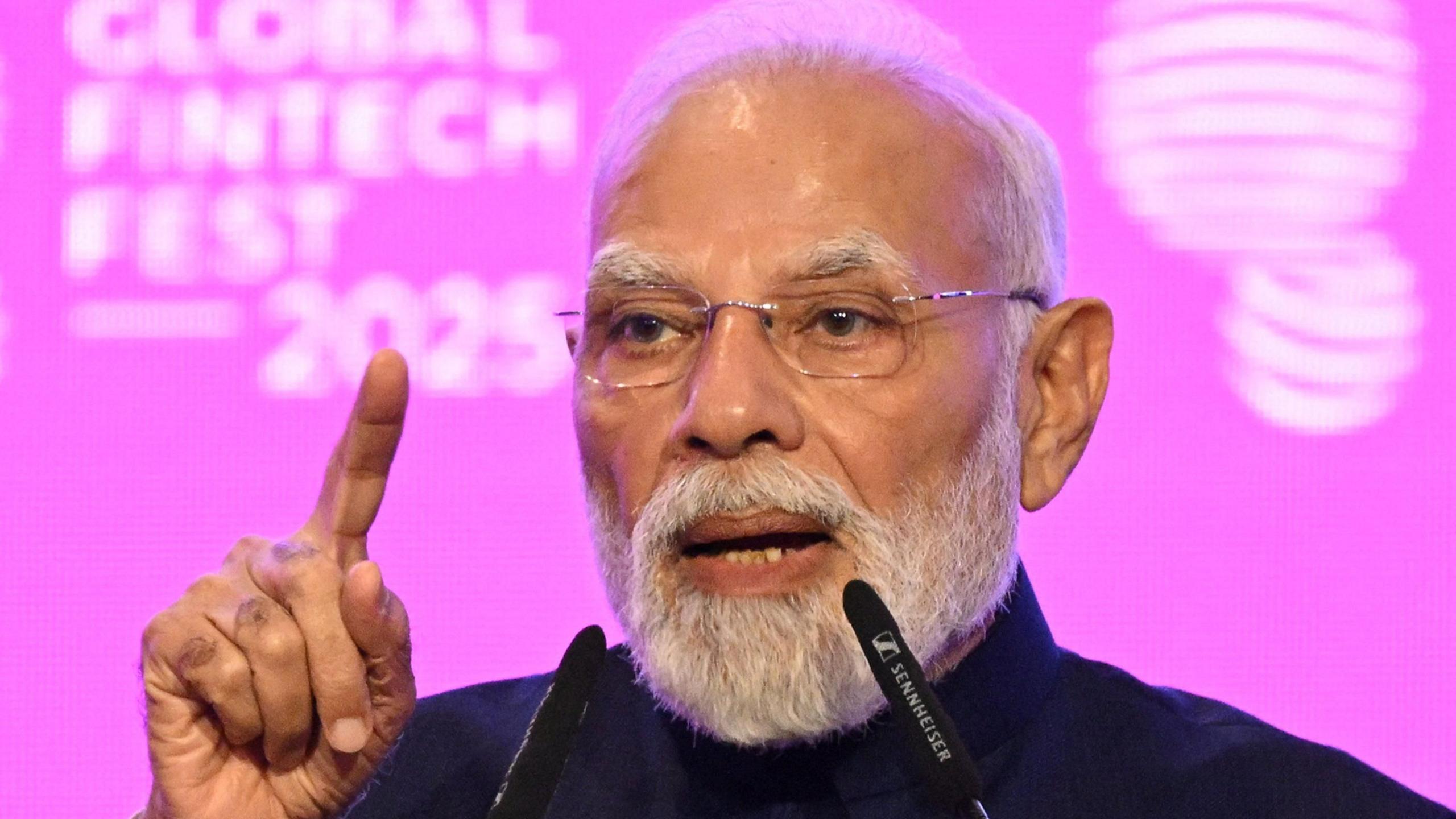
Many among India’s Gen Z may not see Narendra Modi as a friend. But the Indian prime minister is trying to talk to them like one.
For years Modi cultivated a strongman image through scripted speeches and choreographed public appearances. In recent weeks, however, he’s switched to a relaxed style on Instagram – the platform favored by young people.
His timeline, once filled with curated posts, now showcases candid reels and selfie‑style videos that greet the youth: “Friends,” he says, referencing Gen Z slang and creating a conversational tone.
With over 106 million followers, Modi became one of the most‑followed political leaders on the platform. Yet the tone of his messaging didn’t gain prominence in the BJP’s social media playbook, despite the party’s digital successes in 2014.
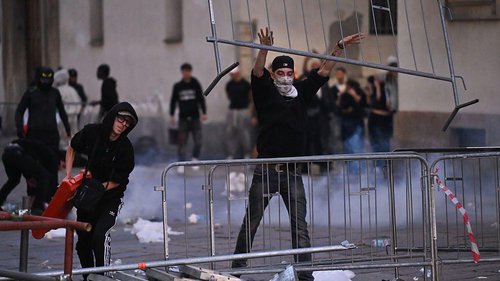
The shift came after a string of youth protests involving the satirical Cockroach Janta Party (CJP), whose memes and livestreams on Instagram evolved into protests that forced a federal minister’s resignation.
The CJP began as a joke but its online reach translated into real‑world pressure, catching the BJP off‑guard. BJP’s long‑standing WhatsApp, Facebook, and X campaigns have been remarkably powerful, but Gen Z consumes politics differently, favoring personal, unfiltered content.
More than 60% of India’s population is under 35, and Gen Z is expected to become the largest voting block by the 2029 general election. Winning them means adopting platforms like Instagram where personal content can resonate more than traditional messaging.
Modi’s early Instagram videos drew sarcasm from young users, who mocked his “first selfie‑video reel” and enjoyed the playful pauses that followed his calls for “friends.”
Reintegrating into the platform, the BJP experimented with camera angles and lighting, yet many remained skeptical that the timing and content addressed the concerns that fueled the protests.
While Modi’s account adapted to Gen Z dialect, his videos largely missed out on addressing the core protest issues. Similarly, BJP pages started using memes, slang, and pop‑culture references that resonated less, with fans labeling a reel set in a gym as “cringe” and a Friends‑the‑movie snippet as “out‑of‑date.”
Experts suggest the BJP now faces the challenge of controlling conversations on Instagram, where viral content can be trolled and forced into irony. A reel drawing 400 million views was reshared with sarcastic edits, underscoring how the platform’s algorithms reward engagement over intent.
Despite a hefty social‑media presence, analysts argue the BJP’s electoral success remains tied to organisational strength rather than Instagram metrics. “It’s vital to separate the power to win elections from the ability to win a social‑media narrative,” notes digital scholar Joyojeet Pal.
Ultimately, the BJP is learning to navigate a platform built on irony and engagement. While the party historically adapted to new forms—early adopter of social media, podcasting, influencer interviews—it will require time to master Instagram’s new rules.