In brief
In Jackson, Mississippi, the Lynching Victims Monolith etches the names of over 600 racial violence victims, highlighting the history of oppression and injustice. Visitors like Kiama Johnson reflect on the many untold stories as the exhibit stands central to Mississippi’s American 250 celebrations. Unlike national efforts to soften historical narratives, Mississippi’s museums embrace an honest approach to recounting its complex past, including the brutalities of racial injustices, to foster understanding and promote reflection.
JACKSON, Miss. (AP) — At the Mississippi Civil Rights Museum, the Lynching Victims Monolith stands as a stark reminder of the past, etched with the names of over 600 victims of racial killings in Mississippi, a reflection of the deep-seated violence that has marked the state's history.
This somber exhibit includes stories like that of Malcolm Wright, who was beaten to death in 1949 for the minor offense of 'hogging the road,' illustrating the extreme and irrational motives behind such violence. Just imagine the victims we don't know about, the ones never written in history books, reflected visitor Kiama Johnson, overwhelmed by the profound weight of the display.
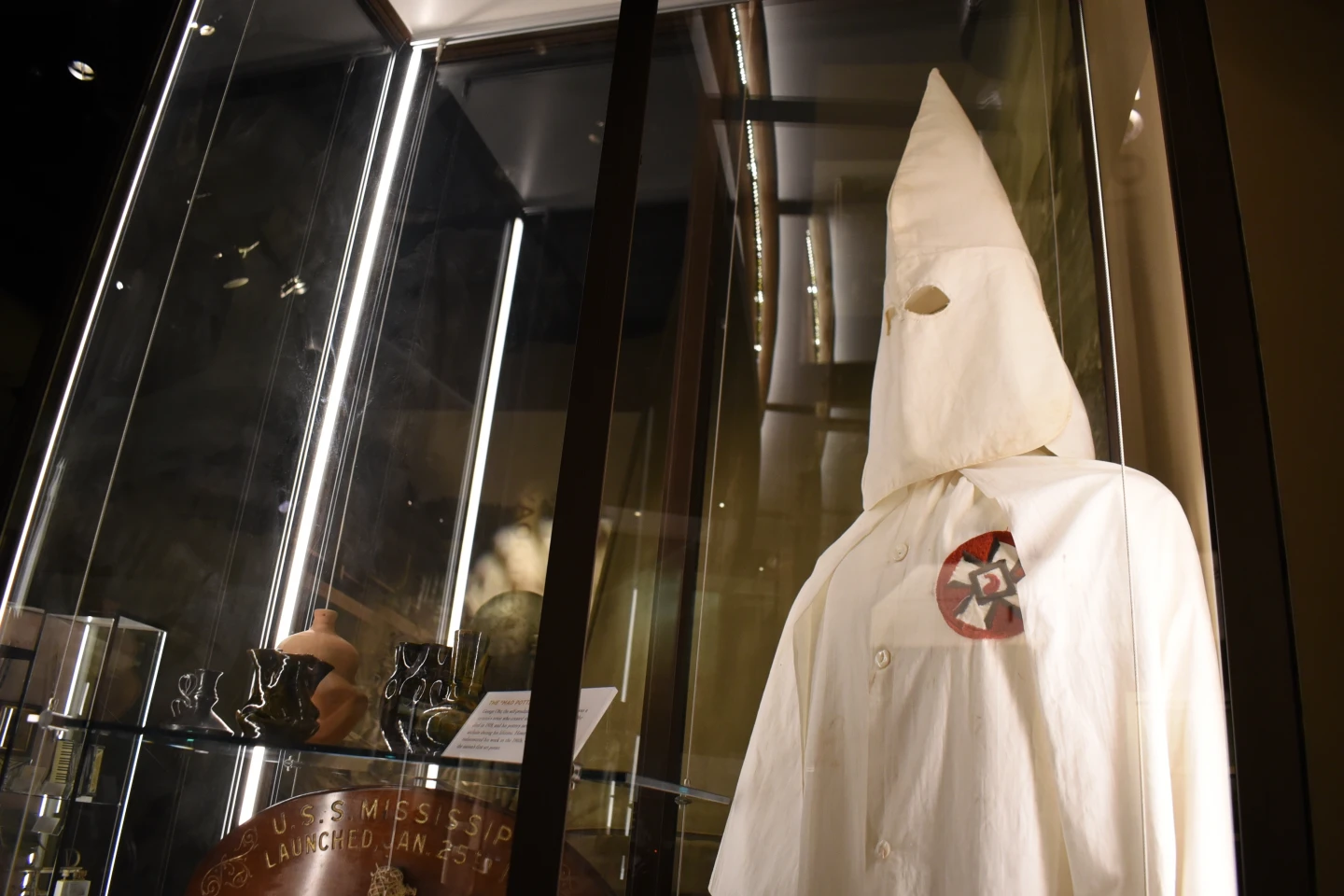
The Two Mississippi Museums complex not only commemorates the state’s troubling history but serves as a centerpiece of Mississippi's America 250 celebrations. “Our aim is to not whitewash our history,” stated state officials, echoing the sentiments of visitors impressed by the museum's honest portrayal of events.
The museum’s approach sharply contrasts with the policies of recent national administrations, where efforts to soften narratives around difficult historical truths have gained momentum. In stark opposition, Mississippi seeks to craft an openly honest historical discourse allowing visitors to confront hard truths. Director Nan Prince emphasized the importance of honesty in the narratives presented, underscoring a commitment to avoiding a sanitized recounting of events.
As individuals walk through the museum, they encounter a narrative filled with poignant moments of pain and resilience, from the forced removal of Native Americans to recent civil rights movements. The juxtaposition of achievement with a dark past, housed in the same spaces, invites contemplation on Mississippi's legacy.
Jackson’s Mayor John Horhn highlighted this initiative; reflecting on the importance of honesty in recounting history. “What we want is for people to confront the truths of our past—acknowledging that while our history is filled with challenges, it also shows the progress that can be made,” he stated.