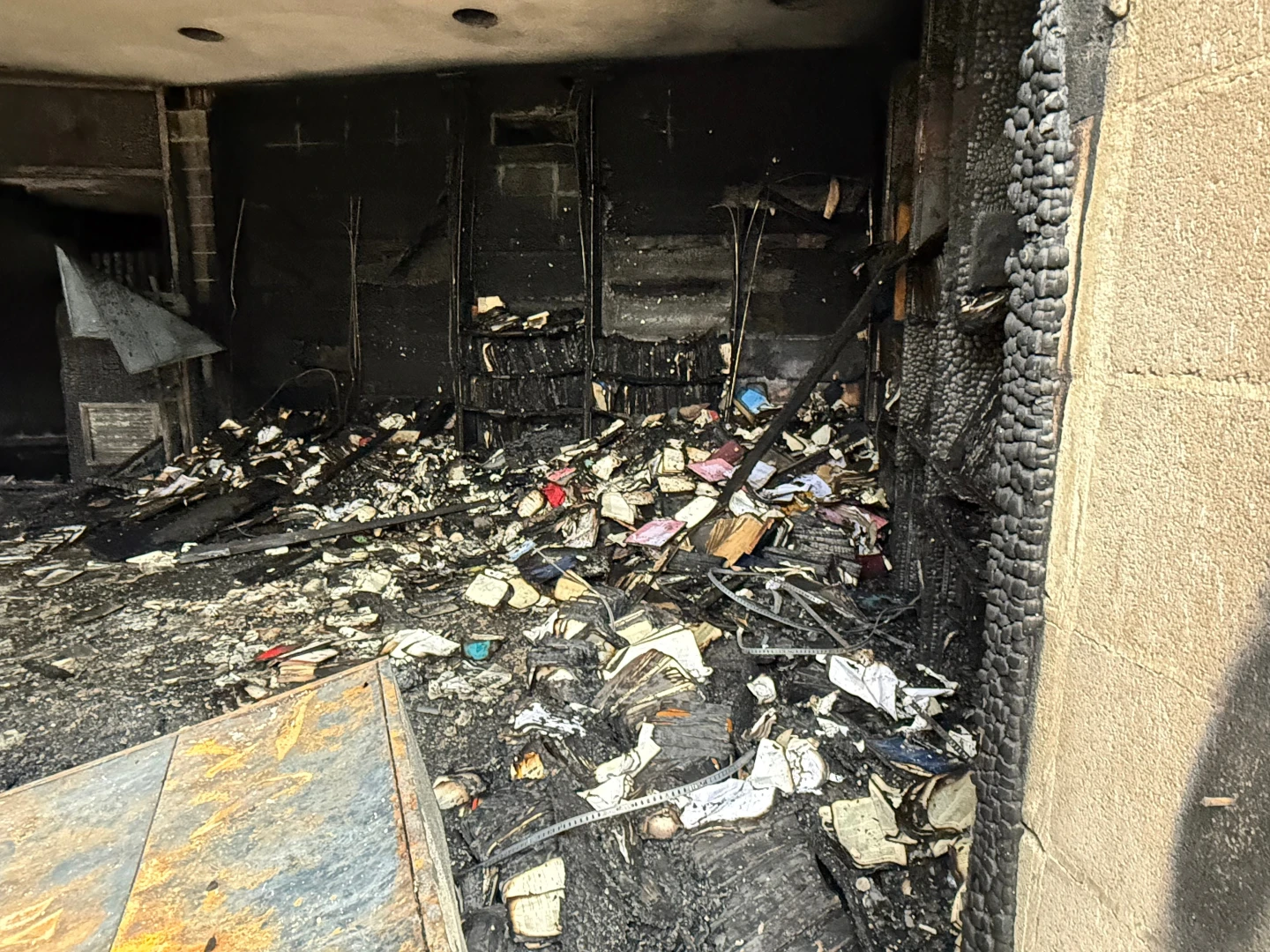
JACKSON, Miss. — The FBI has charged Stephen Spencer Pittman for allegedly setting fire to a Mississippi synagogue, citing his motives linked to its Jewish heritage. According to the affidavit, Pittman confessed to starting the blaze at the Beth Israel Congregation shortly after 3 a.m. on Saturday. Security footage revealed a masked individual using a gas can to initiate the fire, which caused extensive damage, particularly to the synagogue's library and administrative offices. Fortunately, no injuries were reported.
Pittman, who referred to the synagogue derogatorily in an interview with law enforcement, reportedly purchased gasoline before using an ax to break a window and starting the fire with a torch lighter. The FBI also recovered a burned cell phone and a torch believed to belong to Pittman from the scene.
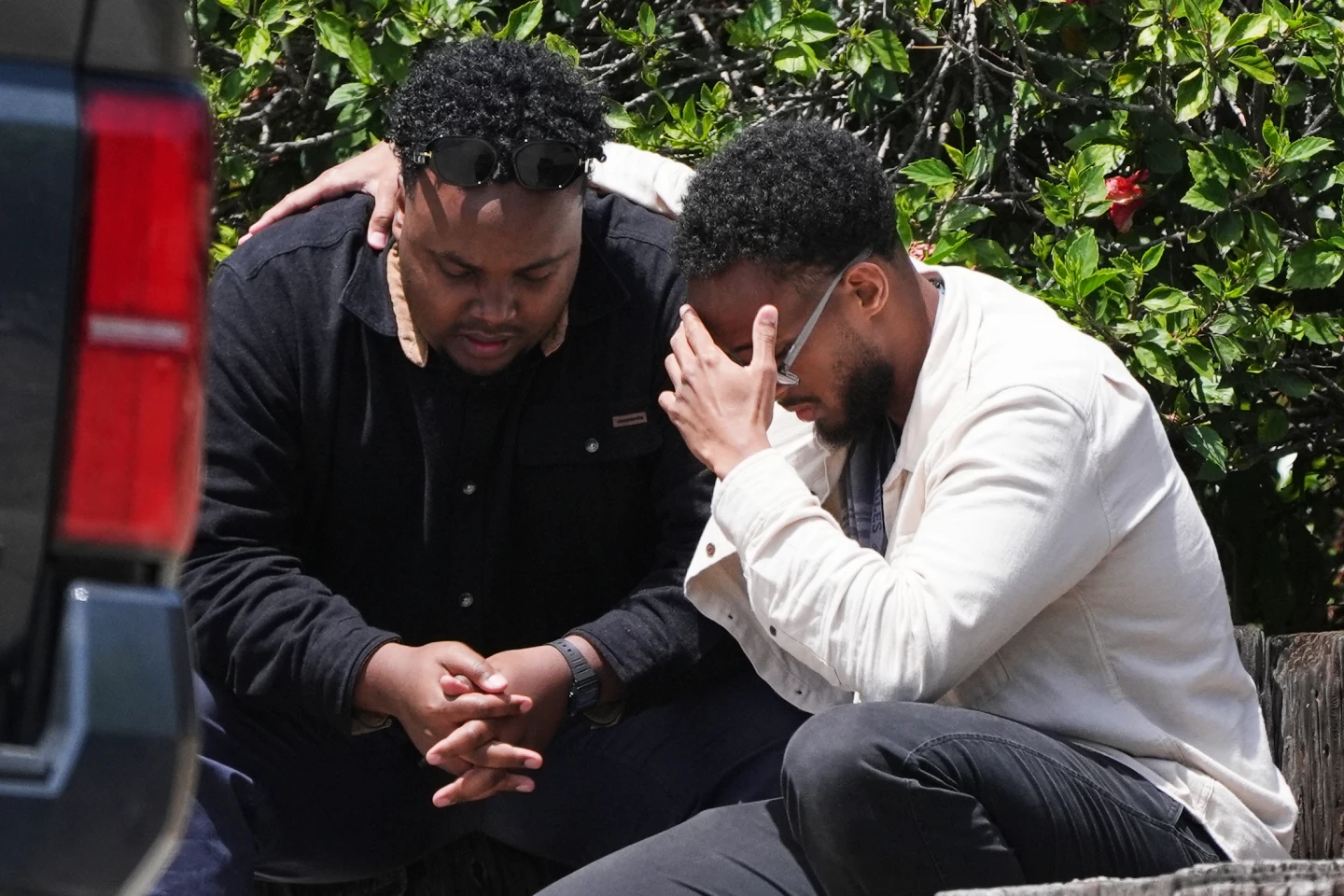
The congregation's president, Zach Shemper, has expressed resilience, stating plans to rebuild the beloved institution, which has served the local Jewish community for over 160 years. Shemper highlighted the support from neighboring churches in providing worship facilities during the rebuilding process.
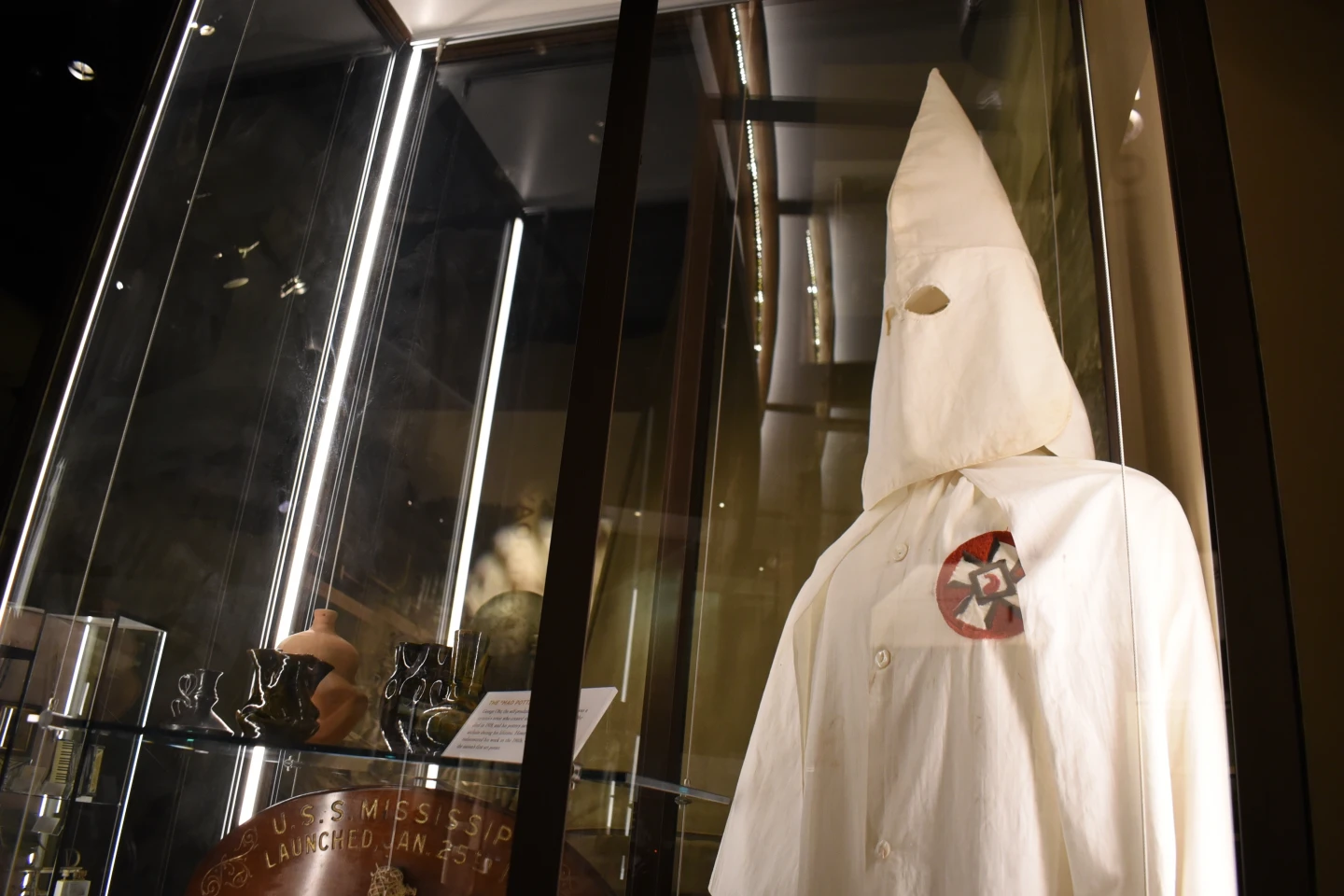
This incident recalls a painful chapter in the synagogue's history, where it was previously targeted by the Ku Klux Klan for its civil rights activism, further emphasizing the longstanding challenges faced by the Jewish community in Mississippi's capital. Amidst the destruction, members take pride in their heritage, with key sacred artifacts surviving the fire, including a Torah that endured the Holocaust. Community members are left mourning but are committed to upholding their traditions in the heart of the Deep South.
Pittman, who referred to the synagogue derogatorily in an interview with law enforcement, reportedly purchased gasoline before using an ax to break a window and starting the fire with a torch lighter. The FBI also recovered a burned cell phone and a torch believed to belong to Pittman from the scene.
The congregation's president, Zach Shemper, has expressed resilience, stating plans to rebuild the beloved institution, which has served the local Jewish community for over 160 years. Shemper highlighted the support from neighboring churches in providing worship facilities during the rebuilding process.
This incident recalls a painful chapter in the synagogue's history, where it was previously targeted by the Ku Klux Klan for its civil rights activism, further emphasizing the longstanding challenges faced by the Jewish community in Mississippi's capital. Amidst the destruction, members take pride in their heritage, with key sacred artifacts surviving the fire, including a Torah that endured the Holocaust. Community members are left mourning but are committed to upholding their traditions in the heart of the Deep South.