In brief
Itamar Ben‑Gvir, once rejected from the army for his extreme views, now counts vast support among Israel’s youth on the eve of national elections. Polls show more than 16% of first‑time voters plan to back far‑right parties while almost three‑quarters see themselves as right‑leaning. Young voters, shaped by recent security crises, are drawn to Ben‑Gvir’s messages of strength and security, using TikTok and Instagram to rally support. The election is a tight contest between government allies and opposition blocs, with new voters poised to decide the outcome. Reports highlight how far‑right rhetoric is amplified on social media and how younger Israelis wrestle with shifting identities amid ongoing conflict.
When Israel’s far‑right National Security Minister, Itamar Ben‑Gvir, reached voting age, he was rejected from the army for being too politically extreme.
His hard‑line stance remains unchanged, but the political landscape has shifted. Once sidelined, he now commands a seat in Israel’s governing coalition and has built a formidable base among first‑time voters.
Youth rallies around Ben‑Gvir on election day.
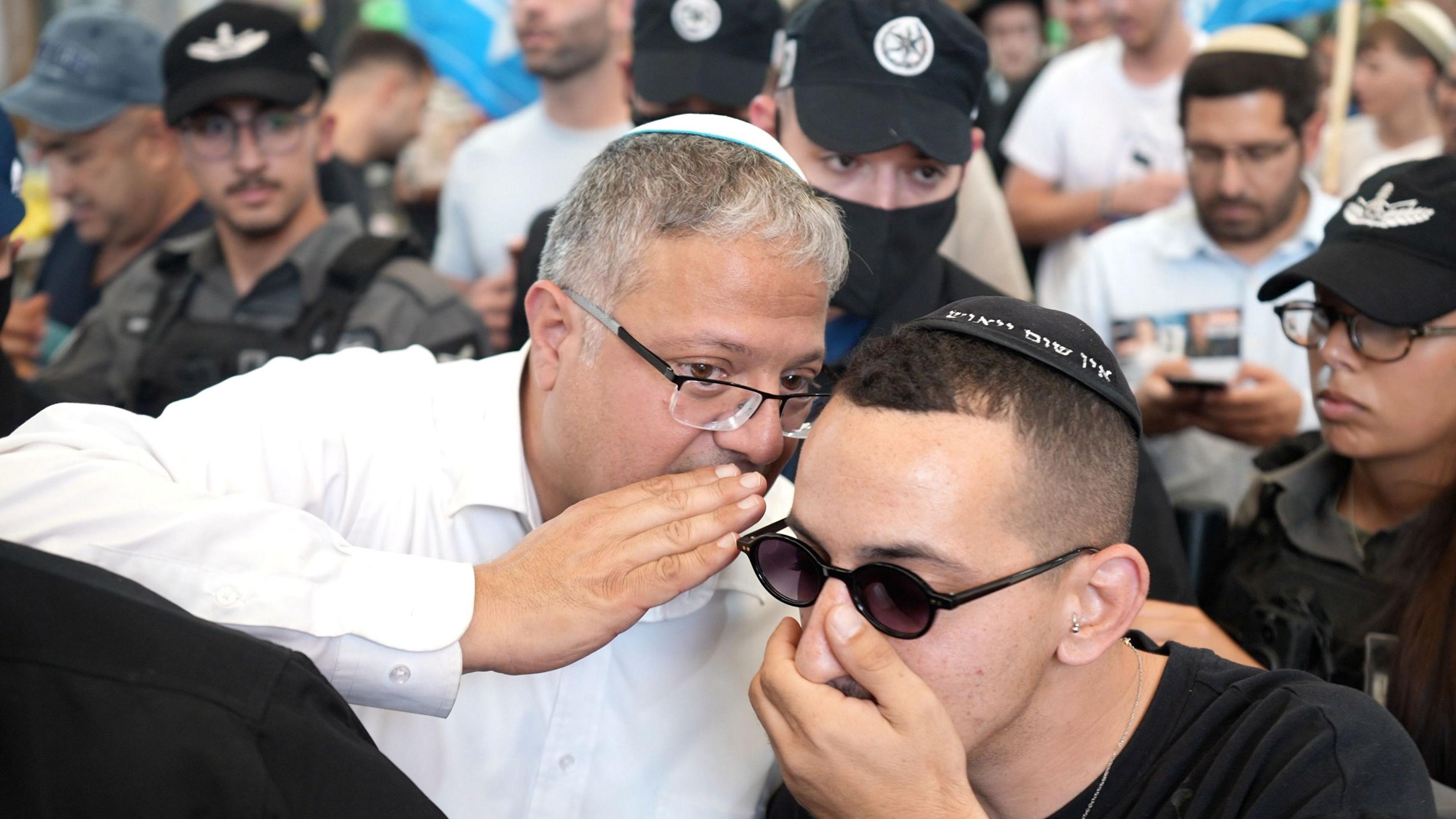
In the bustling market of Ramle, Ben‑Gvir was surrounded by a lively crowd of fresh‑faced supporters waving large party flags while an entourage of security men marched alongside. “We see the support, we see the love, we want to win!” he shouted in front of a packed street.
Polling reveals a tight race.
More than 16% of first‑time voters plan to back far‑right parties such as Jewish Power or the Religious Zionism group led by Bezalel Smotrich, according to a Yedioth Ahronoth poll. Nearly three quarters of new voters identify as right‑ or centre‑right, per Channel 12 data. With over half a million newcomers to the electorate, their votes could tip the balance.
How the youth feel.
Young voters say Ben‑Gvir epitomises security. A 20‑year‑old Mordechai said, “Itamar gives me a sense of safety,” and added, “90% of the things he says are amazing.” A 18‑year‑old Nadav welcomed the promise of having a back‑up when they join the army. Another 23‑year‑old Meir Schreiber linked the Hamas attacks to a need for a tough leader, citing the 7 October events as a turning point.
Opposition fights for attention.
The opposition, moving in the same tight contest, is courting the youth with warnings about threats to democracy, short videos, and younger candidates. Reports show that many first‑time voters are motivated but skeptical of traditional institutions, relying more on TikTok and Instagram for news.
Social media as a battleground.
Ben‑Gvir’s mastery of TikTok and Instagram has made him the most viewed figure on the platforms, surpassing former PM Naftali Bennett for a brief period. Young Israelis get the majority of their information from short‑form video, shaping how they perceive security and identity.
A divided nation waits for the outcome.
Although many new voters lean right, the country remains sharply split over who safeguards Israel’s future. An election the world is watching will decide whether the far‑right’s message of strength prevails or if a more moderate voice gains ground.