MARGARITA ISLAND, VENEZUELA — A catastrophic collision between the Venezuelan-flagged oil tanker *Mariana* and a commercial cargo vessel has unleashed a 200,000-liter crude oil spill into Venezuela's Caribbean waters, triggering an urgent environmental crisis. The incident occurred early Tuesday morning near Puerto Cabello, with thick black plumes visible across 15 kilometers of coastline as winds intensified the slicks toward sensitive marine ecosystems.
According to the Venezuelan Ministry of Environment, the spill has already contaminated key fisheries zones used by over 1,200 local fishermen, with coastal mangroves and coral reefs showing severe damage. 'This is our livelihood,' said Maria Lopez, a 45-year-old fisherwoman, as her nets were coated in oil. 'The water is turning into tar—how can we catch anything now?'
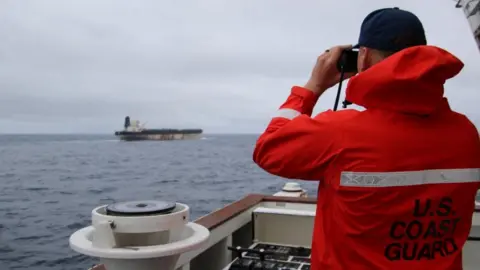
International emergency protocols were activated as the oil spread toward the protected La Restinga Marine Reserve. The U.S. Coast Guard confirmed deploying two specialized response teams to assist Venezuelan authorities, though logistical challenges persist due to ongoing political tensions in the region. Environmental agencies warn of long-term risks: crude oil exposure can destroy coral reproduction cycles for decades, with potential ripple effects on Caribbean tourism revenue estimated at $2.8 billion annually.
The collision reportedly occurred during heavy fog, with authorities attributing the accident to navigational errors. Oil industry analysts estimate recovery costs could exceed $500 million, straining Venezuela's already fragile economy. Meanwhile, grassroots groups organized beach cleanups near the spill zone, distributing oil-absorbent booms to volunteers while urging global pressure on the Venezuelan oil ministry to implement stricter maritime safety protocols.}
According to the Venezuelan Ministry of Environment, the spill has already contaminated key fisheries zones used by over 1,200 local fishermen, with coastal mangroves and coral reefs showing severe damage. 'This is our livelihood,' said Maria Lopez, a 45-year-old fisherwoman, as her nets were coated in oil. 'The water is turning into tar—how can we catch anything now?'
International emergency protocols were activated as the oil spread toward the protected La Restinga Marine Reserve. The U.S. Coast Guard confirmed deploying two specialized response teams to assist Venezuelan authorities, though logistical challenges persist due to ongoing political tensions in the region. Environmental agencies warn of long-term risks: crude oil exposure can destroy coral reproduction cycles for decades, with potential ripple effects on Caribbean tourism revenue estimated at $2.8 billion annually.
The collision reportedly occurred during heavy fog, with authorities attributing the accident to navigational errors. Oil industry analysts estimate recovery costs could exceed $500 million, straining Venezuela's already fragile economy. Meanwhile, grassroots groups organized beach cleanups near the spill zone, distributing oil-absorbent booms to volunteers while urging global pressure on the Venezuelan oil ministry to implement stricter maritime safety protocols.}