In brief
President Lula announced Brazil’s latest oil discovery in deep waters off the Amazon, touting it as a catalyst for the nation’s future. The find, discovered by Petrobras’s flagship exploration, has sparked conflict with environmentalists over potential oil spills in a biodiverse area. While Lula insists the discovery will help finance Brazil’s shift to renewables, critics argue it threatens the Amazon’s fragile ecosystem. The decision also raises questions about Brazil’s energy policy amid upcoming elections. The revelation could reshape Brazil’s economic and environmental landscape, as it balances development with conservation.
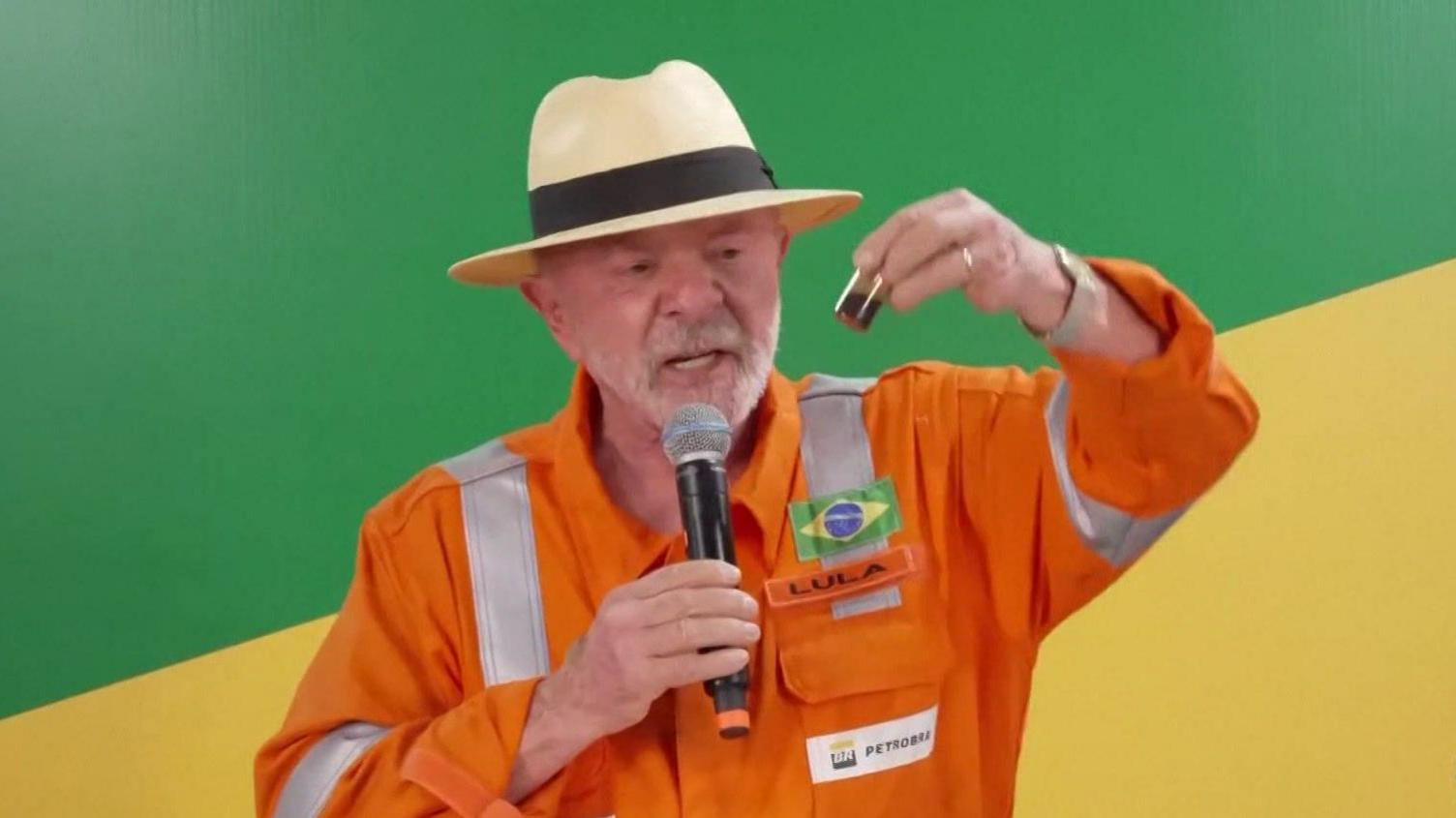
President Luiz Inácio Lula da Silva announced today that Brazil had discovered a new oil field 175 kilometres (110 miles) off the mouth of the Amazon River, a find made by the state‑run oil company Petrobras amid a broader push for energy expansion.
Petrobras’s exploration well, located at a depth of 2,886 metres (9,469 feet), produced a small but promising sample of oil that the company said could confirm its long‑running optimism about the Brazilian Equatorial Margin. However, the exact size of the field and whether extraction would be commercially viable remain uncertain.
The discovery ignites sharp debate among environmentalists who point out that the area is one of the most biodiverse in the world, warning that any spill could harm coral reefs, wetlands and vital wildlife corridors, potentially carrying oil away from the coast to protected riverine environments.
Lula, who is campaigning for a second presidential term in the October elections, framed the new find as a "passport to the country's future" and stressed that oil revenues would help fund Brazil’s long‑term transition to renewable energy. He also re‑affirmed his stance on national sovereignty, dismissing foreign criticism as "meddling" and asserting that Brazil would not accept interference in its oil‑exploration policy.
The announcement came a few weeks before the COP30 climate conference that was hosted in Brazil last November, a timing that heightened tensions between economic development and environmental protection groups. Lula’s decision to green‑light exploration, despite the controversy, was defended as a strategic move to protect national interests and ensure the country’s energy security.
Locally, the upcoming drilling has already spurred economic optimism in Oiapoque, a remote town in the state of Amapá, where increased employment opportunities are drawing more residents and boosting infrastructure demands. The influx has been described by local housing authorities as a sign of growth linked to the potential oil boom.
With the presidential election only two months away, Lula faces the challenge of appealing to voters who seek job creation and prosperity in Brazil’s far reaches while also convincing them that the country can protect its most valuable natural asset: the Amazon rainforest.