In brief
As the longest government shutdown in U.S. history approaches its end, both Democrats and Republicans are facing backlash for their roles in the standoff. Essential funding bills have been agreed upon, yet major demands remain unmet. The shutdown has significantly impacted federal workers, travelers, and food assistance programs, leading to increased financial stress for many families. The agreement reached is set to provide temporary relief but raises ongoing concerns regarding healthcare costs and political accountability.
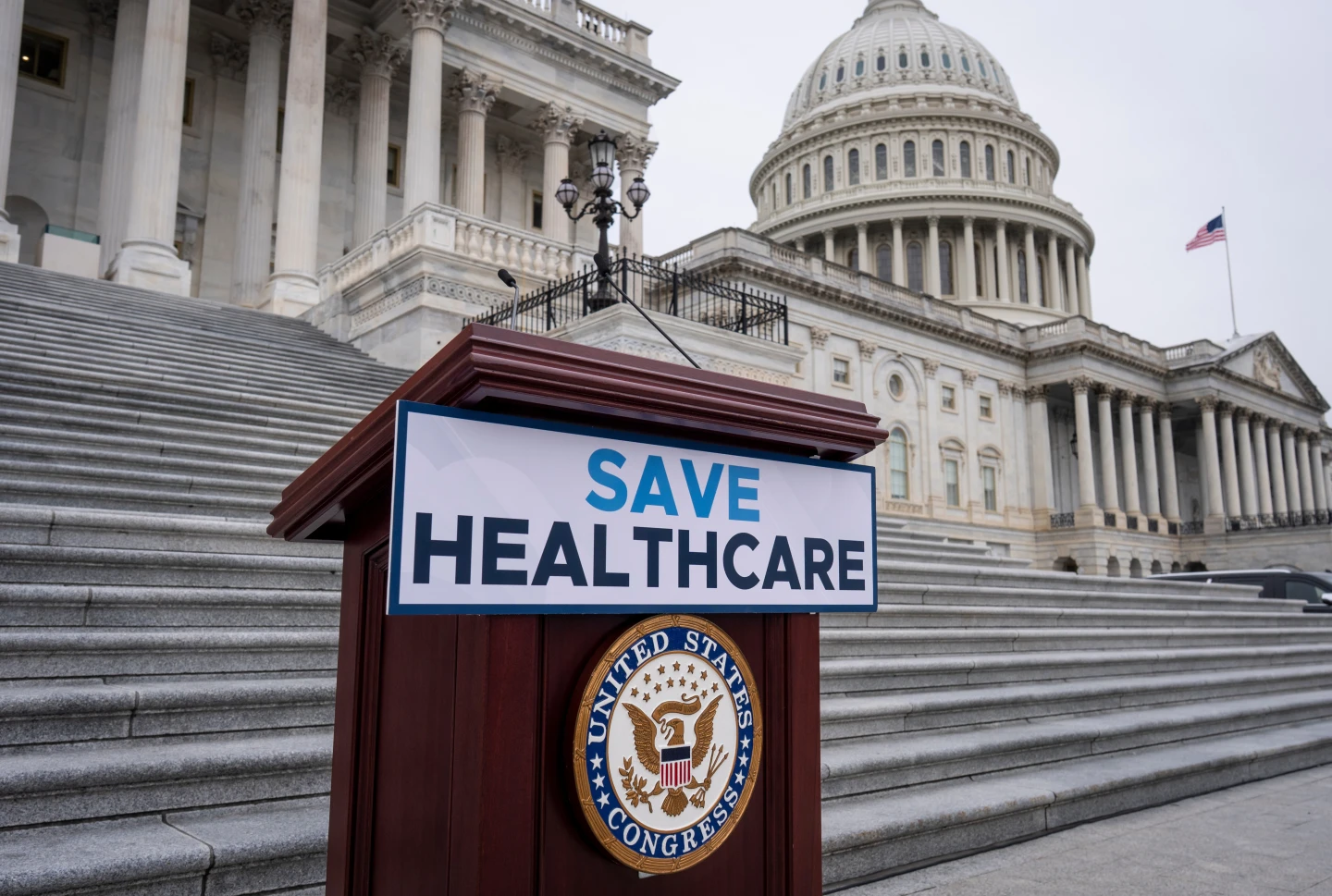
As the historic government shutdown moves into its 43rd day, it appears on the verge of resolution, yet satisfaction remains elusive among all parties involved. Democrats were unable to secure crucial provisions related to health insurance in the funding agreement while Republicans, in control of Congress, also face blame following recent disappointing election results. The effects of the shutdown have reverberated across the nation, affecting millions, from furloughed federal workers to travelers experiencing canceled or delayed flights. Food assistance programs, critical to many, have seen interruptions, leading to longer lines at food banks just as the holiday season approaches.The agreement reached includes bipartisan legislation from the Senate Appropriations Committee, ensuring funding for programs like food aid and veteran support. Meanwhile, the funding freeze extends until the end of January, giving lawmakers additional time to finalize future spending plans. The roots of this shutdown trace back to demands from Democrats to extend enhanced tax credits linked to health coverage, which are set to expire shortly, threatening to double insurance premiums for many families and potentially leaving over two million without coverage.Democrats expressed frustration over the lack of negotiations as Republicans struggled to maintain a united front in the face of public disapproval. Polls suggest a majority of Americans hold both parties accountable for the shutdown, complicating their political narratives as they prepare for upcoming elections. The estimated economic impact of the shutdown has reached approximately $11 billion, according to the Congressional Budget Office, highlighting the broader repercussions of this prolonged standoff.Senate Democratic Leader Chuck Schumer and his colleagues continue to grapple with internal pressures while aiming to garner bipartisan support in future discussions. As the shutdown concludes, the ongoing healthcare debate remains unresolved, raising questions about the legislative priorities that lie ahead.