In brief
Amid a fragile cease‑fire, Iran’s surprise attack on a U.S. base in Jordan ends the pause and suggests a strategy that values limited hostilities over peace. Washington’s reluctance to spread the conflict regionally preserves a balance of power, but restricts Iran’s bargaining position in the Strait of Hormuz. Tehran may see sustained pressure as a way to keep sanctions in place and shape maritime rules, while also rallying domestic support through nationalist sentiment. The gamble is risky: any misstep could trigger broader conflict and harsher international sanctions.
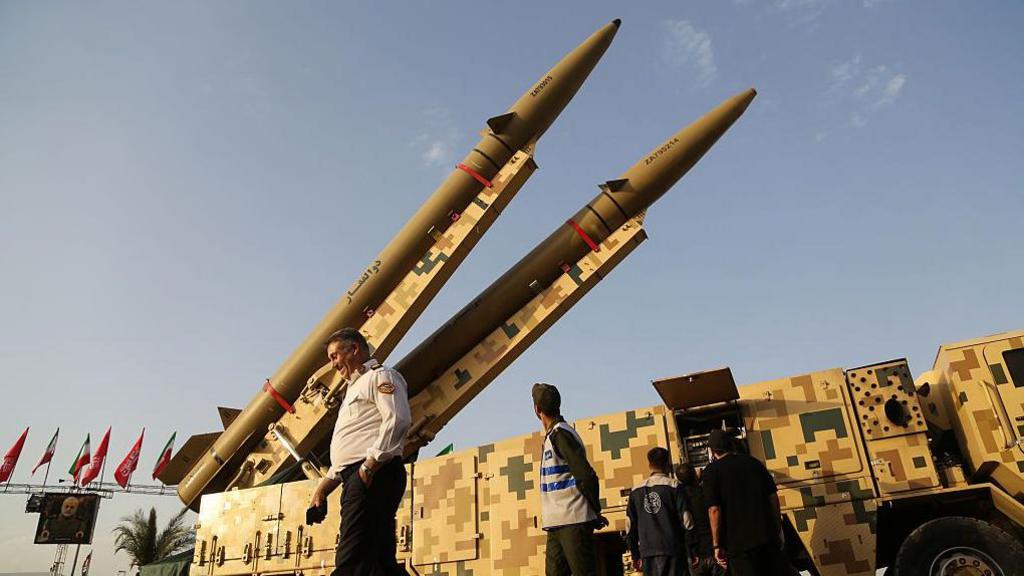
Recent retaliation by Iran on a U.S. facility in Jordan shows the regime’s willingness to reset the cease‑fire and restart hostilities. Analysts argue that Tehran’s calculation hinges on the tactical advantage of a controlled conflict that keeps its geopolitical leverage alive while capping damage to its fragile economy.
The U.S. is reluctant to broaden the fight into regional war, fearing disruptions to energy supply and strained military resources. If the U.S. keeps a low‑profile stance, Iran could maintain pressure on the Strait of Hormuz, influencing shipping rules and keeping sanctions in place.
Domestically, a sustained conflict could rally nationalist sentiment and justify tougher security measures, easing immediate political pressure even as the economy continues to suffer. Yet the risk that a limited war escalates remains, with potential for wider sanctions and a possible shift in international support.