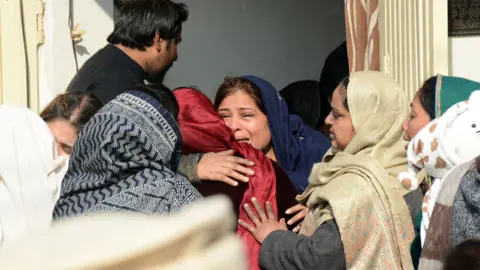
A referee and a student are among hundreds of people reportedly killed during massive anti-government protests in Iran. Coach Amir Mohammad Koohkan, 26, was hit by live ammunition on 3 January during protests in the town of Neyriz, his friend told BBC Persian. 'Everyone knew him for his kindness', they said, adding his family is grieving and 'angry because he was killed by the regime'.
Five days later, student Rubina Aminian, 23, was shot from behind during a protest in Tehran, according to human rights groups. 'She fought for things she knew were right', her uncle told CNN.
Nearly 500 protesters and 48 security personnel have been killed in two weeks of protests, a US-based rights group says. Sources in Iran have indicated that the death toll may be significantly higher than reported.
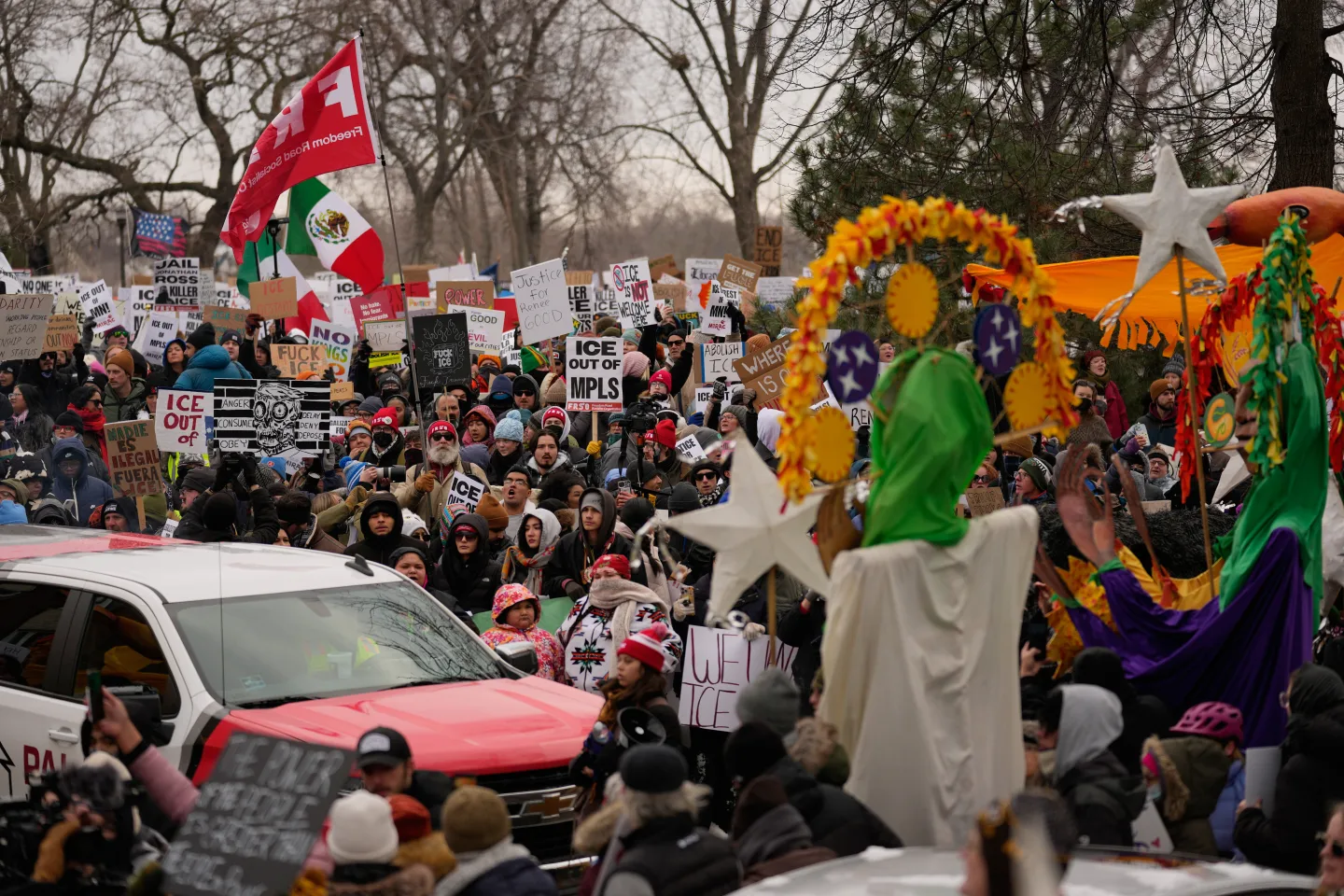
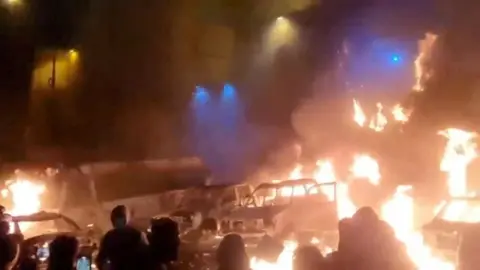
The protests, which began on 28 December in response to economic issues, have spread to 186 cities and all 31 provinces, forming the largest demonstrations in Iran in years. Calls for the end of the Islamic Republic have grown stronger, leading to a harsh government crackdown with at least 10,600 arrests reported.
Reports from medical staff indicate that hospitals are overwhelmed with dead and injured protesters. On 9 January, a local hospital collected 70 bodies, and visual evidence suggests a severe crisis in morgues across the capital.
Amir Mohammad Koohkan was remembered as a kind and beloved coach, while Rubina Aminian was celebrated for her courage and activism for women's rights. As the protests reignite historical discontent, Iranian authorities face increased scrutiny from international observers and political leaders regarding their response.
Five days later, student Rubina Aminian, 23, was shot from behind during a protest in Tehran, according to human rights groups. 'She fought for things she knew were right', her uncle told CNN.
Nearly 500 protesters and 48 security personnel have been killed in two weeks of protests, a US-based rights group says. Sources in Iran have indicated that the death toll may be significantly higher than reported.
The protests, which began on 28 December in response to economic issues, have spread to 186 cities and all 31 provinces, forming the largest demonstrations in Iran in years. Calls for the end of the Islamic Republic have grown stronger, leading to a harsh government crackdown with at least 10,600 arrests reported.
Reports from medical staff indicate that hospitals are overwhelmed with dead and injured protesters. On 9 January, a local hospital collected 70 bodies, and visual evidence suggests a severe crisis in morgues across the capital.
Amir Mohammad Koohkan was remembered as a kind and beloved coach, while Rubina Aminian was celebrated for her courage and activism for women's rights. As the protests reignite historical discontent, Iranian authorities face increased scrutiny from international observers and political leaders regarding their response.