In brief
The largest ever coral, measured at 34 meters wide, could redefine our understanding of underwater ecosystems amidst climate challenges.
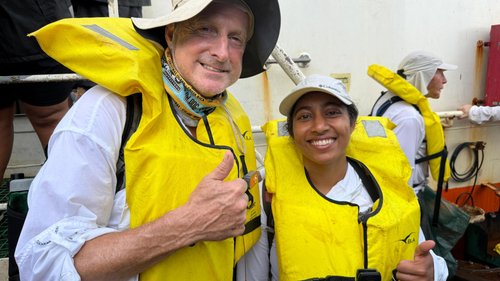
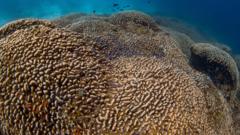
The recently announced discovery of the largest coral in the southwest Pacific Ocean has created significant excitement in the realm of marine science. Measuring an astonishing 34 meters wide, this mega coral is estimated to be over 300 years old, surpassing even the size of a blue whale. The coral was uncovered during an expedition led by a National Geographic team, as they explored how remote marine areas in the Pacific are coping with the pressures of climate change.Videographer Manu San Felix, who was diving in the Solomon Islands, made the discovery while searching for a shipwreck. He described the moment as akin to encountering a "cathedral underwater," filled with emotions and a deep respect for the enduring life form. This coral, a single organism made up of myriad tiny creatures known as polyps, has survived in its location since before the time of Napoleon.Scientists utilized a special underwater tape measure to confirm the coral's dimensions: 34 meters wide, 32 meters long, and 5.5 meters high. It is located in deeper seas, which may have shielded it from the higher temperatures affecting other coral reefs. This find comes at a critical time as the UN climate talks, COP29, convene in Baku, Azerbaijan, where discussions around climate change and marine conservation are paramount.Trevor Manemahaga, the Solomon Islands' climate minister, expressed pride over the discovery, emphasizing the importance of coral to their economy, which heavily relies on marine resources. He underscored the country’s vulnerability to climate change, noting the adverse effects such as severe cyclones and coastline erosion.While many coral reefs worldwide are suffering from climate-induced degradation, the coral discovered in the Solomon Islands appears to be thriving. This specific coral species, Pavona clavus, serves as a habitat for diverse marine life including shrimp and fish. Researchers aim to explore this specimen further to gain insight into historical oceanic conditions, hopeful for lessons that can aid in the fight against coral extinction threats, which have risen significantly in recent years.