Kyushu Earthquake: Japan Mobilises Rescue Teams in 24‑Hour Race Against Rubble
On Tuesday, a 6.8‑magnitude earthquake rattled the island of Kyushu, shattering buildings and the lives of residents in the region. Early data show at least 13 people have lost their lives, while as of this writing, dozens remain missing and thousands have been displaced from their homes.
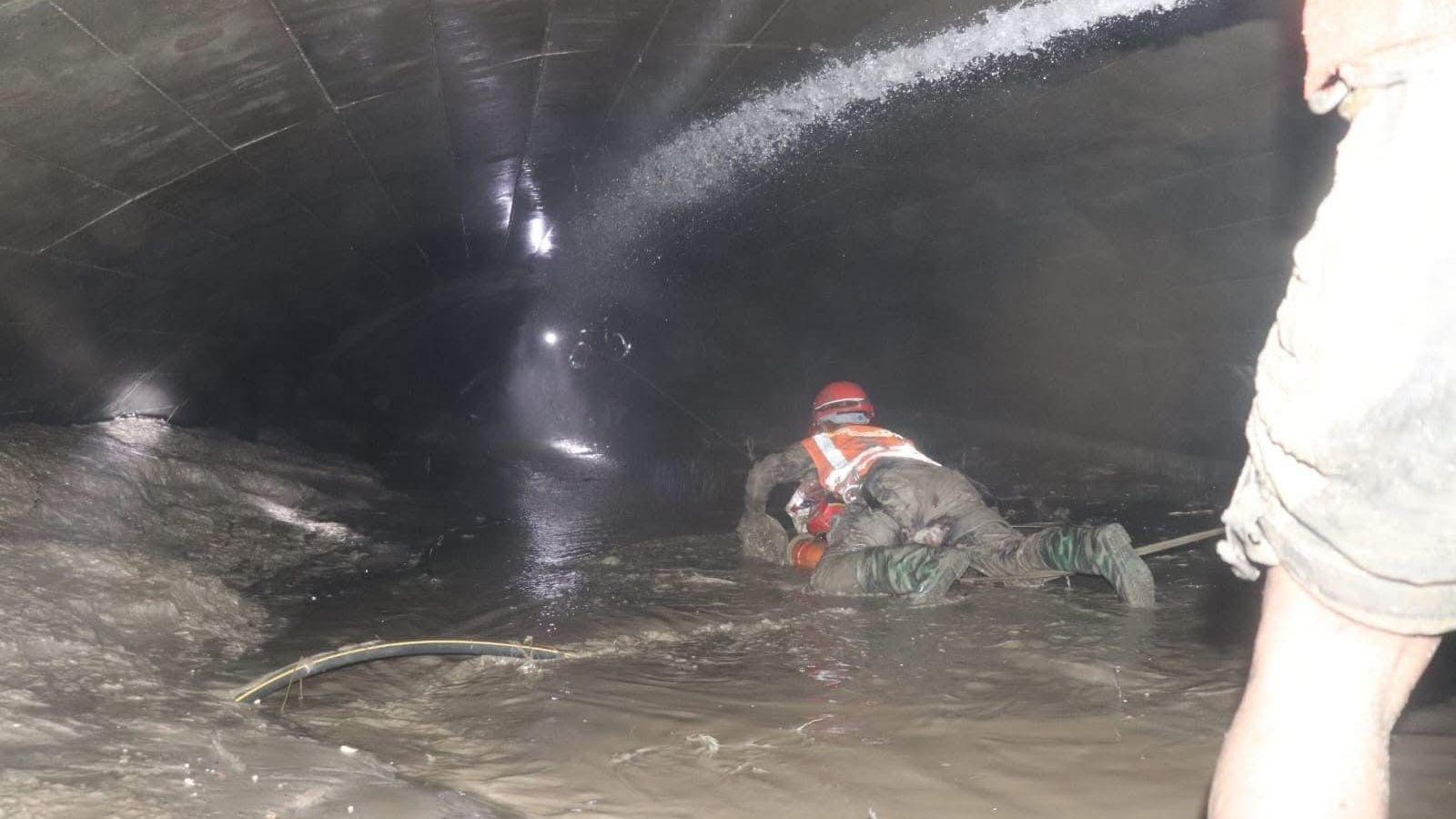
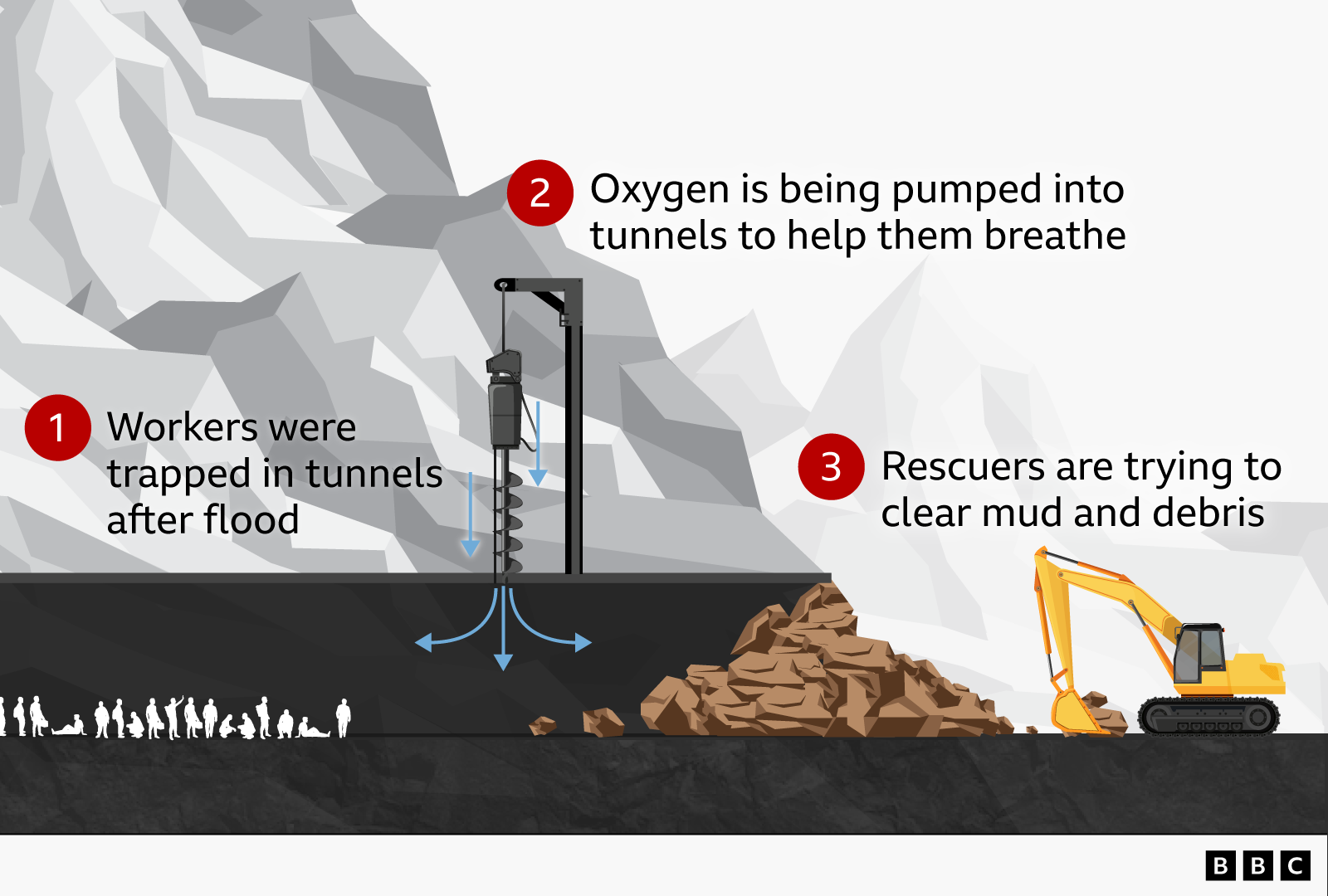
Emergency crews, from local firefighters to national disaster response units, have converged on the most severely damaged areas—particularly Kumamoto and Yatsushiro—executing a 24‑hour recovery operation. They employ heavy‑lift helicopters, specialized collapse‑analysis tools, and high‑magnitude drilling equipment to sift through debris and locate survivors hidden beneath rubble.
The quake’s considerable vibration triggered secondary hazards: landslides obstructing main highways, ruptured gas pipelines that pose explosion risks, and shattered water and power lines that disrupt communication. Rescue teams walk under the constant threat of further collapse and must carry out rapid structural assessments on the ground; any misstep can endanger both the teams and potential victims.
NATIONAL authorities have set up a joint command center to coordinate logistical, medical, and technical support across the affected districts. Satellite and drone imagery is being processed in real time to pinpoint damage hotspots, permitting rescue responders to prioritize missions and carry out safe‑net searches for trapped survivors.
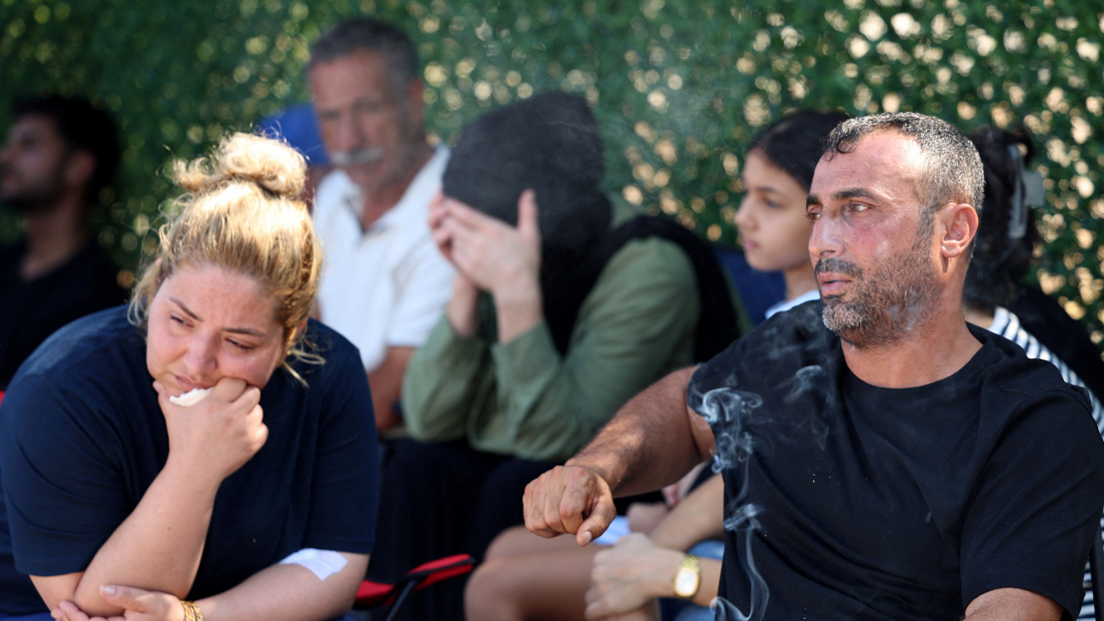
For those displaced, community centers and schools have been temporarily repurposed into relief shelters. Stick‑together bundles of blankets, food rations, and bottled water are distributed under the aegis of local nonprofit organizations, while families are invited to short‑term housing on a temporary basis. Long‑term rehabilitation plans will hinge on both government funding and international humanitarian agencies’ support.
Japan’s strategic emergency‑response framework, built on decades of preparedness and rapid mobilization, now faces real‑time scrutiny. The massive coordination of rescue operations reflects the country’s vigilance in maintaining a readiness posture for future seismic shocks.