In brief
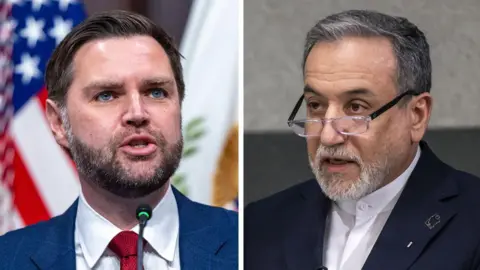
Negotiations between the US and Iran begin in Islamabad, led by Vice President JD Vance and Iranian Foreign Minister Abbas Araghchi. Key concerns arise, including the Strait of Hormuz's shipping rights, Iran's nuclear ambitions, its regional alliances, and sanctions relief. Amidst a tense geopolitical landscape, both sides express cautious optimism as they confront significant obstacles.
The venue is ready, the guards are in place, and the curb along the approach road has received a fresh coat of yellow and black paint. Islamabad awaits.
As hosts of vital US-Iranian talks, Pakistani government officials are making optimistic noises, emphasizing that unlike others, they enjoy the trust of both sides. The man heading the US delegation, Vice President JD Vance, expresses a hopeful tone, stating, If the Iranians are willing to negotiate in good faith, we're certainly willing to extend the open hand. However, he also warns, If they're going to try to play us, then they're going to find the negotiating team is not that receptive. It is fair to say that a whole mountain of obstacles lies ahead.
One major sticking point is the Strait of Hormuz, a crucial oil shipping passage. Donald Trump has criticized Iran for not allowing ships to pass through the Strait despite its earlier assurances. Additionally, Trump declared the need to ensure Iran never possesses a nuclear weapon, further complicating the talks.
The discussions will explore a multitude of contentious issues, including Iran's extensive network of regional allies, ongoing sanctions, and its nuclear program. As expectations clash with diplomatic realities, the possibility of a breakthrough remains uncertain, with both sides seemingly entrenched in their positions.