In brief
Paul Mackenzie, head of the Good News International Ministries cult, was found guilty of 191 murders, predominantly of children, after a 2026 trial in Mombasa. The judge ruled that Mackenzie’s doctrine forbade education and medicine, encouraging followers to starve their children for a promised heavenly union. Eight co‑leaders were also convicted, and a former security chief testified regarding the orchestrated deaths. Shakahola forest now holds more than 400 burial pits, many interring orphaned infants. Mackenzie is set for sentencing on 6 November, with family survivors expressing both grief and a complex sense of allegiance. This case underscores the dangers of extremist religious movements and the importance of safeguarding children's welfare.
Paul Mackenzie, the former pastor behind Kenya’s Shakahola fertility‑mystery cult, has been convicted of 191 murders, including every child in the case, in a verdict handed down by Judge Diana Mochache on 19 October 2026.
According to the judge, Mackenzie’s doctrine forbade education and modern medicine, labeling them as “evil.” He ordered followers to fast until death, promising that children would “meet Jesus” and be celebrated in a post‑humous marriage with God.
Twenty‑eight senior cult members were also found guilty of murder, even though all pleaded not guilty and insisted that the killings were voluntary. Enos Amanya Ngala, an ex‑security chief, turned into a prosecution witness after accepting a plea deal.
A warning appears prior to the verdict, stating the article contains graphic details.
During sentencing, Mackenzie faced the first criminal judgment for the most serious charges. He is scheduled to be formally sentenced on 6 November.
Investigations uncovered more than 400 shallow graves in the Shakahola forest, many containing multiple bodies. Gravediggers described physical evidence of tied hands, wrapped in bedsheets, and children as young as weeks old.
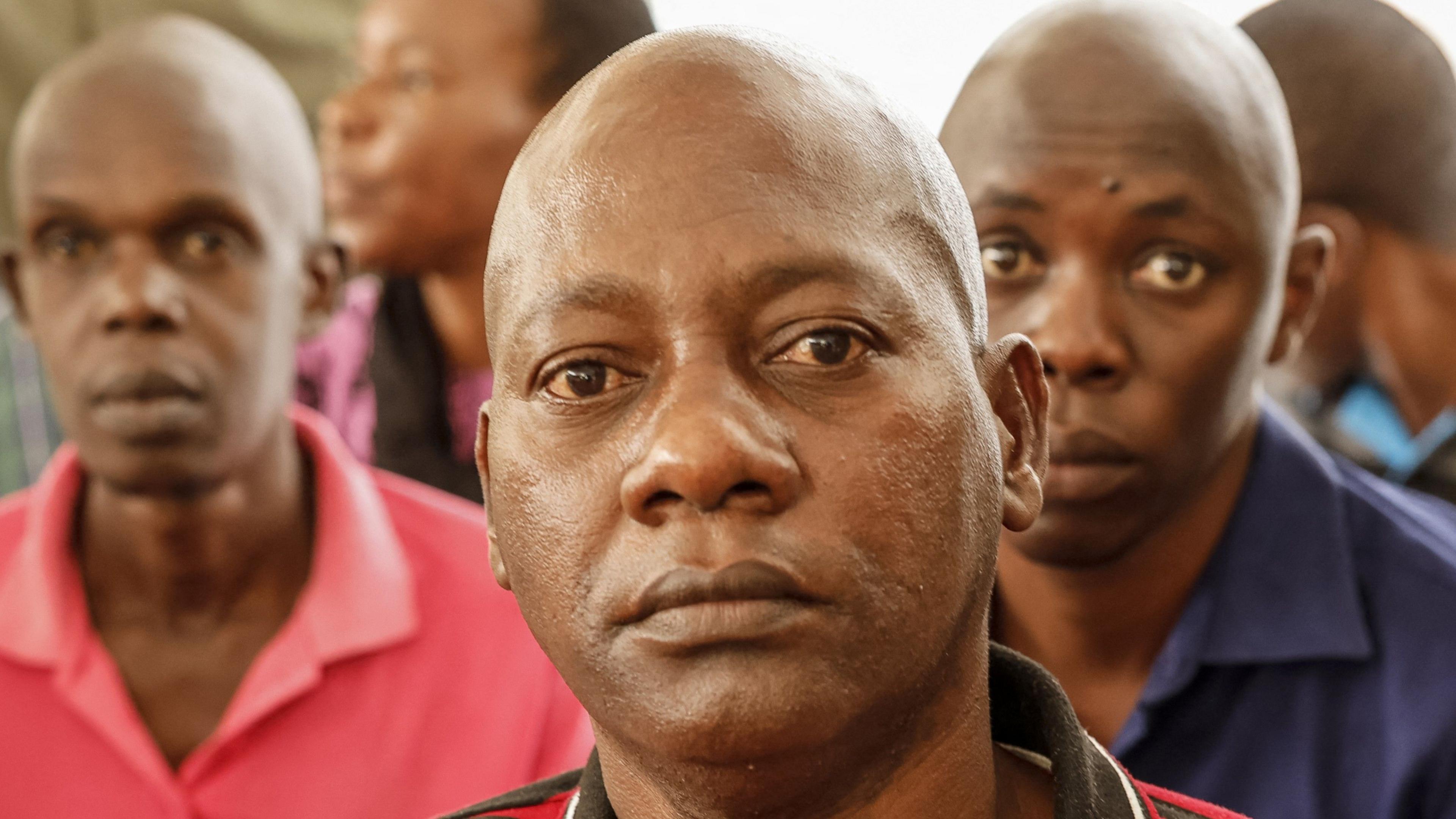
Family survivor Stephen Mwiti, who lost all six of his children to the cult, expressed emotional relief at the verdict, describing the result as “happy” and insisting that all victims were truly Martyrs.
References to Mackenzie’s background highlight his 2003 establishment of Good News International Ministries, the broadcasting of his sermons on Times TV, and a 2019 collapse of his main church. He moved his followers into Shakahola forest, a remote area where followers allegedly lived in mud huts, followed strict fasting, and could not receive external medical care.
The trial revealed that the cult targeted children for starvation, and that punishments for dissent included lashes. The court noted that the graves in the forest were euphemistically called “weddings.”
Despite the church’s violent legacy, some followers, such as Peter Shukrani, maintained a perception of Mackenzie as a benevolent figure, while others, like his son Dan, condemned him as a mass murderer.
This case marks a rare judicial retribution against a Kenyan religious extremist and raises serious questions about how faith‑driven communities can be regulated to protect vulnerable members, particularly children.