In brief
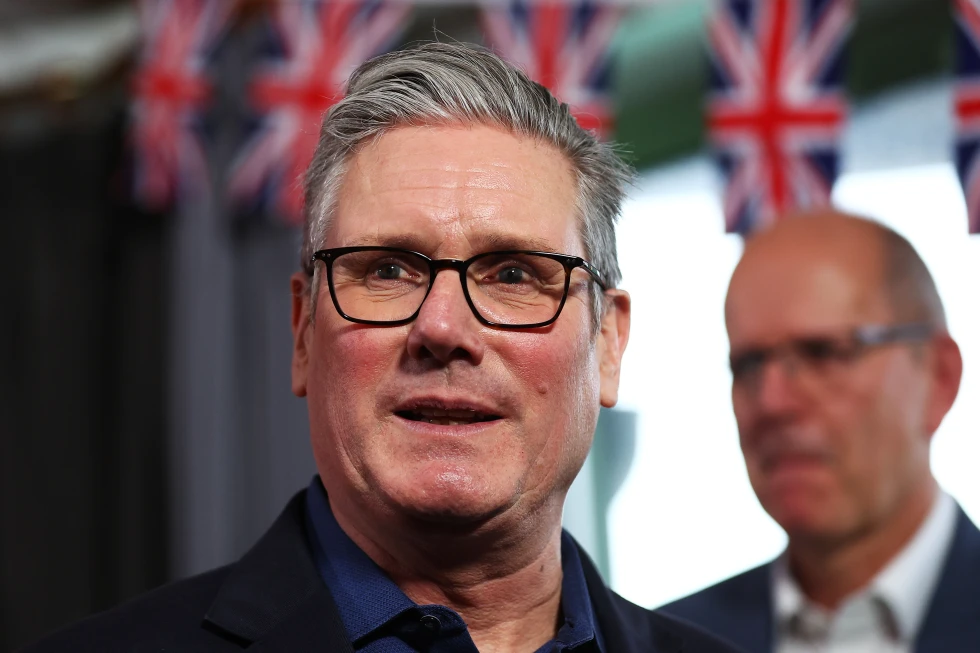
British Prime Minister Keir Starmer's leadership is at risk following a scandal involving the appointment of Peter Mandelson, linked to Jeffrey Epstein. Starmer's chief of staff resigned in the wake of the fallout, with Labour lawmakers increasingly critical. Starmer is set to address party members as he seeks to regain authority amidst calls for accountability and a potential leadership challenge.
LONDON (AP) — The political landscape of Britain is once again unstable as Prime Minister Keir Starmer grapples with a significant leadership crisis within the Labour Party. Starmer is attempting to stave off calls for his resignation after just a year and a half in office, following mounting criticism and a shocking resignation by his chief of staff, Morgan McSweeney.
The root of the turmoil traces back to Starmer's controversial decision in 2024 to appoint Peter Mandelson to a crucial diplomatic position, despite his ties to the disgraced financier, Jeffrey Epstein. New revelations regarding Mandelson's previous association with Epstein have sparked outrage among party members and the public.
Starmer is set to address Labour lawmakers behind closed doors in an effort to mend fractured relationships within the party and reassert his leadership. Critics assert that his failure to adequately vet Mandelson reflects a broader pattern of mismanagement during his tenure.
Responding to the growing scandal, Starmer publicly apologized last week, admitting that he had been misled by Mandelson and has committed to transparency regarding the decision-making process of the appointment.
Police are reportedly investigating Mandelson for potential misconduct in office linked to claims that he shared sensitive governmental information with Epstein. Although he has yet to be arrested or formally charged, the scrutiny over his past intensified following the release of new Epstein files in the United States.
The Labour Party, facing a challenging electoral landscape, has been lagging behind the right-leaning Reform UK in opinion polls, prompting suspicion of a potential leadership challenge even prior to the latest controversies. Internal sources suggest that McSweeney's resignation may provide Starmer the opportunity to refresh his leadership style and regain support.
Starmer's political adversaries, including Conservative leader Kemi Badenoch, have not missed the chance to criticize him, claiming that his decisions have weakened Labour's position. The party's perennial struggle to deliver economic reforms and improve public services has further dulled public confidence in Starmer's leadership.
As the Labour Party contemplates its future, Starmer's ability to unify and inspire confidence in his leadership remains uncertain. Should he be challenged or decide to resign, it would set off a new leadership election within the party, with significant implications for the political future of the UK.