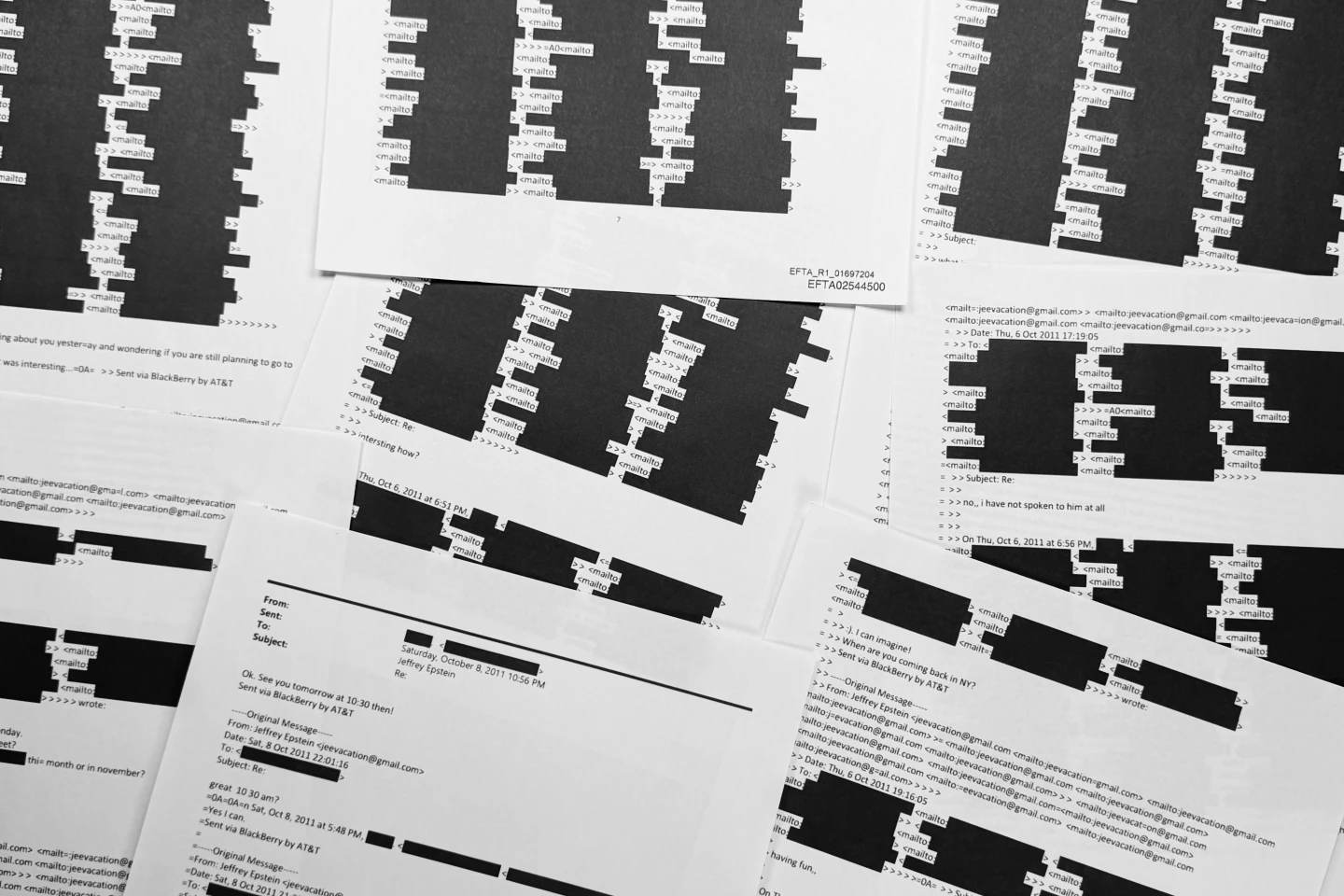
NEW YORK (AP) — The recent release of documents by the U.S. Justice Department regarding Jeffrey Epstein has come under intense scrutiny as the disclosed materials contain significant oversights, exposing sensitive private information of numerous sexual abuse victims intended to be protected. This situation has resulted in public outcry among victims and their advocates, challenging the integrity of the Department's privacy protocols.
Among the exposed details were names and faces of victims, explicit photos, and personal data like bank accounts and Social Security numbers. Although the law governing the disclosure aimed to protect victim anonymity, a review by multiple organizations, including the Associated Press, uncovered glaring inconsistencies in the redaction process.
Notably, police reports included names of victims, some of whom have remained publicly unidentified. Instances of explicit imagery—photographs of young women, including some in compromising situations—were released without redaction, prompting severe concerns regarding privacy violations.
As of late this week, the Justice Department acknowledged the errors and stated they have been attempting to rectify the oversights by taking down problematic materials from their site. However, several photos featuring fully identifiable women remained online despite the department’s commitment to safeguard privacy.
Lawyers representing victims urged the Justice Department to not only remove the sensitive content but also to appoint an independent monitor to oversee the rectification process. Victims expressed feeling betrayed and endangered by the careless handling of their information—citing harmful emotional and psychological impacts resulting from these oversights.
With a hearing scheduled for New York to address the ongoing situation, advocates continue to push for accountability and better protective measures for abuse victims nationwide. The revelation raises serious questions about the effectiveness of the Justice Department's protocols and its ability to safeguard the sensitive information of individuals deserving protection.