In brief
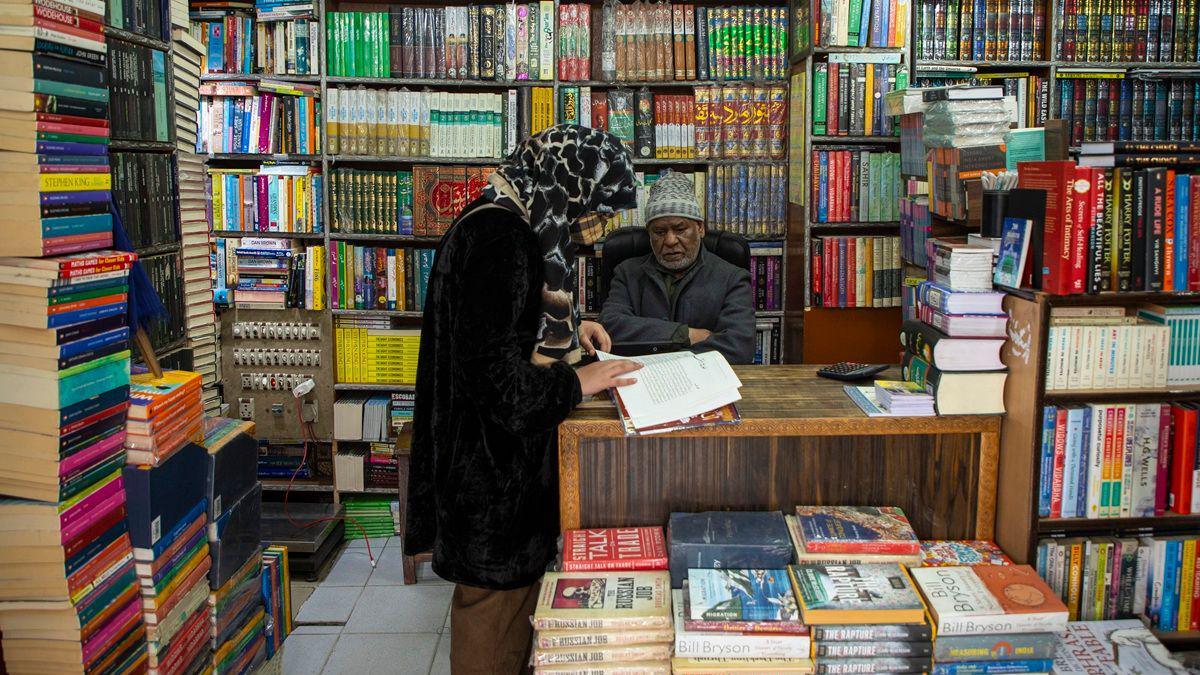
The Indian‑administered government has issued a blanket order demanding every educational institution screen its books and research papers for content deemed potentially harmful to religious sentiments or national security. Critics argue the directive crushes academic freedom and attempts to erase Kashmir’s turbulent past. Supporters say it protects students from extremist propaganda. The move follows earlier disputes over books praising separatist leaders and coincides with increased military presence and recent book raids.
Contrary to popular belief that it is about limiting reading, the new order from Indian‑administered Kashmir authorities is aimed at removing material the state deems "factually inaccurate or unlawful," including content that “promotes or justifies terrorism, extreme or secessionist activities.”
The directive covers schools, colleges, universities and coaching centres, compelling them to screen all published books, research and theses for content that could violate religious sentiments, laws, educational values or national security. Institutions must report any books that wind up as objectionable and can face penalties for retaining them.
Opposition parties, academics and students feel the move is an assault on freedom of expression and a government attempt to rewrite Kashmir’s shared history. The order comes on the heels of protests over two school library books that described separatist leaders as “great personalities” and were subsequently withdrawn following a BJP‑led uproar. Police arrested three people linked to publishing those books and eight officials in the education department were suspended.
Critics point out that since 2019 when the region’s semi‑autonomous status was revoked and direct federal rule imposed, civil liberties have suffered while state control expands. The latest ban is the latest in a series of censorship actions – last year the government banned 25 books, including works by Arundhati Roy and A.G. Noorani – and it is currently being challenged in court.
The government’s stance is that the policy has nothing to do with restricting reading or paper‑free expression but is intended to keep controversial material out of classrooms. BJP spokesperson Sunil Sethi said, people cannot be allowed to glorify separatists in the name of academic freedom and that peace has been restored with great effort, implying any drift toward extremism must be prevented.
Meanwhile, local leaders such as Altaf Bukhari of the Apni Party and spokesperson Imran Nabi Dar have said the crackdown resembles a wider conspiracy to deprive Kashmiris of access to critical historical analysis. Their arguments echo accusations that the order is part of a broader pattern of surveillance and suppression of dissent within the region.