In brief
A severe sandstorm swept through central and southern Iraq recently, turning skies orange and prompting thousands to seek medical assistance for respiratory issues. Experts warn that such storms are becoming more frequent due to climate change, exacerbating drought and desertification in the region.
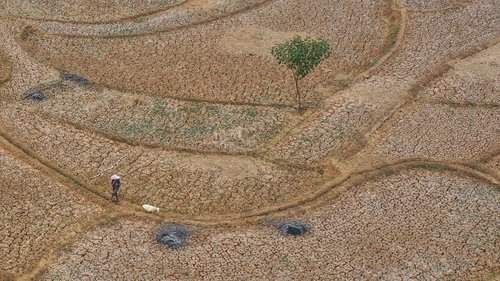
In a significant environmental event, a severe sandstorm has recently engulfed central and southern Iraq, transforming the skies a vivid orange and leaving a trail of respiratory issues in its wake. Reports indicate that visibility dropped to under half a mile, leading to grounded flights and an alarming influx of patients to emergency rooms, with over 3,700 cases of respiratory problems reported.The meteorological department's spokesperson, Amir al-Jabri, explained that the intense dust waves originated from eastern Saudi Arabia, crossing into a similarly barren southwestern area of Iraq. Historically, while sandstorms have periodically disrupted life in Iraq during winter and early spring, climate scientists are now expressing concern that these occurrences are growing increasingly common and severe due to sustained droughts and the expanding desertification of fertile land in both Iraq and neighboring Syria.This latest sandstorm stands as the most intense encountered in 2025, succeeding a comparable event that struck Baghdad last December. With the United Nations classifying Iraq as the fifth most vulnerable nation to climate threats, including escalating heat and water scarcity, these surging weather patterns pose significant challenges.As the storm dissipated recently, it coincided with extreme heat, with southern Iraq experiencing temperatures exceeding 100 degrees Fahrenheit. Responding to the hazardous conditions, many residents resorted to face masks for protection, especially emergency personnel, while homes and vehicles became coated in fine layers of dust.In Basra, the region hit hardest by the storm, authorities reported a high volume of respiratory cases, with 1,000 individuals seeking medical care in this city alone. Muthanna Province, lining the long border with Saudi Arabia, also experienced notable impacts. Fortunately, most patients treated for breathing complications have since been discharged.Local police in Basra issued guidelines for families to help young children cope with the disturbances caused by the storm's sounds, emphasizing the need for reassurance during such unsettling conditions. As Iraq grapples with worsening climate realities, the community remains on alert for more extreme weather in the future.