In brief
Jay Clayton was confirmed as the next Director of National Intelligence by a 51‑47 Senate vote, replacing acting DNI Bill Pulte. The move follows Trump’s earlier nomination of Pulte, which faced backlash over his lack of intelligence experience and forced staff cuts. Clayton, a former U.S. attorney known for high‑profile cases such as the Maduro drug‑trafficking investigation, struck a balance between partisan expectations and the intelligence community’s need for steady leadership. His confirmation may accelerate bipartisan discussions over the renewal of FISA Section 702 and potentially restore confidence in the intelligence apparatus after a period of turbulence. The decision underscores the administration’s push for clearer oversight while maintaining political alignment within key intelligence roles.
Jay Clayton is the new Director of National Intelligence, confirmed by the United States Senate with a 51‑47 vote on Tuesday. The appointment replaces acting DNI Bill Pulte, the former housing regulator whose nomination in June was met with bipartisan criticism due to his lack of intelligence experience and alleged staff cuts.
Clayton previously served as the U.S. attorney for the Southern District of New York, overseeing high‑profile prosecutions, most notably the case against former Venezuelan president Nicolás Maduro. He is also a former securities regulator and federal prosecutor, lending him a mix of legal and executive credentials.
After the confirmation vote, President Donald Trump praised Clayton on Truth Social, labeling him “outstanding in every way.” Trump’s endorsement comes after Trump’s brief attempt to reboot congressional negotiations on FISA Section 702, which allows the U.S. government to collect communications involving foreigners abroad without a warrant.
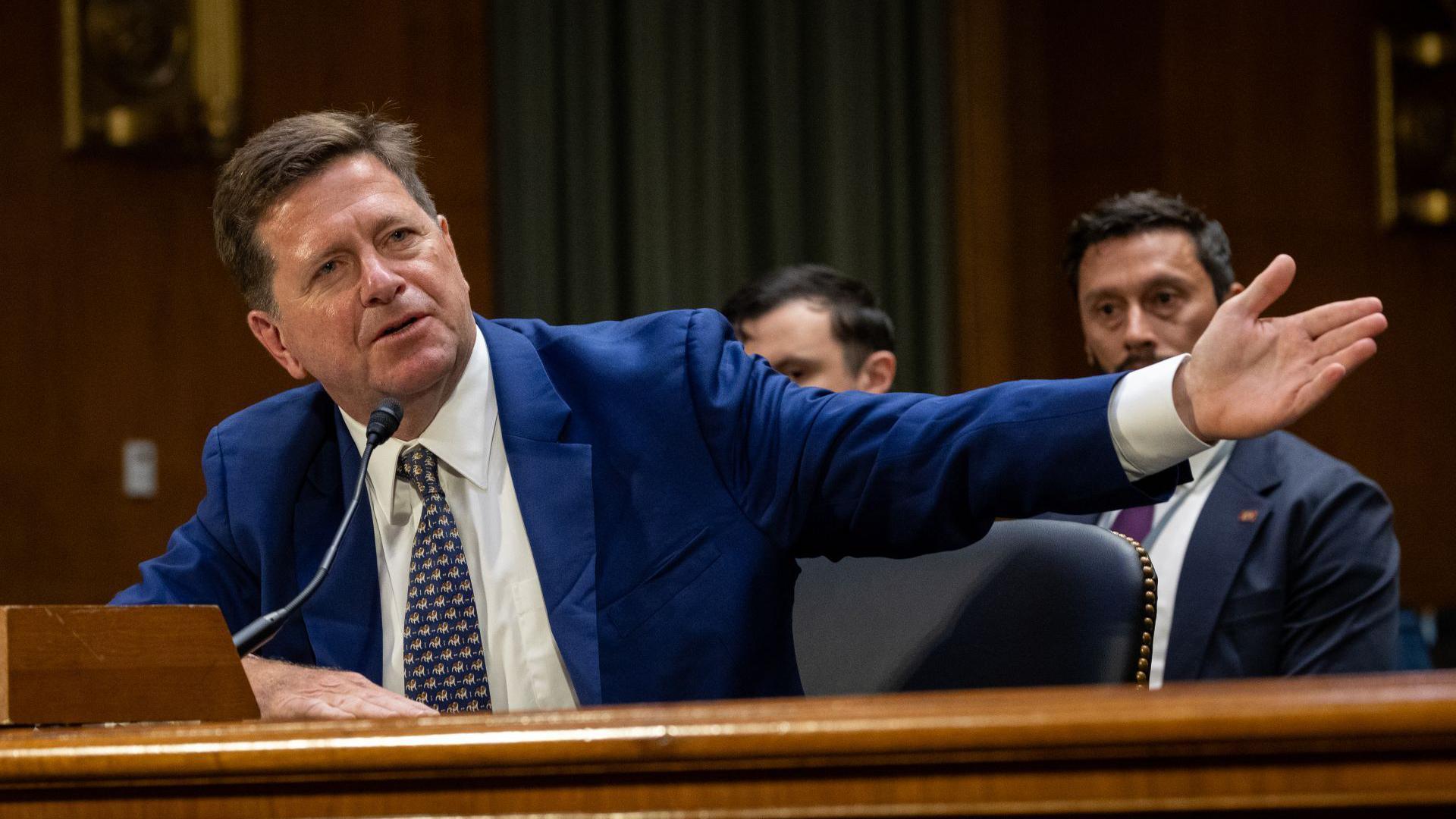
During his Senate Intelligence Committee hearing, Clayton was pressed on the 2020 election “certification” and other partisan questions. While Democrats initially embraced his nomination as a more conventional choice compared to Pulte, their sentiment shifted during the hearing, as the committee’s vice‑chair warned of political pressure.
The new DNI’s confirmation may help solidify leadership within the intelligence community and encourage legislators to resolve contentious issues such as FISA renewal. Senate Majority Leader John Thune reportedly urged that Clayton’s appointment remove obstacles to reauthorizing the surveillance act.