In brief
Japanese Mayor Shoko Kawata became the first official in the country to announce maternity leave, stirring intense online discussion on work‑family balance. Her announcement, set against a backdrop of Japan’s low birth rate, highlighted the lack of legal support for politicians to take leave. Supporters praised her call for a society that lets women work and raise families, while critics accused her of irresponsibility and called for stricter rules. The case has reignited questions about gender representation in local government and the need for systemic change that accommodates parental leave.
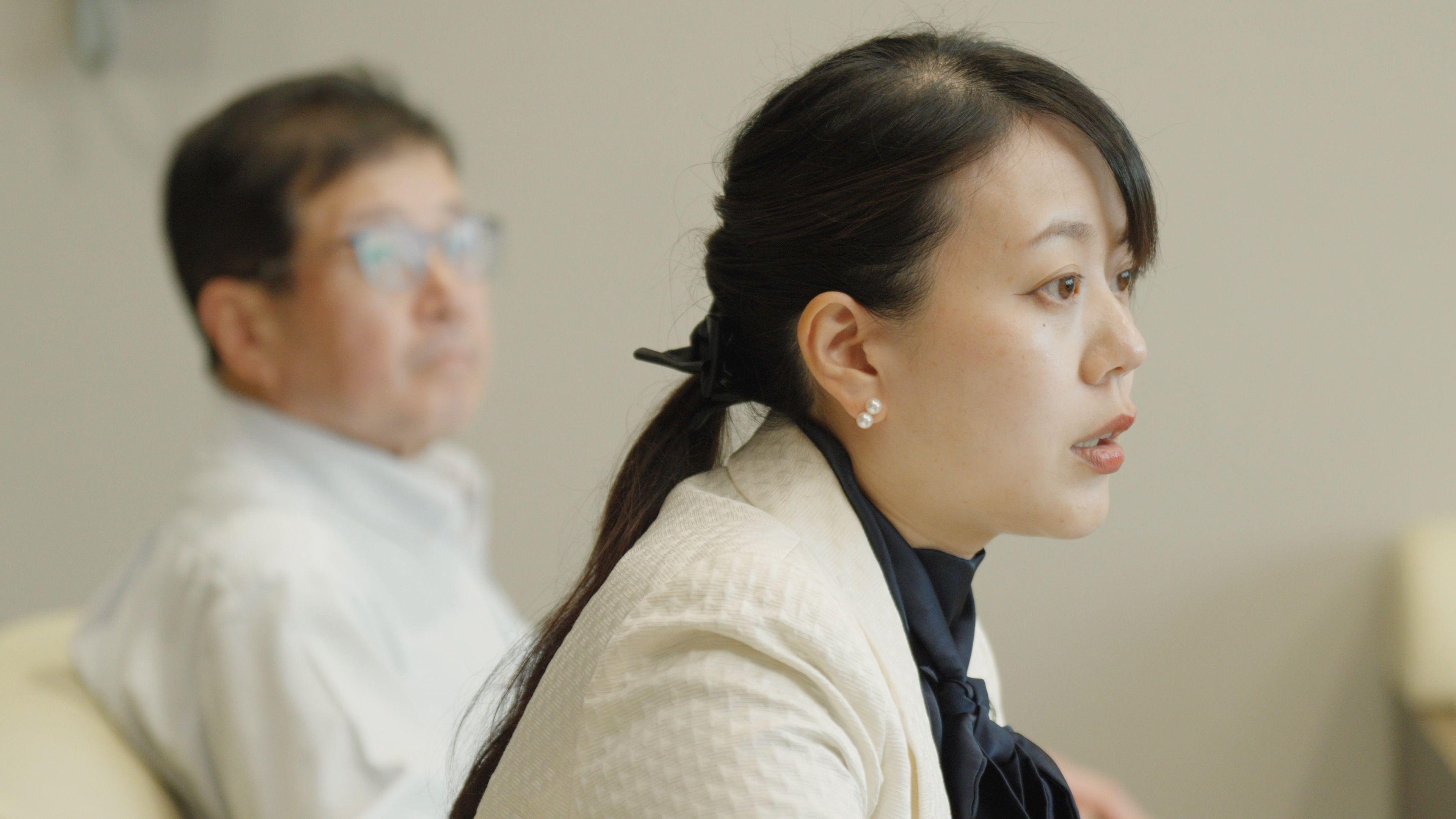
On 2 July 2026 the mayor of Yawata, a town south of Kyoto, shocked Japan by announcing she would take maternity leave. It was the first time an elected official had publicly planned to step away from duties to give birth.
Mayor Shoko Kawata, 35, revealed a four‑month absence: two months before and two months after her late‑September due date. The announcement was met with a sharp division on social media, with thousands of X posts and YouTube videos expressing opposing views.
Many praised her as a role model, arguing that Japan must build a culture where women can pursue careers and families simultaneously. Some argued that a public servant’s primary duty is to citizens, calling for stronger rules or resignation if a politician takes extended leave.
Kawata, who became Japan’s youngest female city mayor at 33, has a background in economics from Kyoto University and has climbed a male‑dominant political ladder. Only 4 % of the country’s 1,720 municipal leaders are women, according to a 2025 Cabinet Office survey citing pregnancy, gender bias and harassment as key barriers.
Despite statutory maternity and parental leave rules in Japan—six weeks pre‑birth, eight weeks post‑birth, and child‑care leave until age one—many officials, including Kawata, do not take them. Her deputy, Shigeto Nose, will perform her duties during her absence and will handle major decisions remotely on a weekly basis.
The public debate highlights Japan’s struggle to increase its birth rate, its low ranking on the World Economic Forum gender‑gap index, and the need to rethink policy so that public office and motherhood can coexist. Kawata hopes the attention around her pregnancy will inspire a shift toward a society where women are not forced to choose between career and family.