In brief
Japan has experienced its first kokushobi, a newly coined term for days when temperatures reach 40°C or more, in the central cities of Tajimi, Gujo and Toyoda. The Japanese Meteorological Agency warned that temperatures will remain extreme into the next week. With nearly 300 sites recording extremities and over 40 prefectures issuing heatstroke alerts, Tokyo reported 287 heat‑stroke cases on Tuesday. The incident follows last year’s record 41.8°C in Isesaki and flags a growing trend of hotter, longer summers.
Japan has recorded its first kokushobi – a term coined by the Japanese Meteorological Agency (JMA) in April to describe days when temperatures climb above 40 °C (104 °F). The blistering heat reached record highs in three central cities: Tajimi, Gujo and Toyoda, all of which reported temperatures above the threshold.
The JMA said the sweltering conditions are expected to continue into next week, underscoring the urgency of the new classification. The agency introduced the category to improve public warnings about dangerously hot weather, following a rise in global heatwaves that have made summers more intense.
Japan’s record temperature last year was 41.8 °C in Isesaki, reflecting a growing trend of extreme heat. The country already uses terms for temperatures above 25 °C, 30 °C and 35 °C – the last of which, known as *moshobi*, is used for “extremely hot days”. The kokushobi label, meaning “cruelly hot”, applies when temperatures exceed 40 °C.
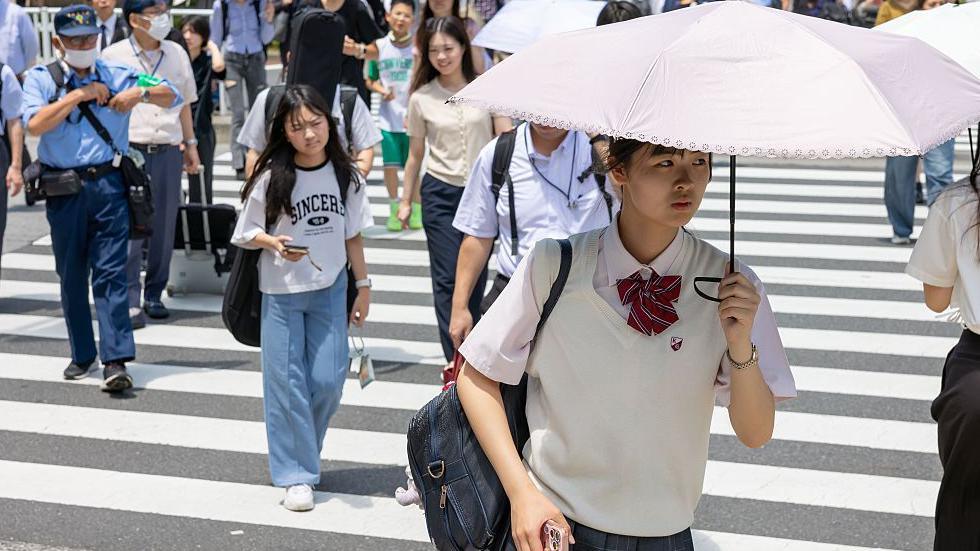
Nearly 300 of Japan’s 914 observation points recorded moshobi on the same day, demonstrating widespread impact. More than 40 prefectures issued heatstroke alerts and advised the public to use air‑conditioners, drink plenty of water, and avoid prolonged outdoor activity.
Tokyo’s Fire Department reported that 287 people – ranging from 3 to 103 years old – were taken to hospitals for heatstroke on Tuesday, marking the highest number this year. The department also issued an ambulance‑overload alert on Wednesday, warning residents to protect themselves from the extreme heat.
A 2024 Kyodo report highlighted 1,803 workplace heatstroke incidents nationwide, with 19 fatalities – a record that underscores the growing health risks of rising temperatures.
In response, the Tokyo government has encouraged office workers to adopt more casual attire, such as T‑shirts and shorts, instead of traditional suits and ties to reduce heat exposure. Further details on new dress code guidance.
The kokushobi announcement coincides with a broader global pattern of hotter, longer heatwaves, prompting authorities worldwide to reassess heat‑stewardship and public safety measures.