In brief
Research finds that while pink fire retardant is crucial in battling wildfires, it poses significant risks due to harmful chemicals it contains, raising environmental and public health concerns.
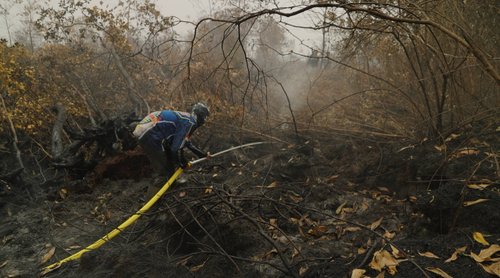
In a critical look at firefighting strategies, firefighters often rely on fire retardant to combat wildfires effectively, notably by utilizing aircraft to drop bright pink chemical mixtures over raging flames. However, this practice has been under scrutiny due to emerging studies indicating that these retardants contain heavy metals and other toxic substances detrimental to both human health and the ecosystem.The growing frequency and ferocity of wildfires, particularly in the western United States, and their connection to climate change, have led to increased usage of these chemical agents. The dilemma is stark: while fire retardants are powerful tools in containing wildfires, they also unleash harmful compounds into the environment each time they are deployed. Critics argue that the effectiveness of fire retardants is challenging to quantify, as they are often used alongside various firefighting methods, making it difficult to measure their specific impact. Post-fire assessment typically lacks clarity surrounding the role of retardants, posing further questions about their overall efficiency.The alarming rise in wildfire smoke exposure has dire health implications; a recent global survey reported a staggering 77 percent increase in exposure in the U.S. since 2002, contributing to severe respiratory and cardiac diseases. Wildfire smoke is also implicated in up to 675,000 premature deaths worldwide each year, highlighting the urgent need for a reassessment of firefighting practices in relation to public health and environmental standards.As wildfires continue to escalate in severity, the dialogue surrounding the use of pink fire retardants is likely to intensify, demanding a balanced approach that prioritizes both effective wildfire management and the safety of communities and ecosystems alike.