In brief
In the hills above Sebastia, Palestinian families have cultivated olive fields for generations while Israel announces plans to confiscate 450 acres for a new national park. The move, aimed at preserving archaeological remains, has been met with anger from residents who see it as an attempt to erase their heritage. UNESCO’s recent designation of Sebastia as a World Heritage Site—and its addition to the Danger List—has amplified calls for inclusive stewardship. Meanwhile, Israeli activists argue that archaeology is being weaponised to legitimize land seizures across the West Bank.
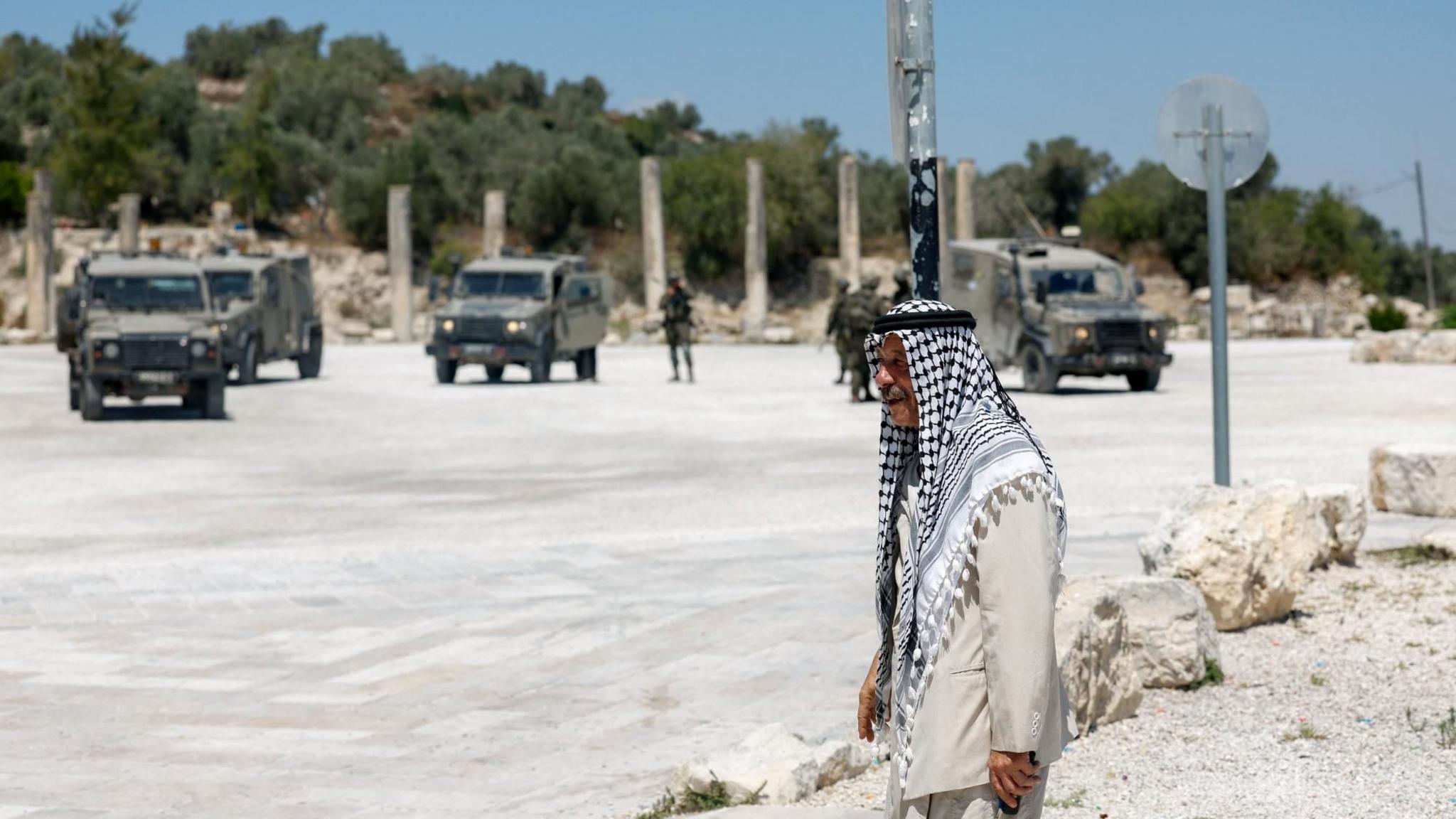
In the hills above the Roman columns of Sebastia, Palestinian families have tended olive groves for generations, turning the land into a living cultural heritage in the occupied West Bank.
Israeli authorities now seek to expropriate about 450 acres of this land, claiming the goal is to protect and develop the site as part of a new national park. Local landowner Abdel Mudif reports that he has received a notice that his property will be taken and that compensation is usually negligible or absent, forcing many to refuse the offer to avoid legitimising the loss of what they consider patrimony.
The plan’s impact goes beyond economics: it limits access to a site that traces back to ancient Jewish, Roman, Crusader and Ottoman periods. Residents such as Nahed Sakha—owner of a nearby restaurant—warn that demolition and new entrances will effectively cut them off from the ruins. Israeli official Gideon Saar dismisses UNESCO’s designation as an attempt to negate historic Jewish ties, claiming the “history cannot be changed by an international organisation.”
Activist Alon Arad of Emek Shaveh argues that archaeology is being used as a pretext to repurpose land for settlement expansion. He claims that similar legislation would transfer control of archaeological sites from the Civil Administration to the Israeli Heritage Ministry, giving it sweeping powers to seize property across the West Bank.
Another contested site is Herodium, where Israel has seized 80 acres for “preservation and development.” Peace Now notes that under international law and Israeli Supreme Court rulings, such expropriation is prohibited unless the site serves both Palestinian and Israeli communities—yet evidence suggests a primary aim of expanding Israeli control.
The UNESCO Committee, listing Sebastia in its World Heritage Danger Catalogue, highlights the risk that Palestinian residents have lost “a connection to the ruins.” Cities and villages like Sebastia, lying between Area B and Area C, fear that their collective memory of the ancient past will vanish.
If the proposed law to grant the Israeli Heritage Ministry authority over archaeological sites passes, it would formalise the pattern of using cultural heritage to underpin land seizures. Palestinian authorities and civil society now call for a stewardship model that balances scientific preservation with the rights of local communities.