In brief
In the wake of air‑strikes that killed Iran’s former supreme leader, the country has seen a shift to a younger, pragmatic leadership. Mojtaba Khamenei and a new generation of officials are re‑ordering Iran’s internal priorities and reevaluating its stance toward the U.S. and Israel. While the war rages on, Iran is showing both resilience and a willingness to engage in diplomatic negotiations, offering the prospects of sanctions relief and a new social contract. Yet the nation faces sharp domestic opposition and growing skepticism about whether these changes will translate into genuine freedom and prosperity.
In the months that followed the devastating air‑strikes which ended a 12‑day conflict at the wrists of the U.S. and Israel, Iran was hit twice – first by the loss of its long‑time supreme leader, Ayatollah Ali Khamenei, and then by the explosive realities of a war that stretched across the Gulf and the Middle East.
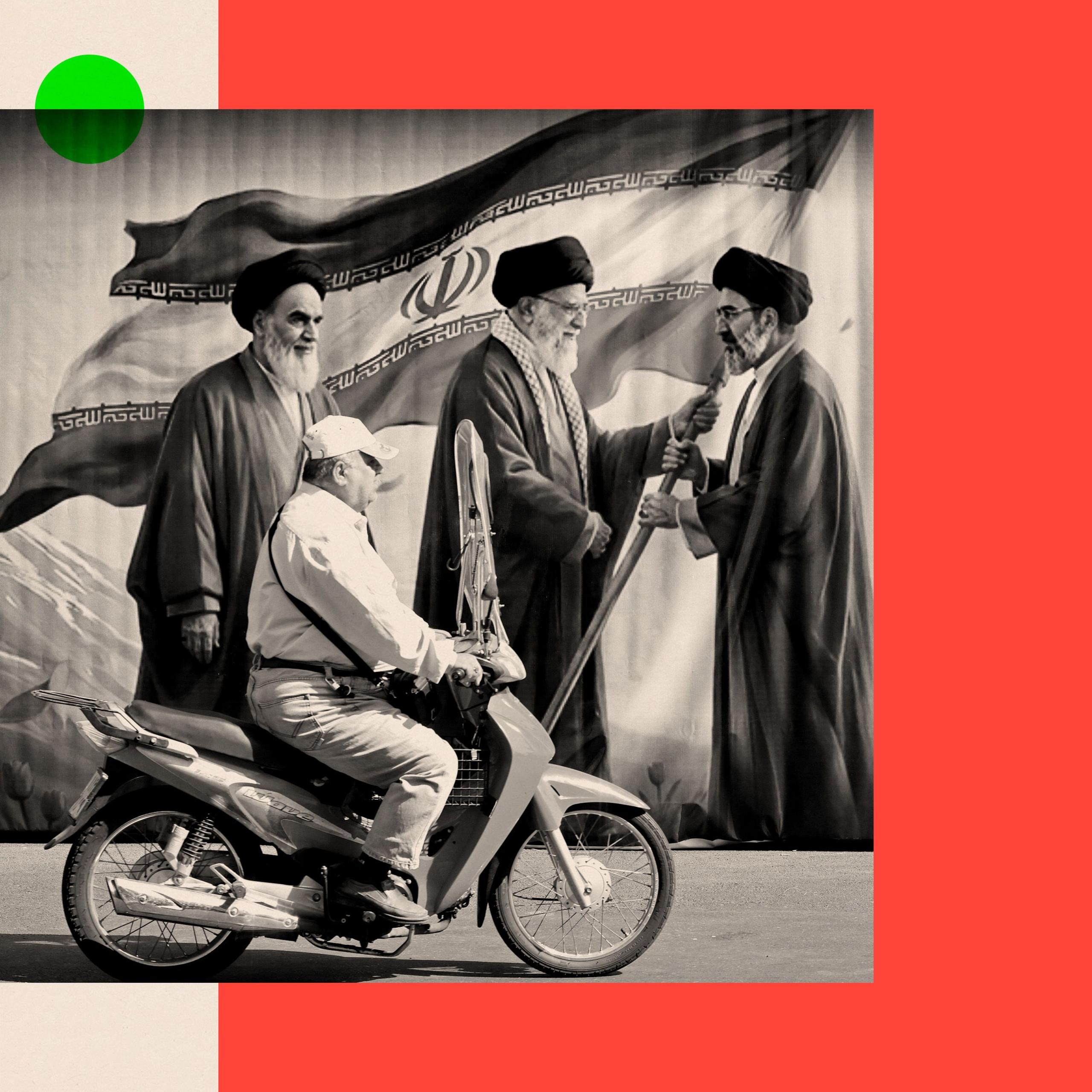
The death of the Khamenei who had ruled since 1989 has ushered in a younger, more decisive leadership. The new supreme leader, Mojtaba Khamenei, with his 30‑year younger age, is a product of a generation that rejected the era of “no war, no peace” and now attempts to manage both conflict and recovery. Alongside him, the Revolutionary Guard’s commander Ahmad Vahidi and Parliament speaker Mohammad Bagher Ghalibaf hold sway over the political grid.
While Tehran continues to launch drone and missile strikes against U.S. bases across the region – a stark signal that the regime still prioritises deterrence – it has also stepped to the negotiating table. The Memorandum of Understanding signed in Cannes was a first straw. In the short passing of 60 days, Iran has already seen the reversal of sanctions on crude oil exports, and broader economic relief awaits once a final agreement is hammered out.
Domestically the picture is complex. After the brutal protests of January that saw thousands crushed under military fire, many Iranians feel their voices still echo nowhere. Yet signs of softening appear – the hijab is no longer mandated outside state offices, normative drinking is loosening, and street protests that once triggered fear now seem to move toward a call for reform. The new leadership appears ready to rationalise privileges and re‑engage a generation that grew up under a revolution more than four decades old.
Beyond the battlefield, a new diplomatic window opens. Saudi Arabia is preparing a reconciliation summit, and Gulf states are questioning whether the U.S. military umbrella still suffices. If the negotiators deliver a credible social contract, Iran may begin a slow climb toward the center of the Middle‑East's new chessboard. Whether their pragmatism will birth lasting reforms, however, remains in a state of uncertainty and closely co‑dependent on external pressures and internal living costs.