Nearly three weeks into one of the most extreme internet shutdowns in history, some of Iran's 92 million citizens are beginning to get back online - but access appears to be tightly controlled. The country cut off internet access on January 8, widely perceived as a move to quell information regarding a governmental crackdown on protestors. Iranian officials, including Foreign Minister Abbas Araghchi, cited 'terrorist operations' as justification for the shutdown.
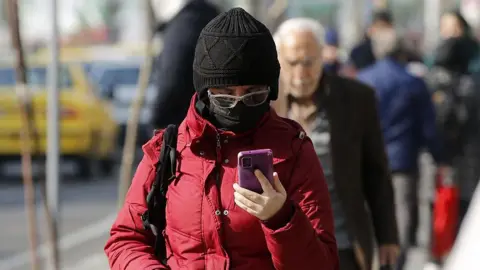
Recent observations indicate a partial restoration of internet access, although independent analyses reveal that much of the nation remains disconnected from global networks. Reports from Iran's reformist Shargh newspaper and monitoring firms suggest that while some users can connect, many do so intermittently and often after repeated attempts. Doug Madory, director of internet analysis at Kentik, noted the situation does not reflect a return to normalcy, as access to major platforms fluctuates throughout the day.
With human rights organizations stressing the importance of unfettered internet access in providing information about government actions, NetBlocks and others confirm similar findings. There are indications that authorities might be testing a new system to regulate web traffic more stringently.
As the crisis continues, the financial impact of the shutdown has also become apparent. Iran's Minister of Communications reported daily losses nearing five trillion tomans ($35 million). Authorities are implementing highly regulated internet access for select businesses, allowing only minimal unfiltered connectivity under strict supervision and extensive identity verification.
As unrest persists, analysts warn that these restrictions could lead to a more digitally isolated Iran, ultimately limiting freedom of expression and access to information.
Recent observations indicate a partial restoration of internet access, although independent analyses reveal that much of the nation remains disconnected from global networks. Reports from Iran's reformist Shargh newspaper and monitoring firms suggest that while some users can connect, many do so intermittently and often after repeated attempts. Doug Madory, director of internet analysis at Kentik, noted the situation does not reflect a return to normalcy, as access to major platforms fluctuates throughout the day.
With human rights organizations stressing the importance of unfettered internet access in providing information about government actions, NetBlocks and others confirm similar findings. There are indications that authorities might be testing a new system to regulate web traffic more stringently.
As the crisis continues, the financial impact of the shutdown has also become apparent. Iran's Minister of Communications reported daily losses nearing five trillion tomans ($35 million). Authorities are implementing highly regulated internet access for select businesses, allowing only minimal unfiltered connectivity under strict supervision and extensive identity verification.
As unrest persists, analysts warn that these restrictions could lead to a more digitally isolated Iran, ultimately limiting freedom of expression and access to information.